-
Climate change scenarios for New Zealand
Research ProjectProjections of how climate change is likely to affect New Zealand. -

Cropping activities
The land used to produce crops is usually flat to gently rolling so it can be tilled, sowed, and harvested. -
Sediment and forestry
How may forestry activities increase sediments in waterways? -
HIRDSv4 Usage
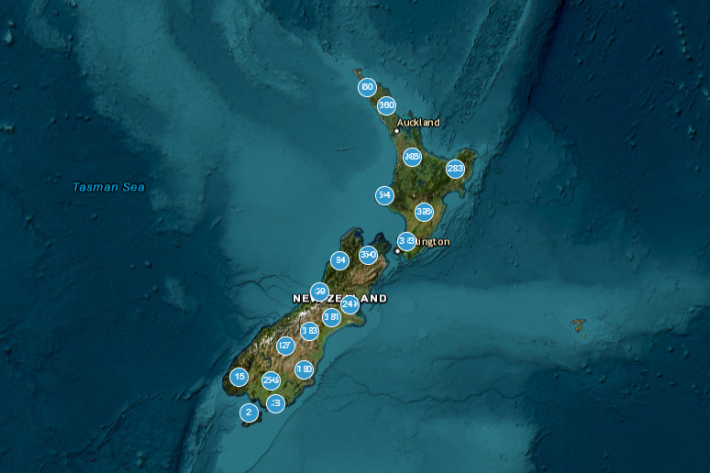
ESNZ's High Intensity Rainfall Design System (HIRDS) offers planners and engineers more certainty about the frequency of high-intensity rainfall events, enabling them to better design stormwater drainage, flood defence systems and other vital structures. -
Climate stations and instruments
We can supply a wide range of weather or climate monitoring instruments from single parameter sensors to fully equipped and installed climate stations. -
Mussels: more, fresher, better
Feature story06 June 2017The seafood counter at your local supermarket has changed. -
Work-life balance
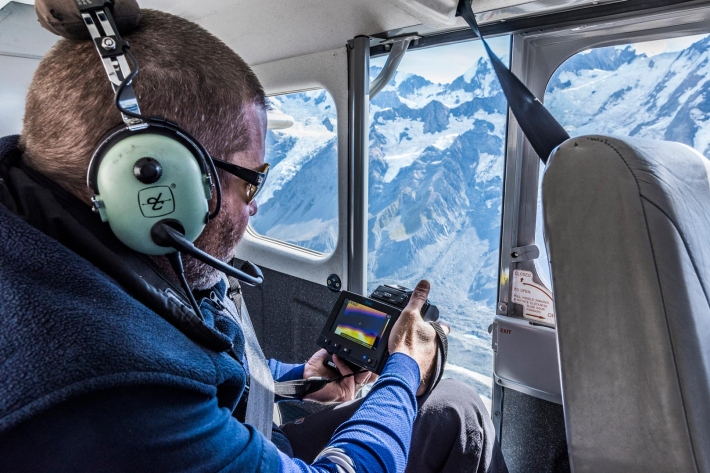
We recognise that there's so much more to life than just work! -
Our management
NIWA is managed by an Executive Team reporting to the Chief Executive Officer. Science and operational matters are handled by two sub-groups.