-
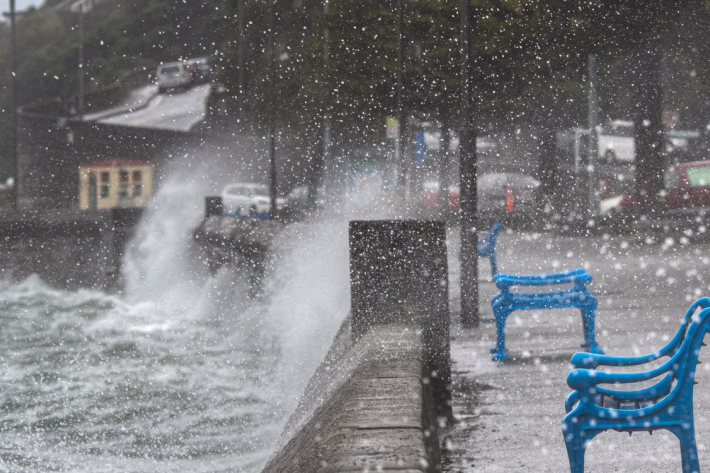
High Intensity Rainfall Design System (HIRDS)
ServiceHIRDS is a simple online tool that can estimate the magnitude and frequency of high intensity rainfall at any point in New Zealand. -
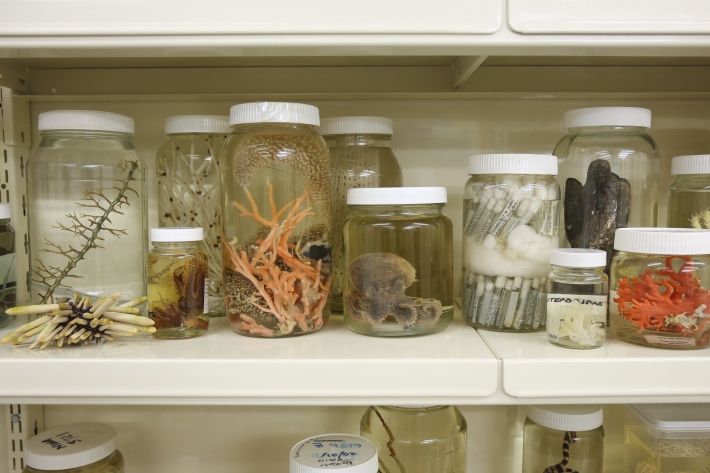
Earth Sciences New Zealand Invertebrate Collection
Software Tool/ResourceThe Earth Sciences New Zealand (formerly NIWA) Invertebrate Collection (NIC) holds specimens from almost all invertebrate phyla. This is a result of about half a century of marine taxonomic and biodiversity research in the New Zealand region, the South West Pacific and the Ross Sea, Antarctica. -

Nowcasting and short-to-medium range forecasting for solar and wind energy
Research ProjectScaling up of solar and wind power is essential for Aotearoa New Zealand to become carbon neutral by 2050 -
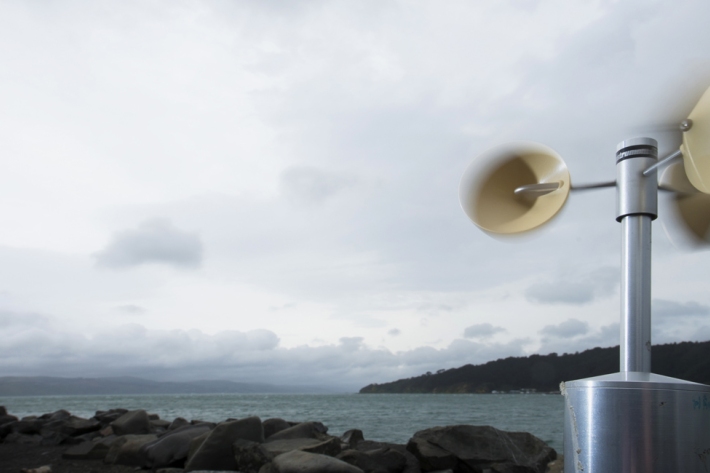
National Climate Database
Software Tool/ResourceDataHub is an interface that provides access to New Zealand's National Climate Database. -
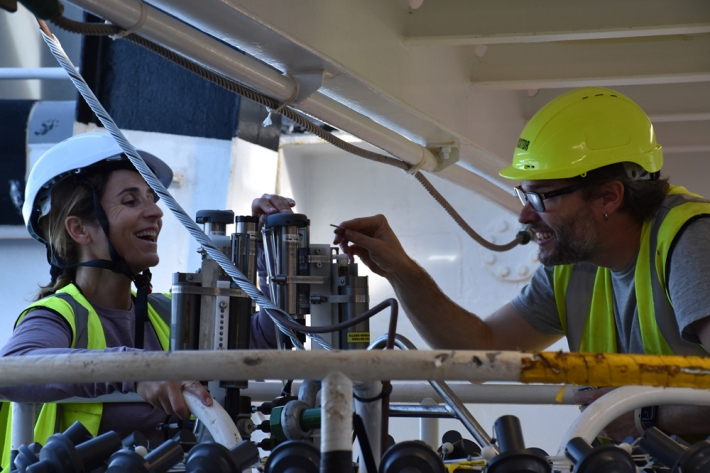
Twenty thousand leagues under the sea: Uncovering mysteries of the deep ocean
Media release27 June 2023Scientists have returned from a 14-day expedition to one of the most unexplored parts of the ocean. -
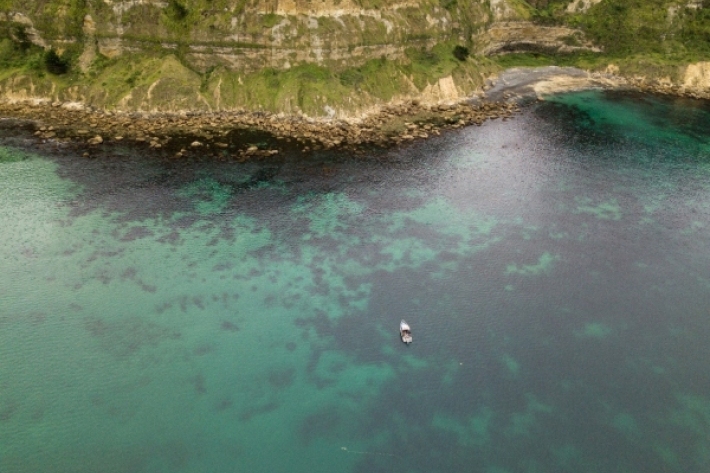
Responding to and preparing for extreme weather events
Research ProjectFollowing extreme weather events in 2023, NIWA reprioritised research to help affected communities recover and prepare for the future. -

Vessels
Our vessels are world-class environmental monitoring and research platforms. -
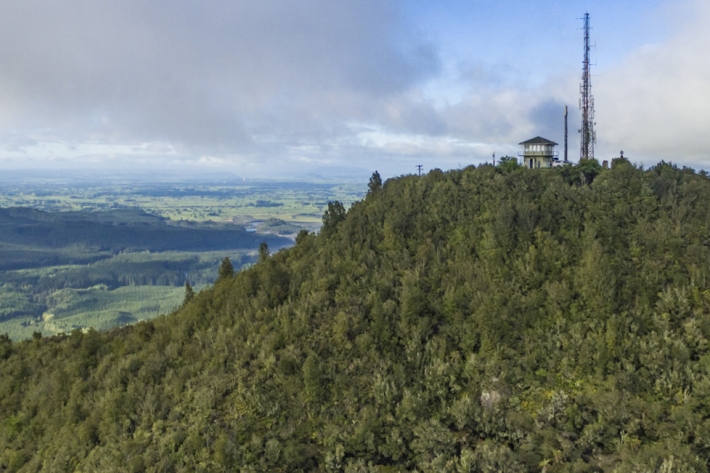
CarbonWatch NZ
CarbonWatch NZ is an internationally-recognised research programme that will enable New Zealand to make the right decisions for a zero carbon future. -

Tonga eruption and tsunami shock the world
The Hunga-Tonga Hunga-Ha'apai volcano generated the biggest atmospheric explosion recorded on Earth in more than 100 years. -
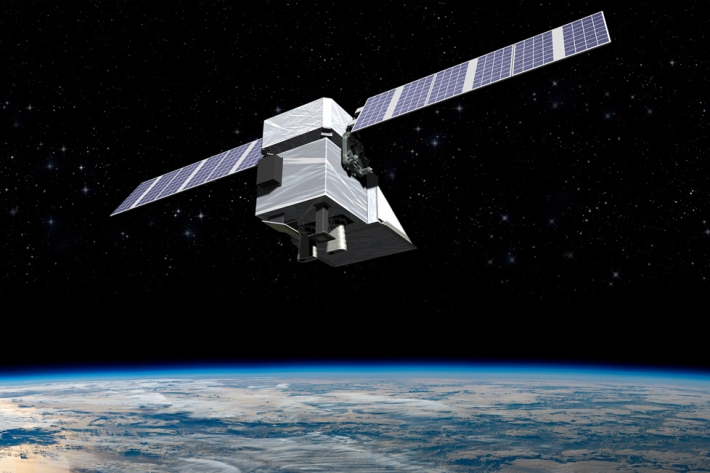
MethaneSAT
Research ProjectDetecting and quantifying methane emissions by satellite -
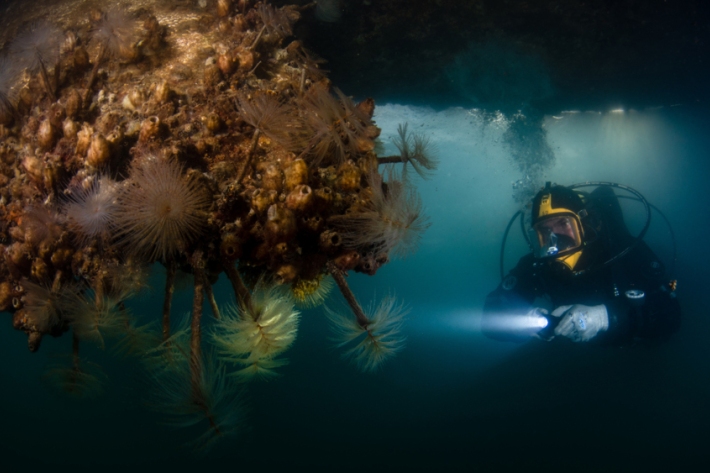
Marine biosecurity
ServiceIntroduced pests and diseases can harm the health of Aotearoa New Zealand's marine ecosystems, our seafood industry, and the social and cultural benefits that we derive from the sea. -
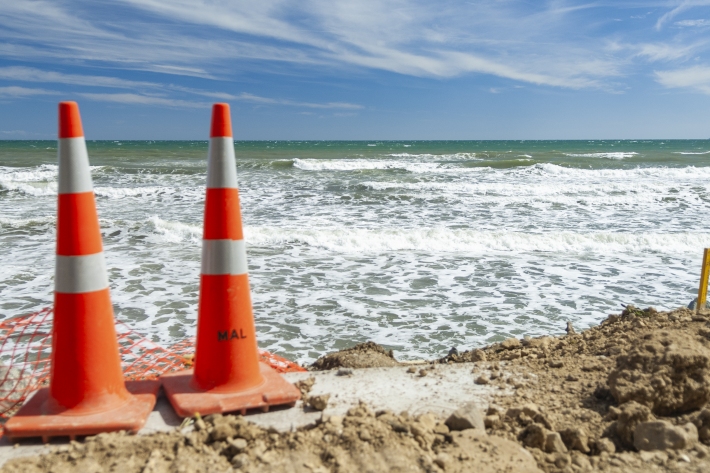
Extreme coastal flood maps for Aotearoa New Zealand
ServiceDecisions about how we adapt to sea-level rise need to be based on information about our exposure to coastal flooding.