-
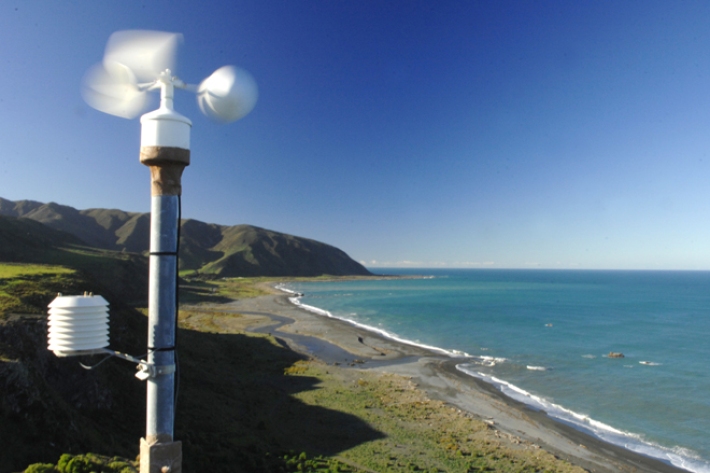
Instruments
ServiceFind out more about NIWA Instruments Systems -

Climate extremes
Hottest, coldest, wettest, driest, sunniest, windiest...which places hold the record for climate extremes in NZ? -
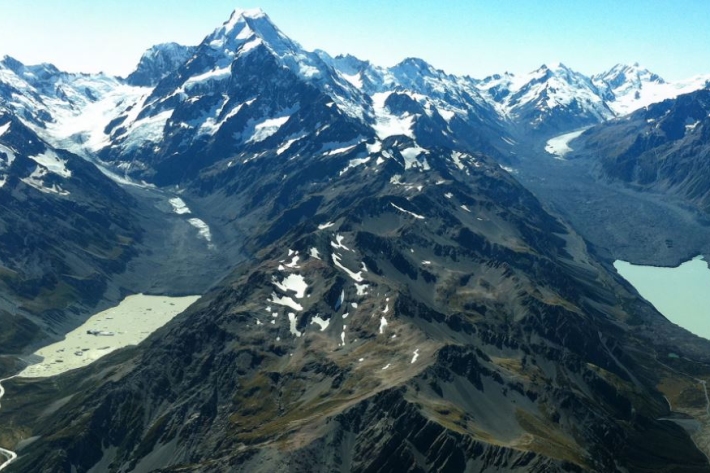
Climate Observations
Research ProjectClimate Observations is a core-funded project under our Future Climate Flagship Programme. Our work explores recent instrumental data, historical observations and natural archives to track variability and changes in climate. -

Online services
ServiceNIWA provides online access to major climate and environmental monitoring systems, databases and forecasting tools. -
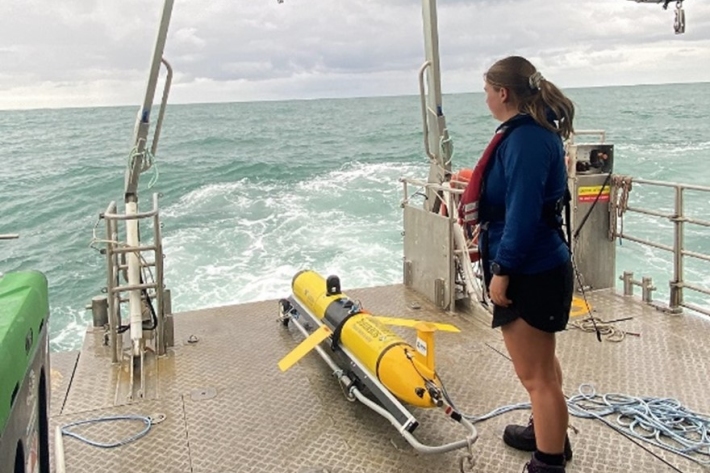
Ocean gliders
ServiceUsing a novel observational platform – ocean gliders—this research will observe and understand subsurface variations in temperature, salinity, oxygen and biological factors in water shallower than 200 metres – what we consider to be the shelf seas. -
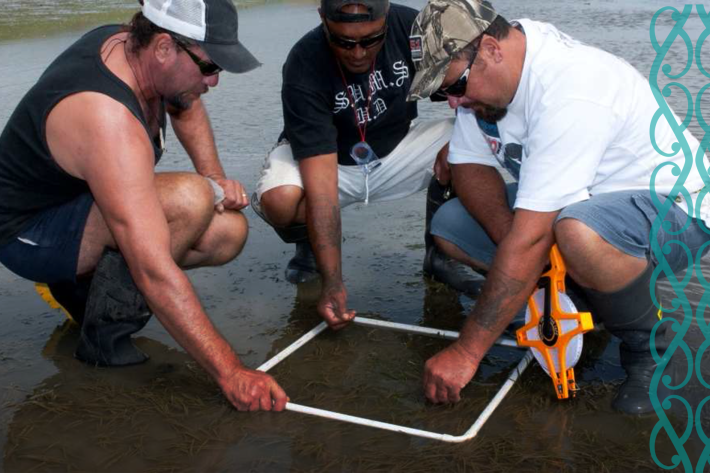
Ngā Waihotanga Iho - The Estuary Monitoring Toolkit
Software Tool/ResourceThe main purpose of Ngā Waihotanga Iho is to provide tools for the public to measure environmental changes that occur in estuaries over time. These changes may occur due to natural processes and/or human activities. -
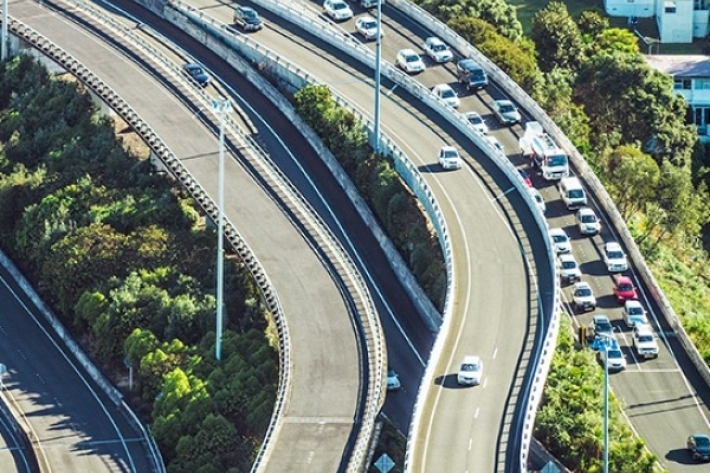
Traffic emissions mapping - black carbon and nitrogen dioxide
Research ProjectBlack carbon, commonly known as soot, is made of microscopic particles generated by incomplete combustion. -

Aquaculture nutrition
ServiceNutrition underpins the performance of fish stocks in terms of health, growth (production) and reproduction. -
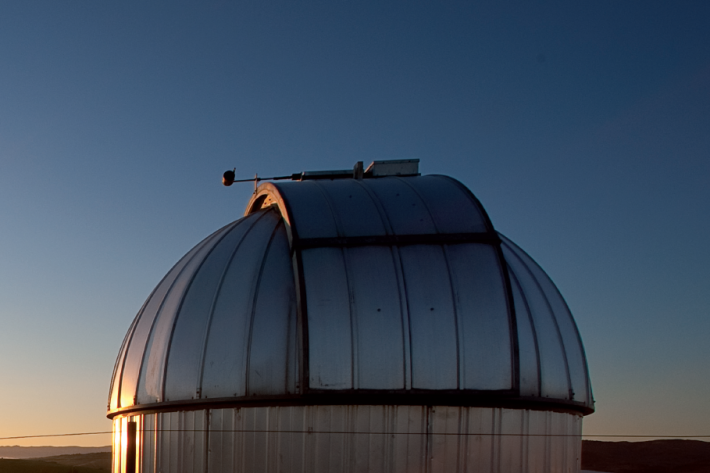
Total Carbon Column Observing Network
Research ProjectNIWA participates in the Total Carbon Column Observing Network, a ground-based observing network dedicated to making precise and accurate measurements of greenhouse gas concentrations in different parts of the atmosphere. -

Aquaculture Reproduction
ServiceOne of NIWA's core areas of research and consultancy services are the broodstock development of aquaculture species and breeding strategy. -
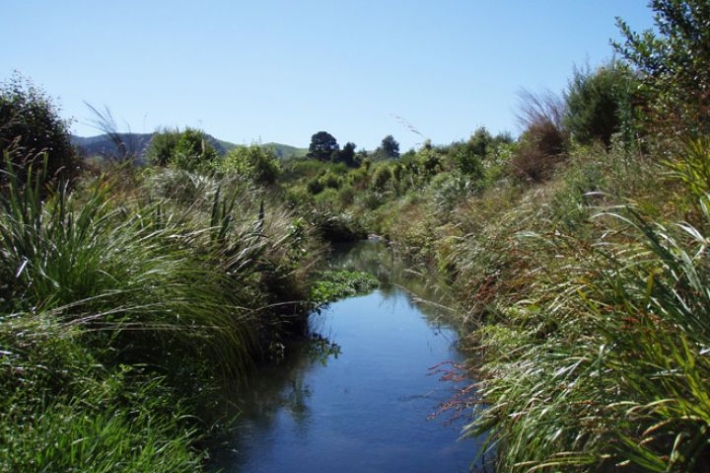
Restoration of aquatic ecosystems
Research ProjectThis project aims to increase our knowledge of aquatic ecosystems and their restoration, and apply this to degraded streams, rivers, lakes and estuaries.