-

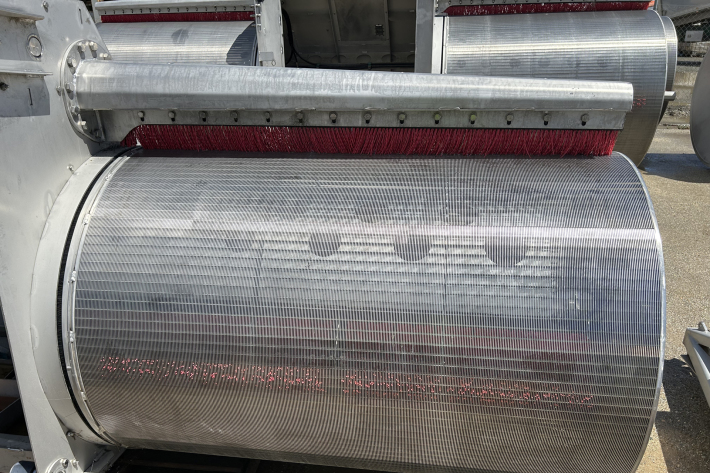
Fish screening: fish-led design
Effective fish screen facilities work with fish behaviour, not against it -
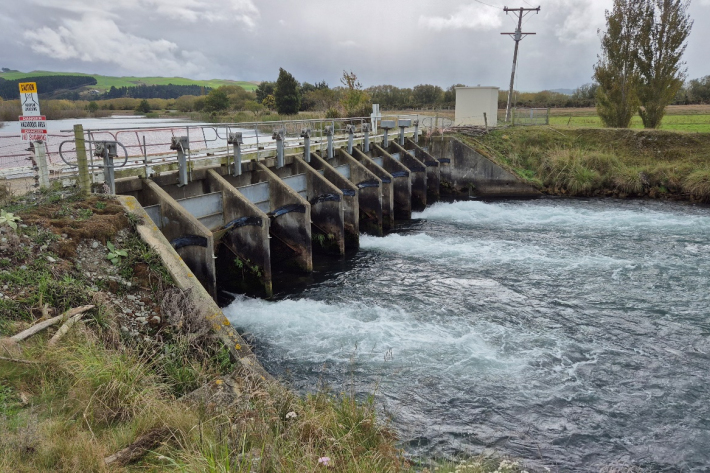
Fish screening
Research ProjectGuidance for enhanced fish protection around irrigation water intakes designed to safely direct fish past the intake. -
How serious games are providing a constructive space to plan for adaptation
Adaptation simulations and serious games build the capacity of participants and facilitate meaningful, sometimes challenging, conversations. -
How different economic tools inform adaptation in Aotearoa’s coastal lowlands
How Aotearoa New Zealand’s coastal lowland systems respond to sea‑level rise & what adaptation options may be effective. -
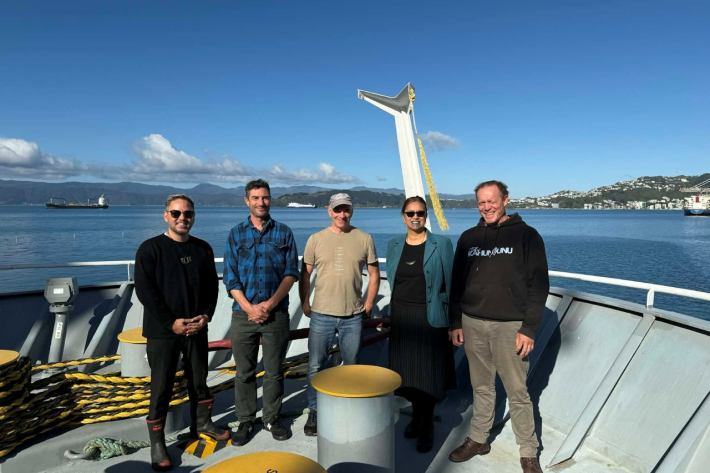
Mihi whakatau/wananga and karakia to launch fieldwork on Ocean Alkalinity
Blog12 May 2026A mihi whakatau and wananga were held at Mana Ahuriri Trust headquarters in Ahuriri Napier on 11th May as part of the “Catching Marine Carbon” programme (NIWA project END25304). -
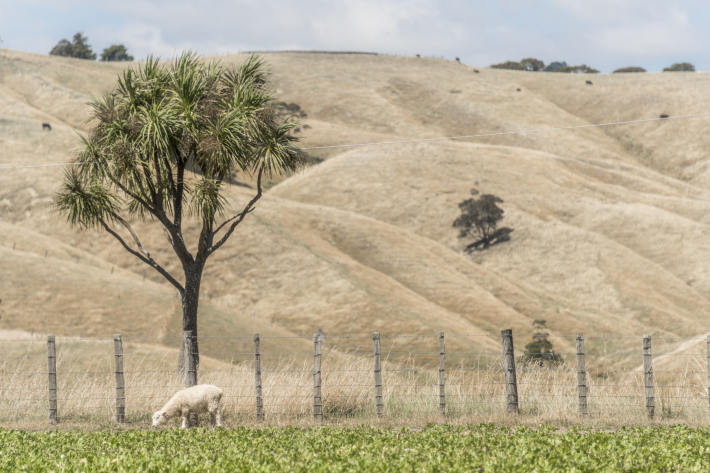
Formidable El Niño expected to arrive this winter
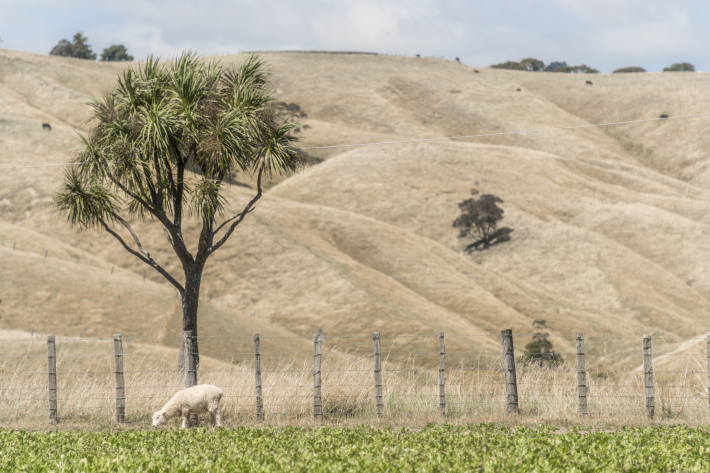
News article29 April 2026Global climate models are now showing a clear consensus for an El Niño event to arrive this winter. -
From our forecasters: Winter 2026 may see the start of a formidable El Niño event
La Niña has only just ended, but already we are anticipating a potentially rapid flip to its opposite phase – El Niño. -
Hotspot Watch 23 April 2026
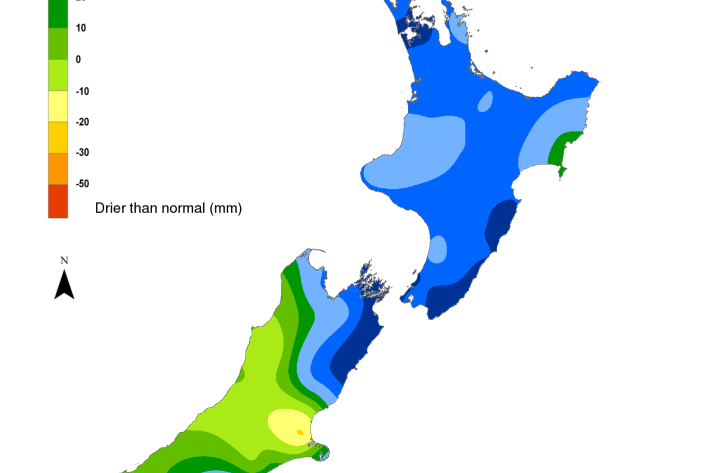
Hotspot23 April 2026This is the final Hotspot Watch update for this season. The Hotspot Watch will return during spring 2026. -
Launch of new MBIE research programme – “Catching Marine Carbon”
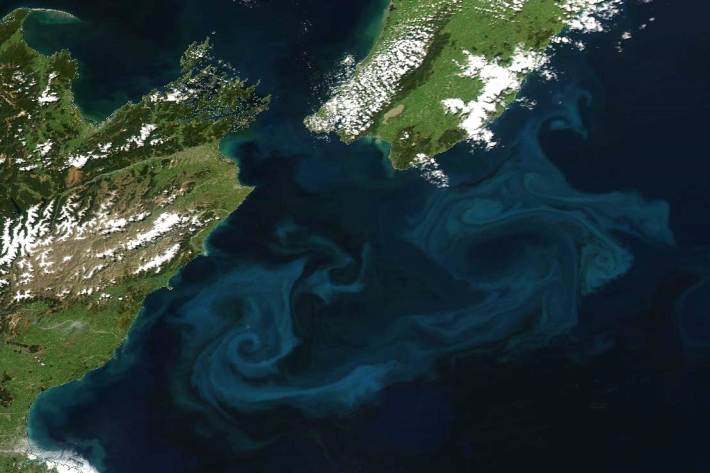
Blog22 April 2026The kick-off meeting for the new $11M 5-year MBIE Endeavour Research Programme “Catching Marine Carbon: Testing Ocean Solutions for Climate Mitigation using Natural Analogues” (NIWA project END25304) was held at Greta Point on 22nd April. -
Hotspot Watch 17 April 2026
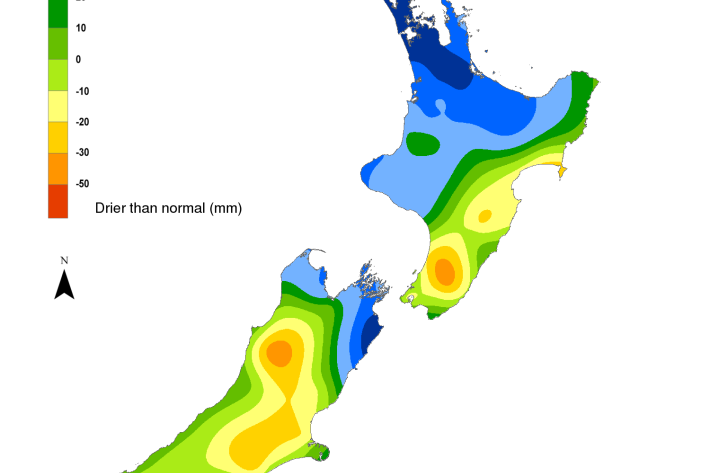
Hotspot17 April 2026A weekly update describing soil moisture patterns across the country to show where dry to extremely dry conditions are occurring or imminent. -
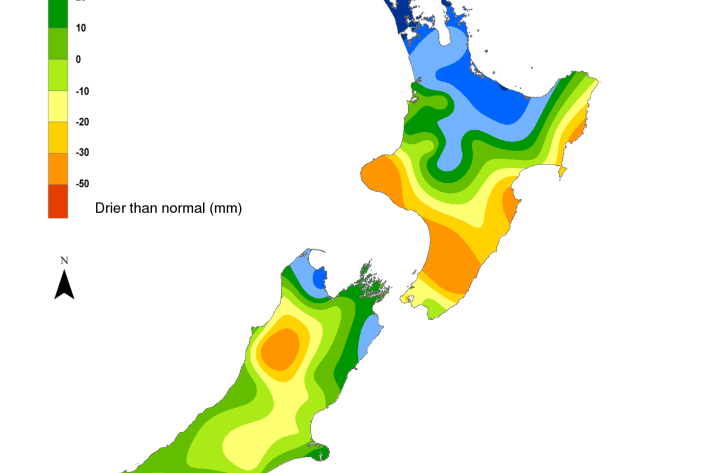
Hotspot Watch 10 April 2026
Hotspot10 April 2026A weekly update describing soil moisture patterns across the country to show where dry to extremely dry conditions are occurring or imminent.