-

TAN2502 voyage update – 28 January 2025
Media contentThe latest update from TAN2502 Ross Sea RV Tangaroa “ACTUATE” Voyage -

TAN2502 voyage update - 24 January 2025
The latest update from TAN2502 Ross Sea RV Tangaroa “ACTUATE” Voyage -

TAN2502 voyage update - 20 January 2025
The latest update from TAN2502 Ross Sea RV Tangaroa “ACTUATE” Voyage -
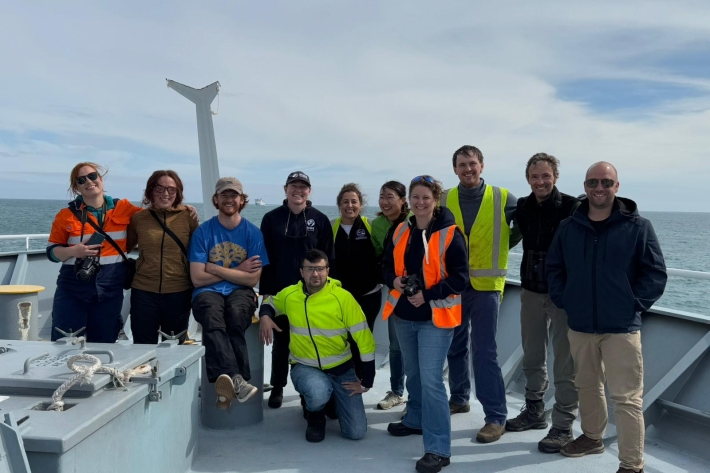
TAN2502 voyage update - 17 January 2025
The latest update from TAN2502 Ross Sea RV Tangaroa “ACTUATE” Voyage -
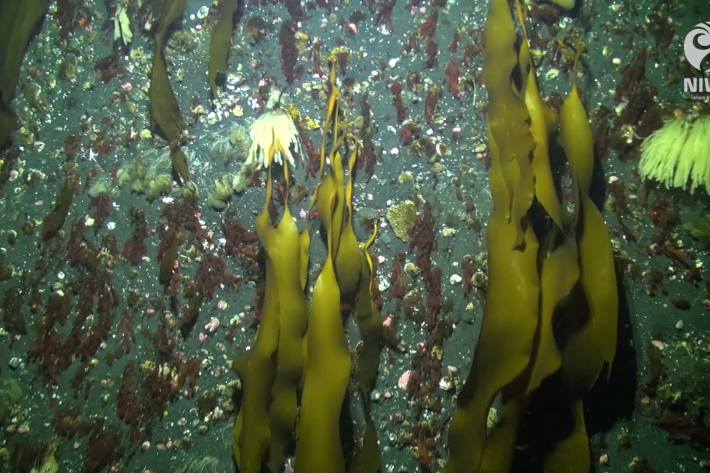
Antarctica likely a carbon storage powerhouse
Media release20 May 2024Antarctica is probably storing much more carbon than previously thought, according to NIWA. -
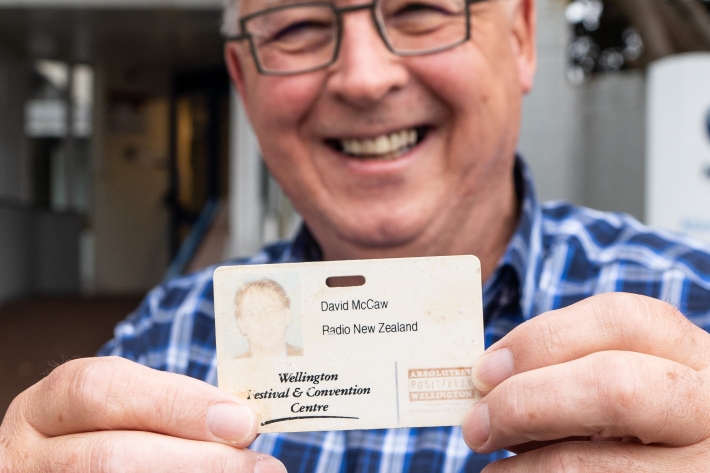
The curious case of a lost security card
Media release24 April 2024In 2016, NIWA technician Rod Budd is doing a routine dive under the Antarctic ice at Cape Evans, studying the creatures that live there. -
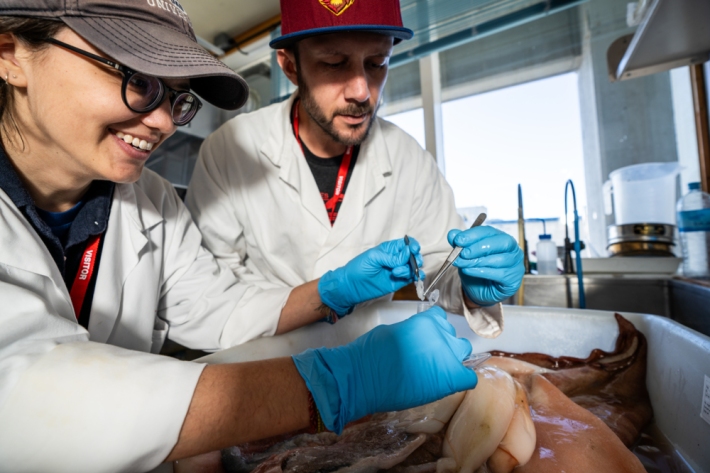
Fascinating finds from NIWA’s annual squid survey
Media release31 July 2023Earlier this month, NIWA welcomed the Auckland University of Technology ‘Squid Squad’ – a team of scientists from the Lab for Cephalopod Ecology and Systematics – to unbox and categorise cephalopod species taken from voyages around the country. -
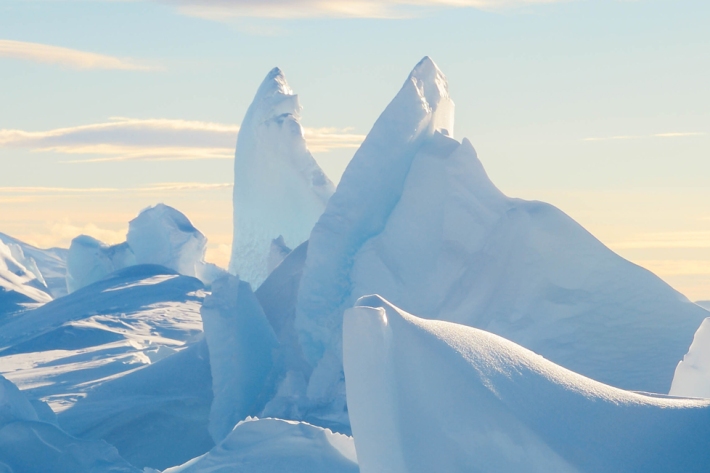
Antarctica and the climate
Education ResourceThis icy continent plays a big part in our global climate and, in turn, is directly affected by changes to the global climate – making Antarctica and the climate inextricably linked. -
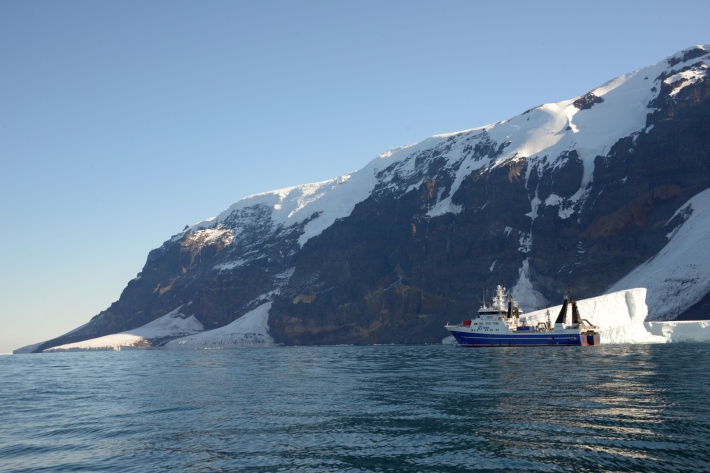
Record low sea ice levels mixed bag for Antarctic voyage
Media release23 February 2023Scientists from the National Institute of Water and Atmospheric Research (NIWA) have returned from a six-week voyage to Antarctica. -
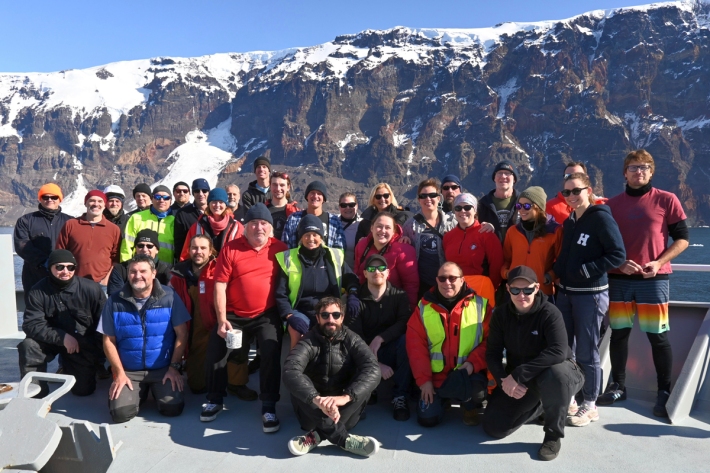
TAN2302 voyage update - 20 February 2023
We are happily heading back from a highly successful trip to the frozen continent knowing that the data from this voyage will contribute to a broad body of science critically important to understanding the Ross Sea ecosystem and the impacts of climate change. -
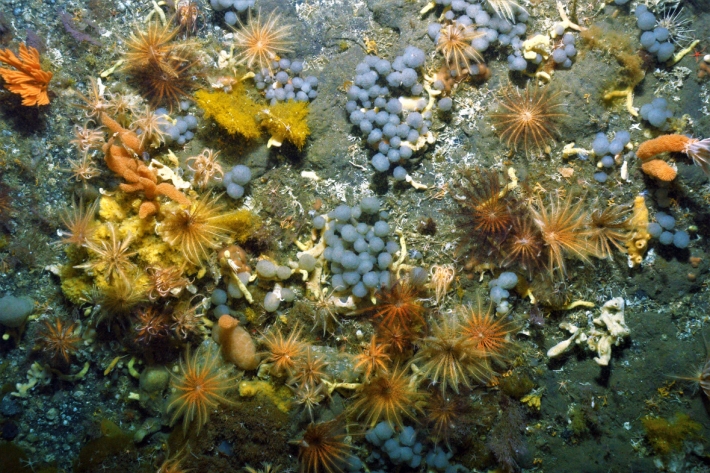
TAN2302 Voyage update 1
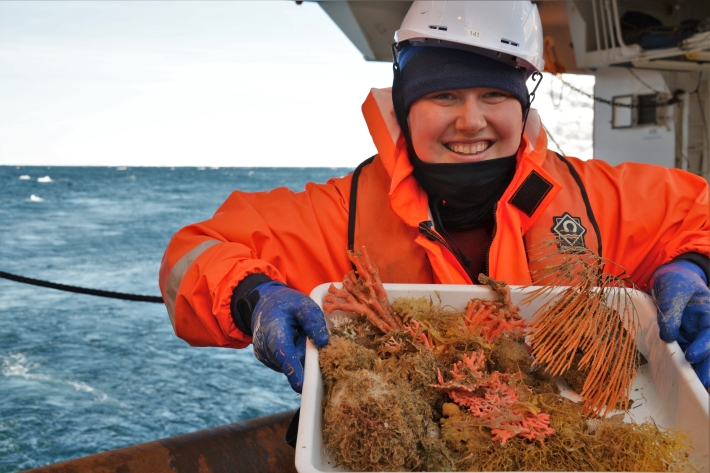
One of our main tasks for this voyage is to better understand the geographic distribution - biogeography - of Antarctic organisms in the western Ross Sea, from the frozen coast out onto the continental shelf at 500m deep. -
TAN2302 voyage update - 10 February 2023
We have now visited 23 separate sites in these coastal areas, albeit some of them very close together. Every time we visit a new site, we first need to map the seafloor as we are working in unchartered coastal waters.