-
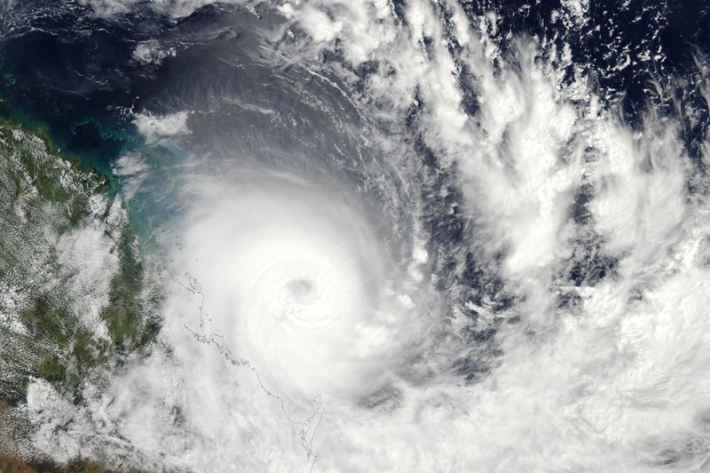
Storms and cyclones
Education ResourceCommon questions about storms and cyclones in New Zealand. -
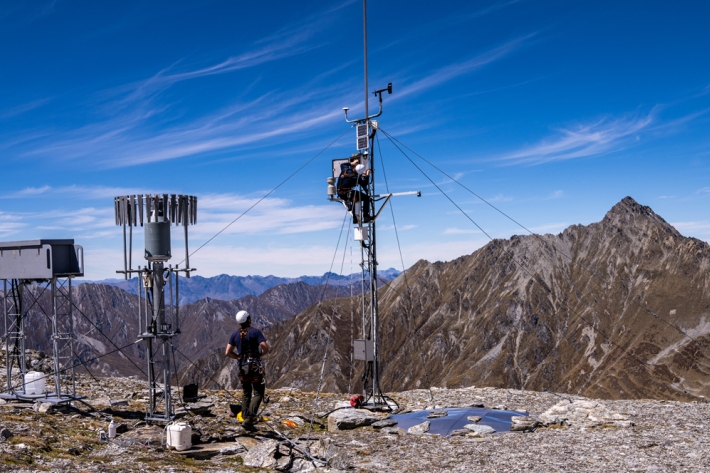
Statement of Corporate Intent
This Statement of Corporate Intent (SCI) sets out NIWA's strategy for delivering against its core purpose over the next five years. -
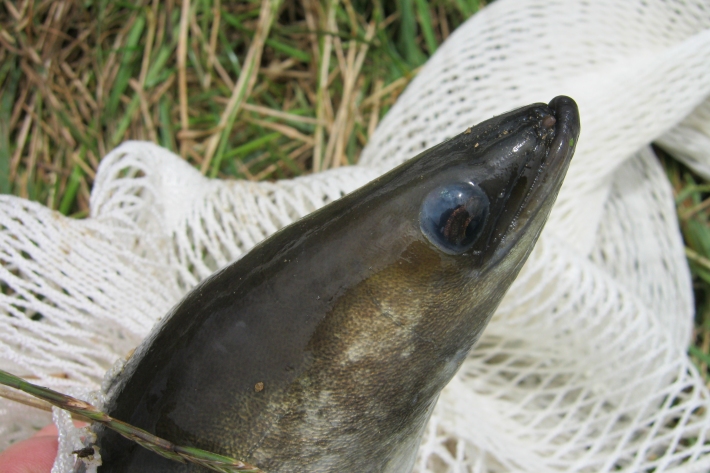
Tuna information resource
Tuna, or freshwater eels, are the most widespread freshwater fish in New Zealand. This 'living' educational resource summarises a large amount of scientific and technical literature. -

Coming from overseas?
If you're moving to join us here at NIWA, we want to say thanks for choosing us by helping you with your big move. -
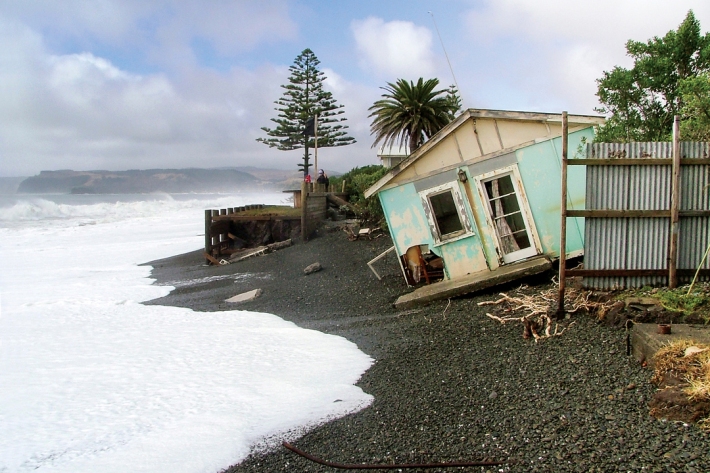
Sea-level rise
Education ResourceOne of the major consequences of climate change is rising global sea levels. -

Horticultural activities
Land is tilled, sowed, and harvested for horticultural crops to grow. -
How cold is the Antarctic?
Write a report, with guided questions, to answer the question: “How cold is the Antarctic?” -
Tuna aquaculture - New Zealand
New Zealand's first eel farm was established in 1971. Despite other farms opening in later years, no eel farms remained by the start of the 1980s. -
13 Beach types
Learn about different kinds of beachs and how they form, with diagrams and examples of each type. -
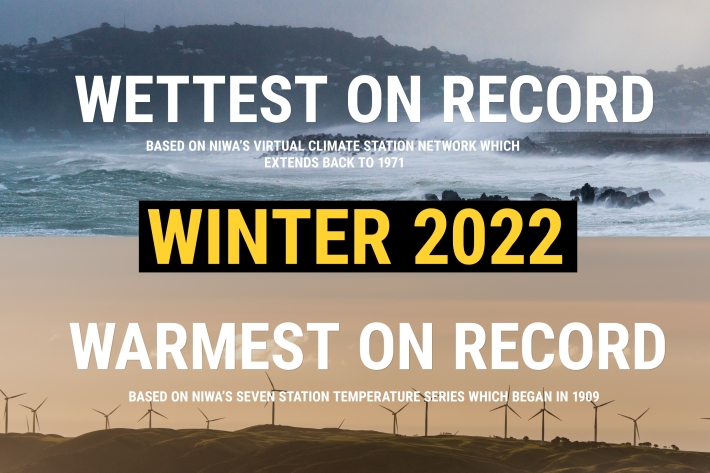
NZ's warmest and wettest winter on record
Media release06 June 2017NIWA’s climate scientists can now confirm what you may have suspected. After carefully poring through more than a century’s worth of data, it has been officially determined that winter 2022 was Aotearoa New Zealand’s warmest and wettest on record.