-
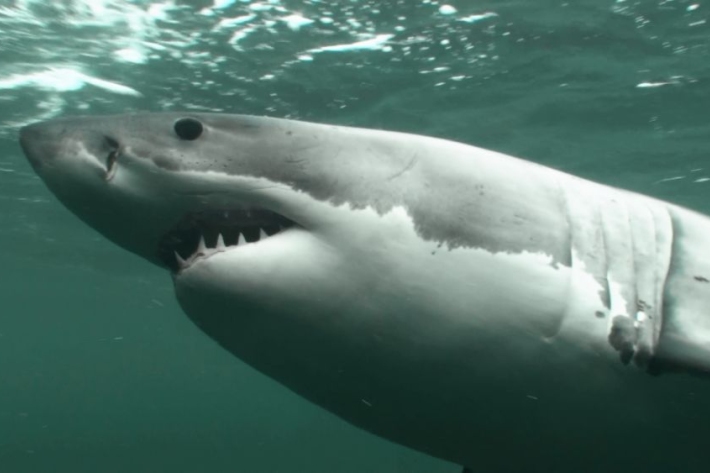
White sharks
Research ProjectWhere and when do white sharks occur in New Zealand waters, and how can fisheries bycatch be reduced? -
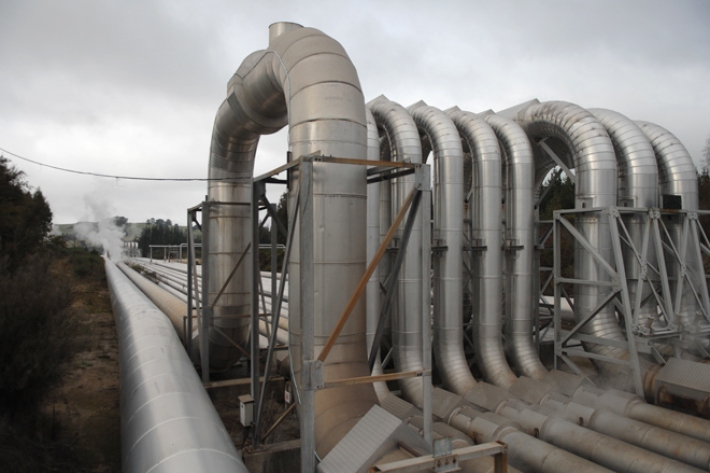
What is the proposed activity or industry?
Various industries and land use activities have the potential to impact on water quality and mahinga kai unless properly managed. -

Tuna - tuna heke (downstream migrants)
Once eels become migrants (also known as tuna heke or tuna whakaheke) they stop feeding, and progressively develop the external features that clearly distinguish them from 'feeders'. -

Lesson 2: Wind
Education ResourceSometimes wind can feel like a bit of a mystery because we can feel it, but not see it. -
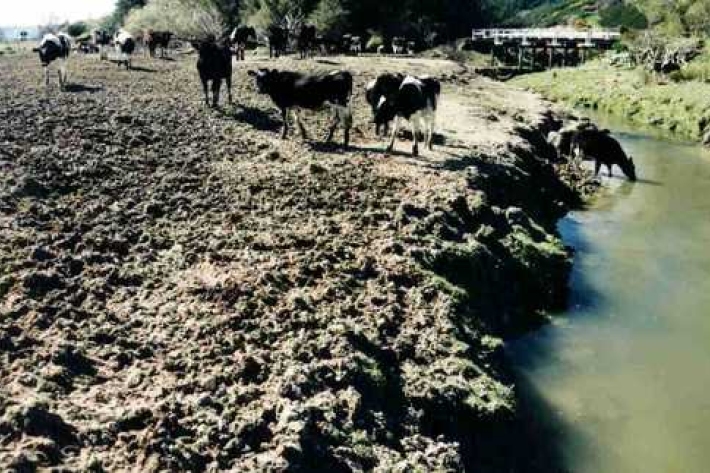
Loss of riparian vegetation
Plants and trees along the water margins and banks are called riparian vegetation. -
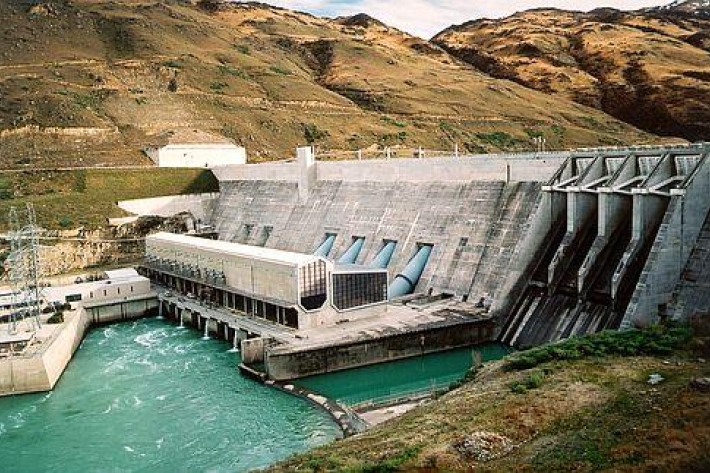
Hydro
Hydro-electricity is a renewable energy source that relies on the inflow of water into storage lakes upstream of a dam. -
Mean daily maximum temperatures (°C)
These datasets are available in a range of formats. -
Nutrients and wastewater
How do nutrients from wastewater treatment enter waterways? -
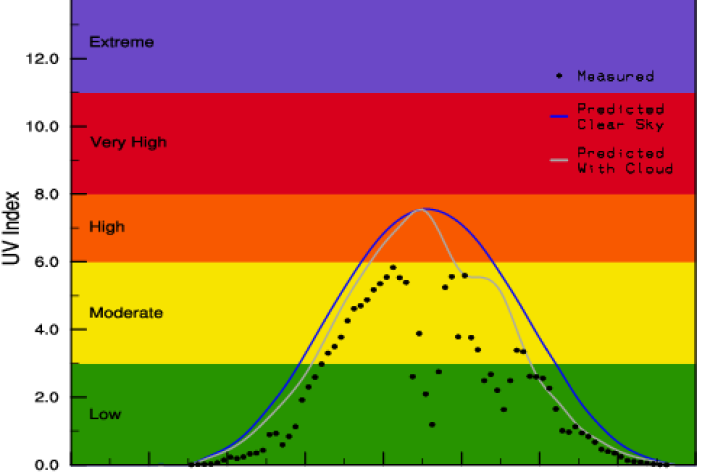
Yesterday's UV Index
Plots of UV levels throughout the day at different locations. -
Rainfall Deciles (RD)
If you list all the historic rainfall totals for a particular month and for a specific location, rank these from lowest to highest, then divide the list into ten equal parts, you have identified the ten rainfall deciles for that month and for that location. -
Map Scott
Education ResourceScott Base, Antarctica Antarctica is the coldest, windiest and driest continent.