-
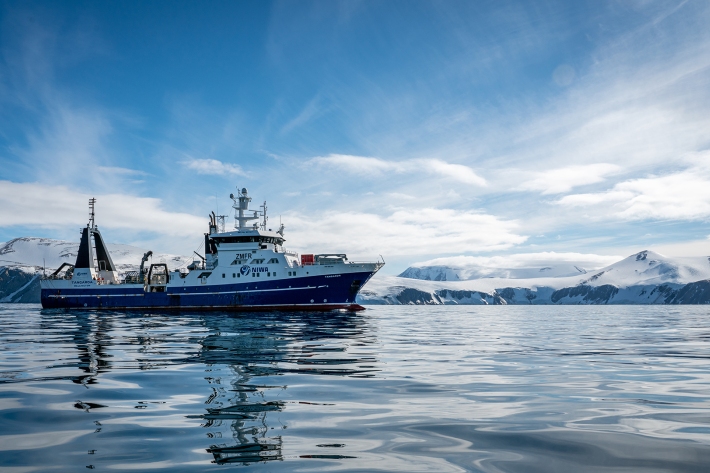
Research Vessel Tangaroa
FacilityRV Tangaroa is New Zealand’s only ice strengthened and dynamically positioned deep-water research vessel. -
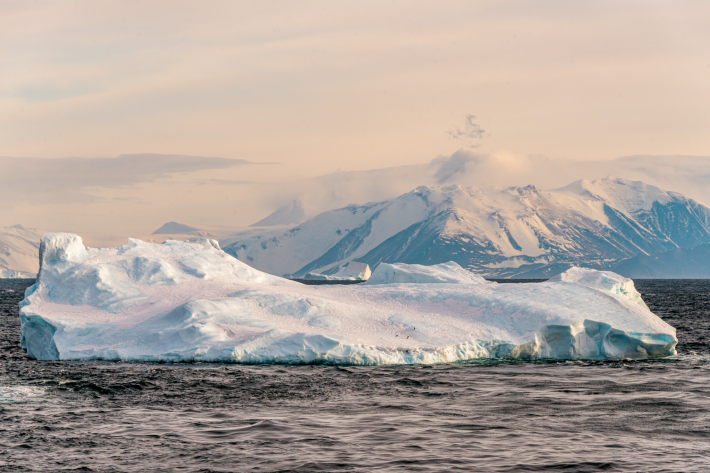
Antarctica
Supporting research on Antarctic atmospheric processes and aquatic ecosystems. -
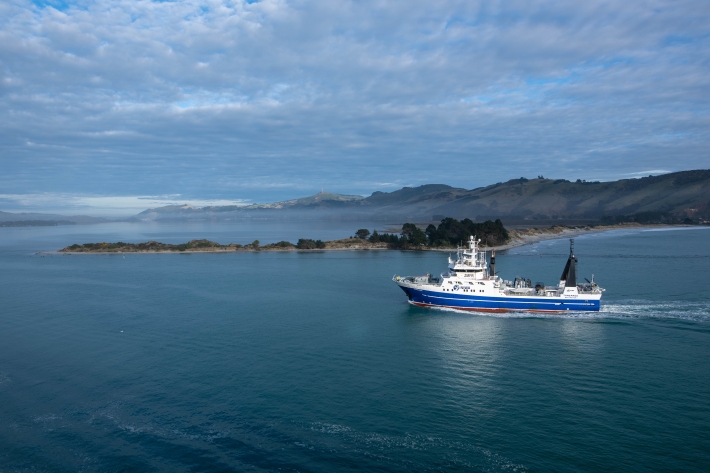
Vessels
Our vessels are world class environmental monitoring and research platforms. -
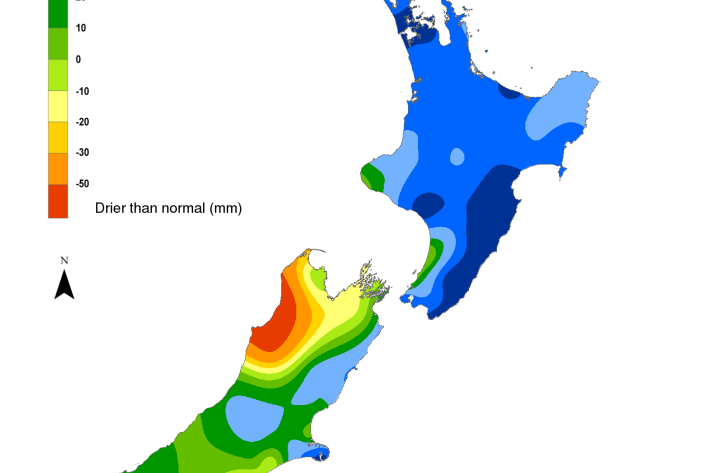
Hotspot Watch 24 February 2023
Hotspot24 February 2023A weekly update describing soil moisture patterns across the country to show where dry to extremely dry conditions are occurring or imminent. -

Island Climate Update maps
Software Tool/ResourceNIWA Island Climate Update forecast maps -
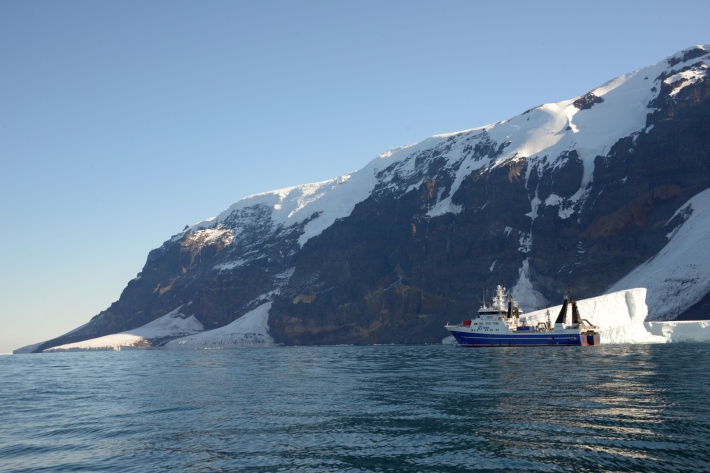
Record low sea ice levels mixed bag for Antarctic voyage
Media release23 February 2023Scientists from the National Institute of Water and Atmospheric Research (NIWA) have returned from a six-week voyage to Antarctica. -
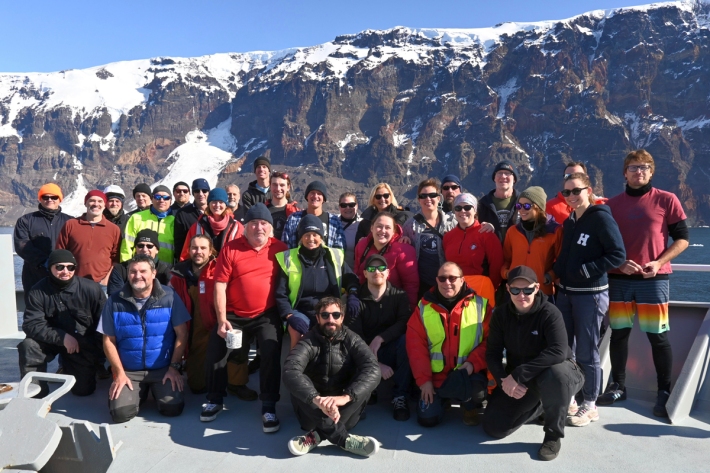
TAN2302 voyage update - 20 February 2023
We are happily heading back from a highly successful trip to the frozen continent knowing that the data from this voyage will contribute to a broad body of science critically important to understanding the Ross Sea ecosystem and the impacts of climate change. -
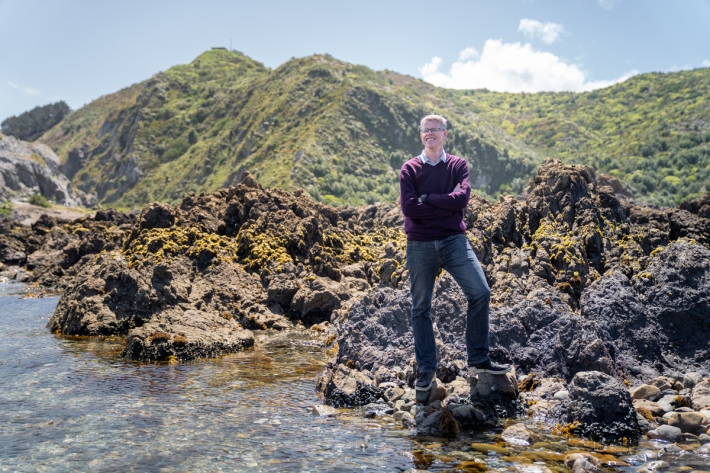
Research aims to quantify New Zealand’s Blue Carbon capacity of kelp seaweeds
Media release20 February 2023A research project co-led by Blue Carbon Services and NIWA will aim to provide New Zealand’s first national estimate of natural kelp-carbon sequestration in the marine environment. -
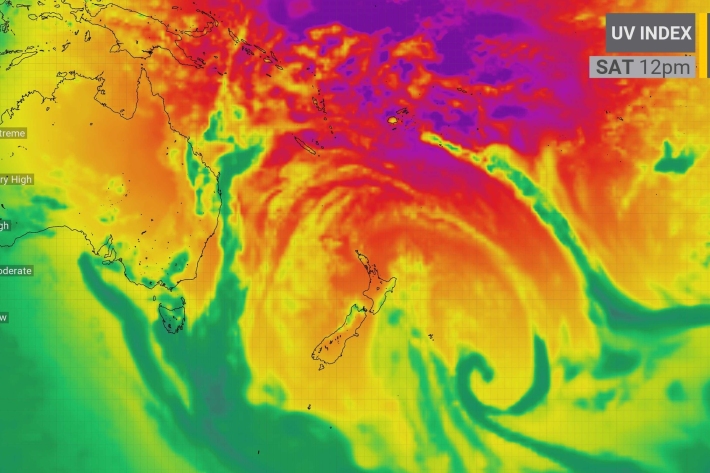
High UV prompts SunSmart warnings
Media release20 February 2023Ultraviolet (UV) radiation levels are averaging higher in 2022 compared to 2021, atmospheric scientists are warning. -
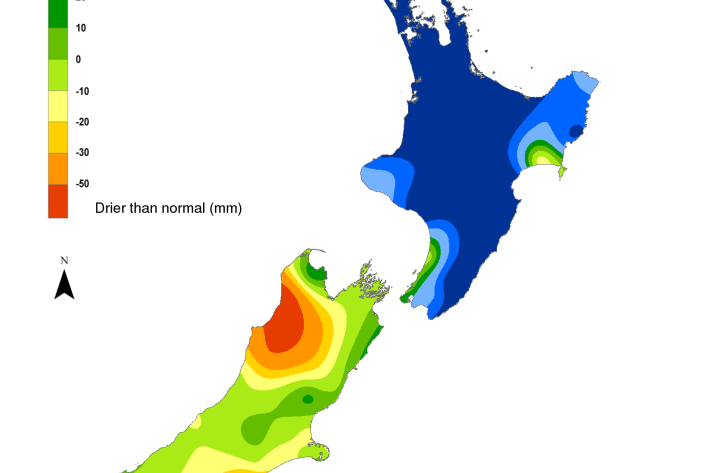
Hotspot Watch 16 February 2023
Hotspot16 February 2023A weekly update describing soil moisture patterns across the country to show where dry to extremely dry conditions are occurring or imminent. Regions experiencing significant soil moisture deficits are deemed “hotspots”. Persistent hotspot regions have the potential to develop into drought. -
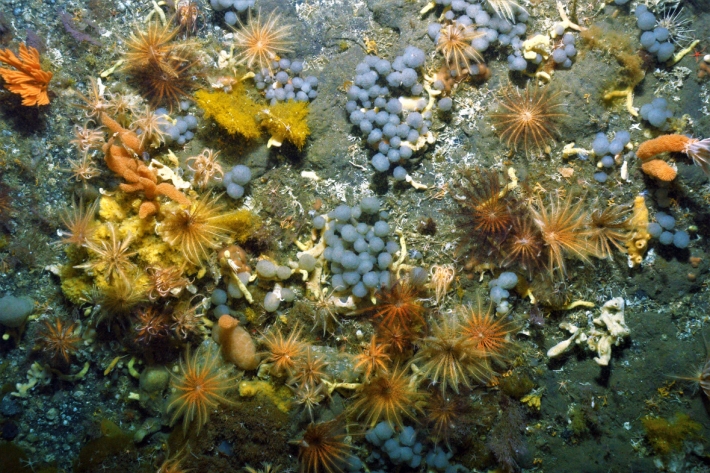
TAN2302 Voyage update 1
One of our main tasks for this voyage is to better understand the geographic distribution - biogeography - of Antarctic organisms in the western Ross Sea, from the frozen coast out onto the continental shelf at 500m deep. -
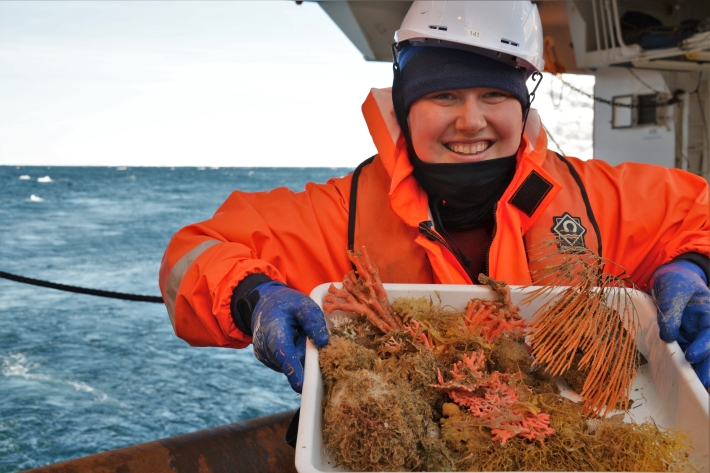
TAN2302 voyage update - 10 February 2023
We have now visited 23 separate sites in these coastal areas, albeit some of them very close together. Every time we visit a new site, we first need to map the seafloor as we are working in unchartered coastal waters.