-
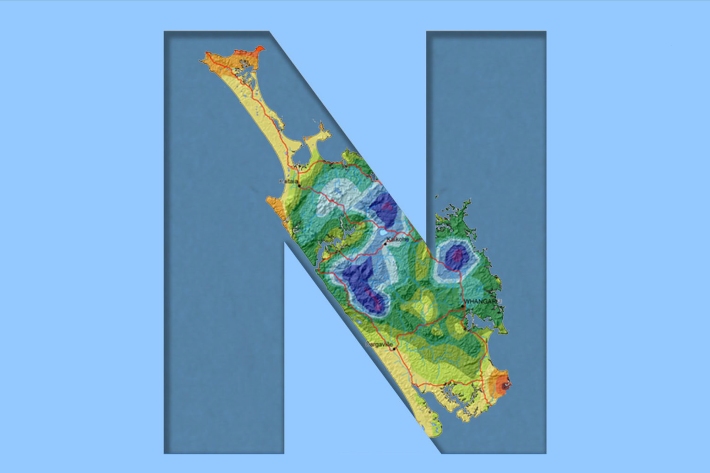
Northland
Northland, with its northern location, low elevation and close proximity to the sea is characterised by a mild, humid, and rather windy climate. -

Water take
Water take (also known as water abstraction) has a range of valuable public and private uses. -
When fresh water meets salty water
When fresh water meets salty water - a classroom exercise that explores the physics of estuaries. -
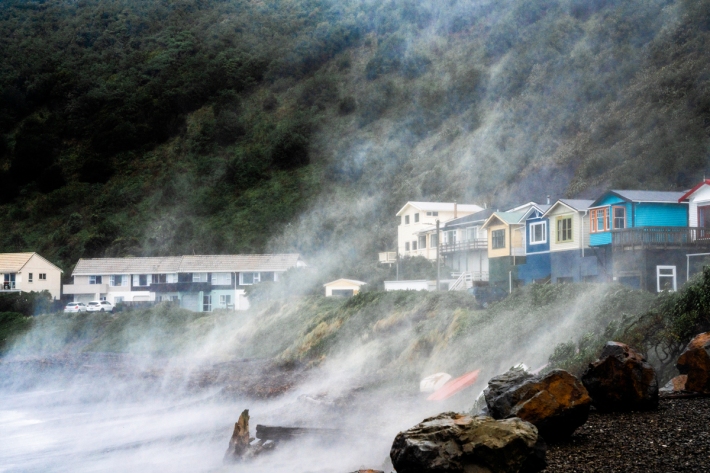
Coastal storm inundation
Education ResourceNew Zealand has low-lying coastal areas that are vulnerable to inundation (flooding) by the sea. -

Lesson 2: Wind
Education ResourceSometimes wind can feel like a bit of a mystery because we can feel it, but not see it. -
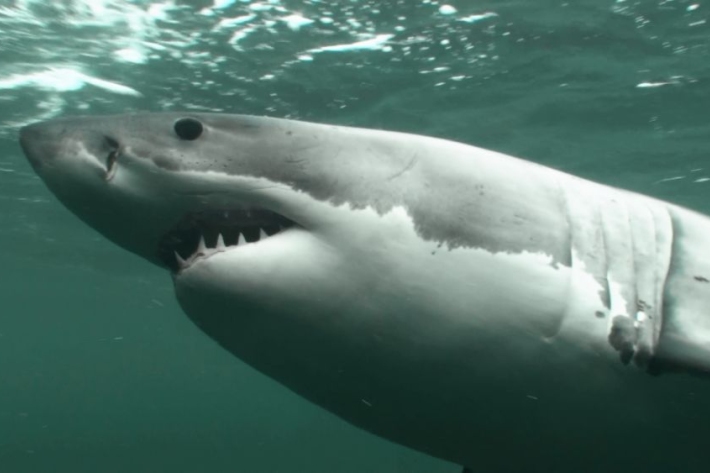
White sharks
Research ProjectWhere and when do white sharks occur in New Zealand waters, and how can fisheries bycatch be reduced? -
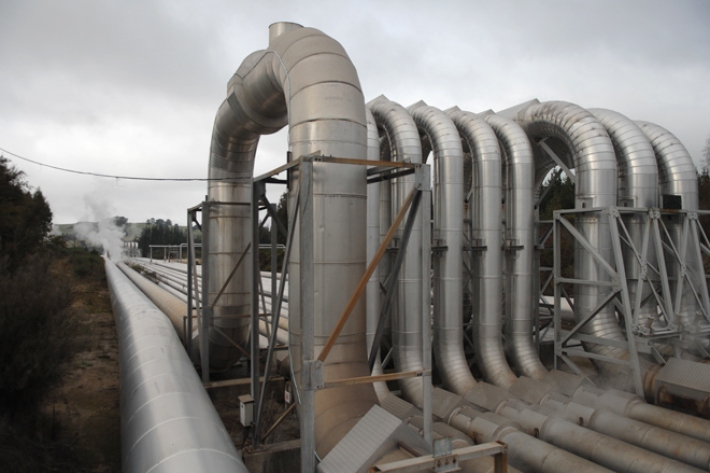
What is the proposed activity or industry?
Various industries and land use activities have the potential to impact on water quality and mahinga kai unless properly managed. -
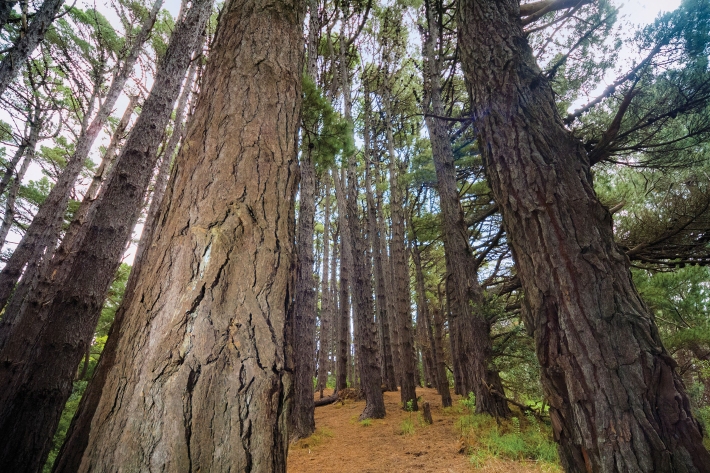
Native forests absorbing more carbon dioxide
Media release06 June 2017New Zealand’s forests and other land areas may be absorbing up to 60% more carbon dioxide than has been calculated, with much of this uptake likely occurring in native forests, NIWA scientists have discovered. -
Tuna - tuna heke (downstream migrants)
Once eels become migrants (also known as tuna heke or tuna whakaheke) they stop feeding, and progressively develop the external features that clearly distinguish them from 'feeders'.