
Seasonal (Spring, Summer, Autumn, Winter) lakeside trials and sampling to evaluate the feeding activity and physiological condition of Corbicula fluminea are an important component of the ‘Stopping the gold clam’ programme. Spring sampling was recently completed.
This research aims to quantify seasonal variation in feeding and waste production rates, alongside assessments of physiological condition. Key metrics include the uptake of plankton, particulate organic matter, and bacteria, as well as the production of faeces and pseudofaeces.
These are complemented by biometric measurements such as shell length and dry tissue weight, which are used to calculate condition indices - important indicators of growth, reproductive investment, and environmental stress.
Feeding trials are conducted using lake water and natural seston to simulate ambient food availability. Clams are exposed to these conditions in individual chambers in a flow through system for set periods, during which ingestion and egestion rates are measured. This allows the assessment of seasonal shifts in feeding efficiency and dietary preferences.
By conducting feeding trials and collecting clams at regular intervals throughout the year, the Earth Sciences NZ team aims to capture temporal patterns in feeding behaviour and body condition that may correspond with environmental drivers such as temperature fluctuations, food availability, habitat changes, or reproductive cycles.
This data will contribute to a more comprehensive understanding of the ecological performance and impact of C. fluminea in New Zealand freshwater systems—particularly on native filter-feeding species such as kākahi (freshwater mussels).
Preliminary spring data indicate a strong correlation between clam whole wet and tissue dry weights and relatively consistent condition indices across all size classes, suggesting stable physiological status during this season.
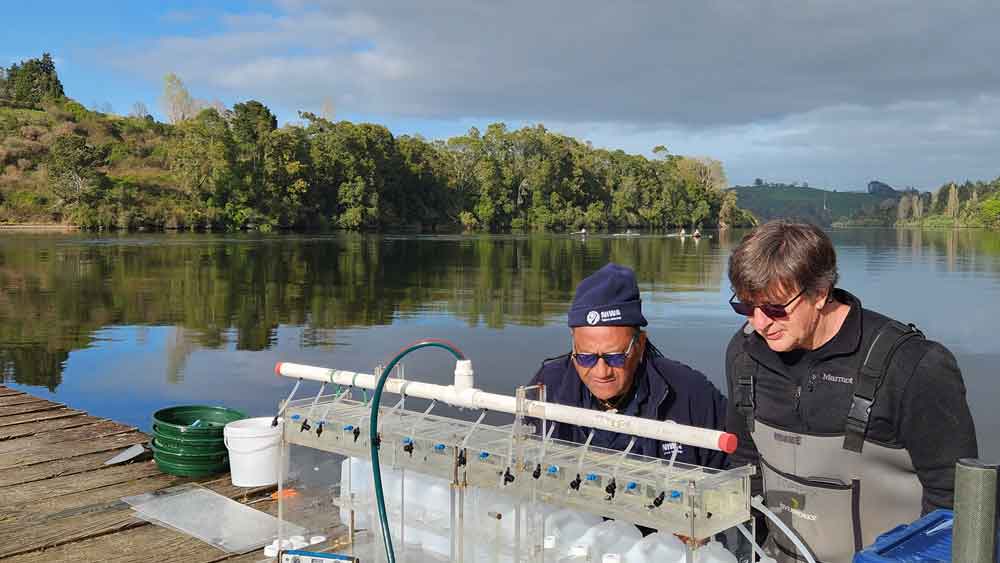
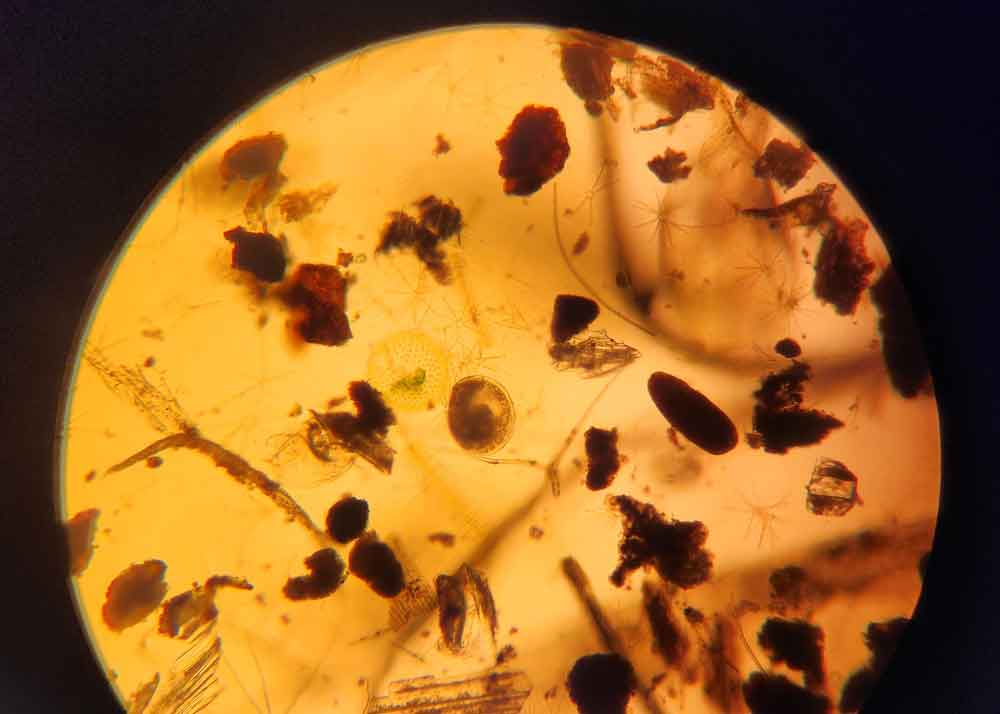
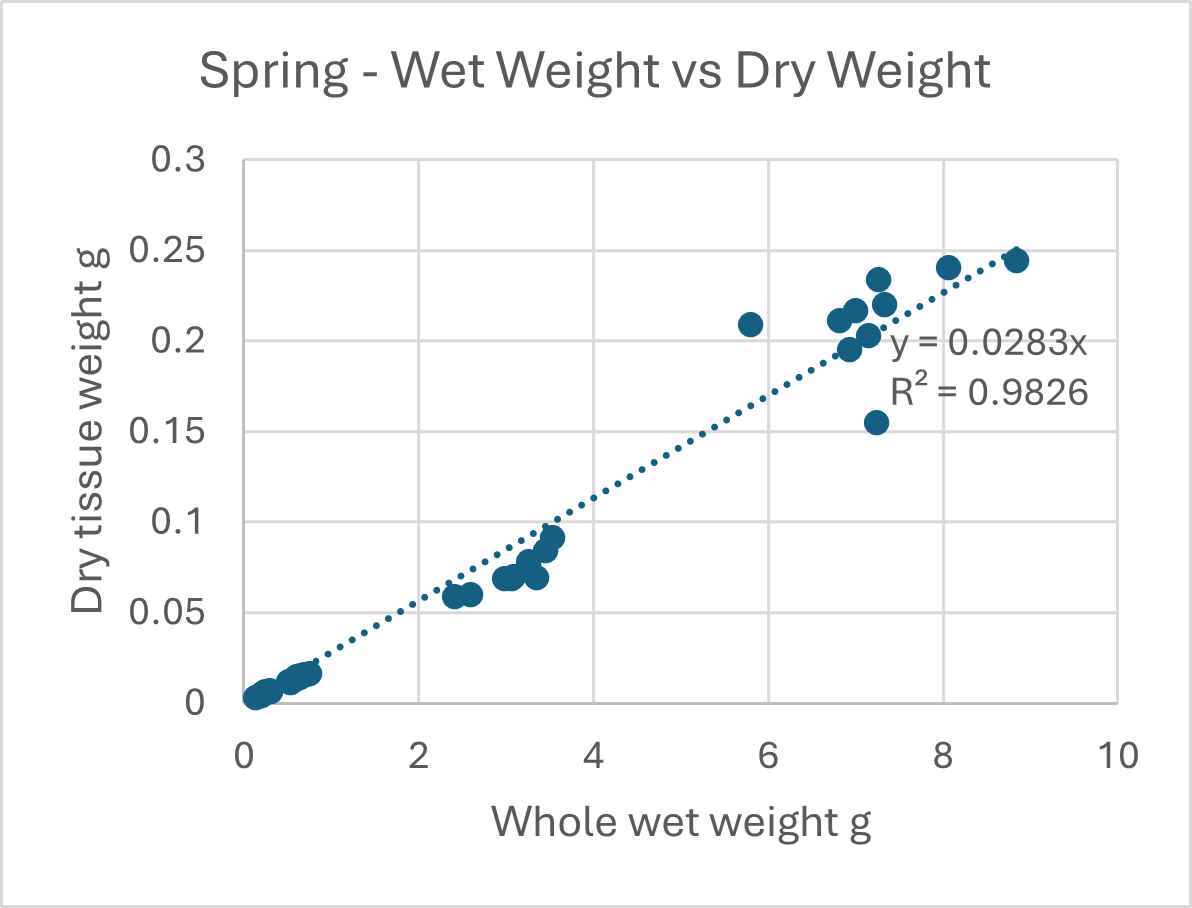
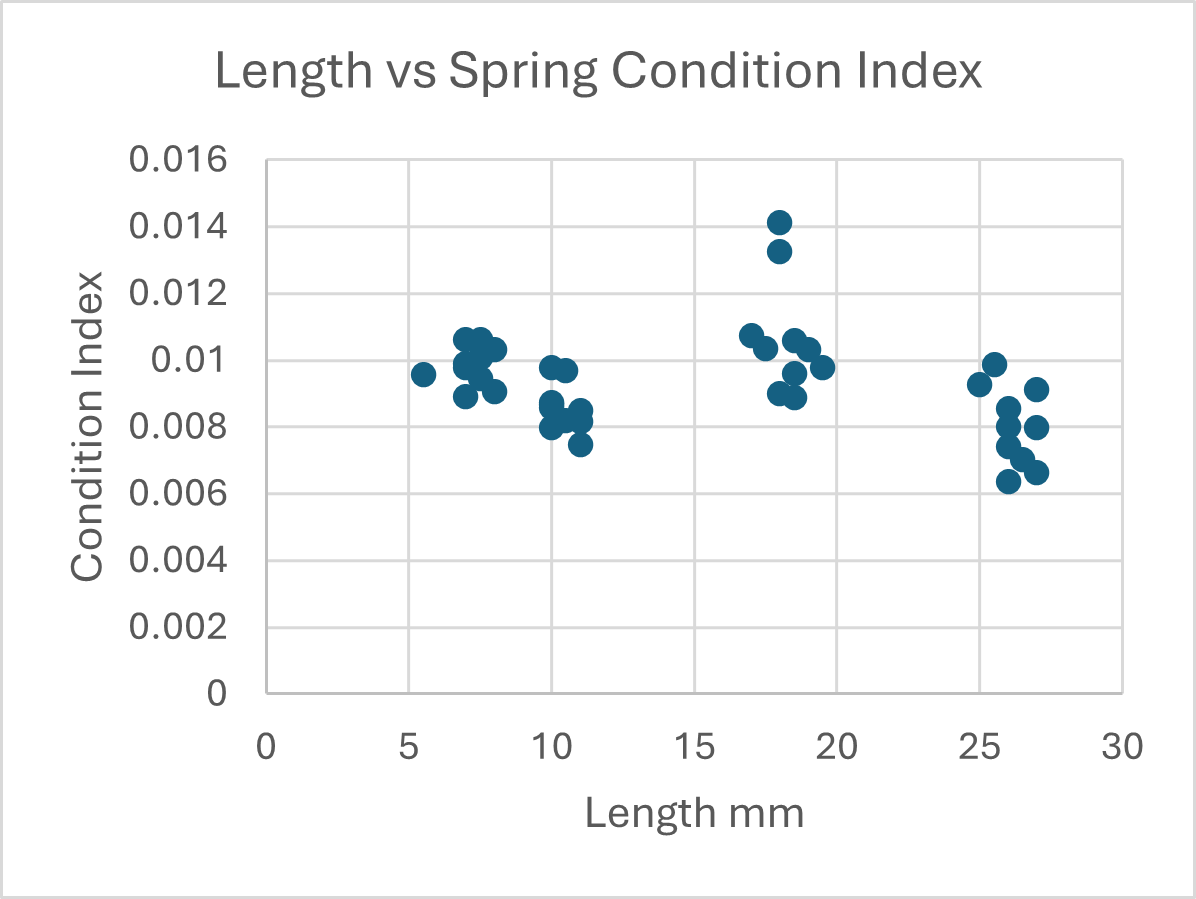
Figure: Plots showing correlation between Corbicula fluminea whole wet weight and tissue dry weight (left) and Condition Index across various size classes (right) during Spring.