
16 December 2025
Ngā mihi o te tau hou. Welcome to the December programme update from the Stopping the Gold Clam research team. In this update we report on research activities over the last five months including a visit from Prof Frances Lucy and a new resource – the ‘Silent super spreaders” video.
In this update
Deborah Hofstra Programme Lead update
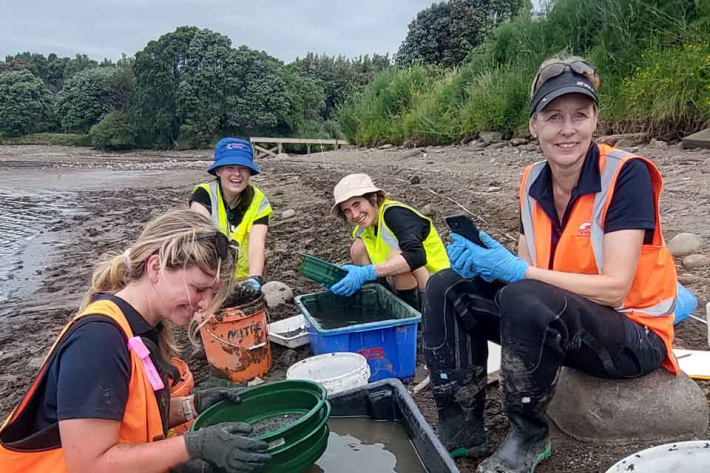
In this update… New clam breeding insights, the Silent Super Spreaders video, and fresh collaborations to protect NZ waters.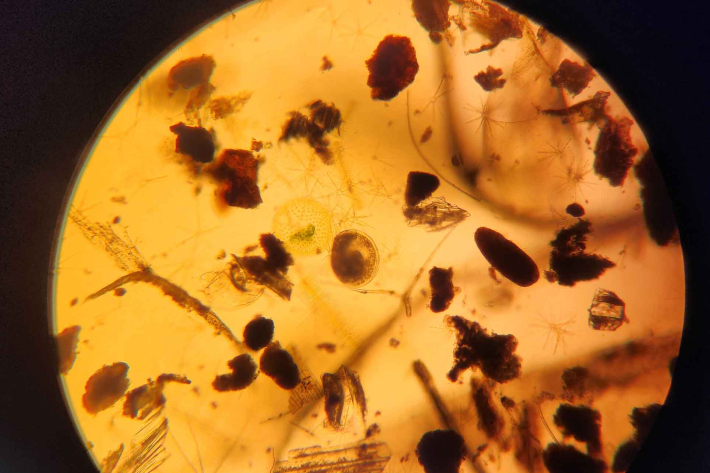
Seasonal feeding trials and condition assessments
Seasonal lakeside trials track Corbicula fluminea feeding & health - spring sampling now complete.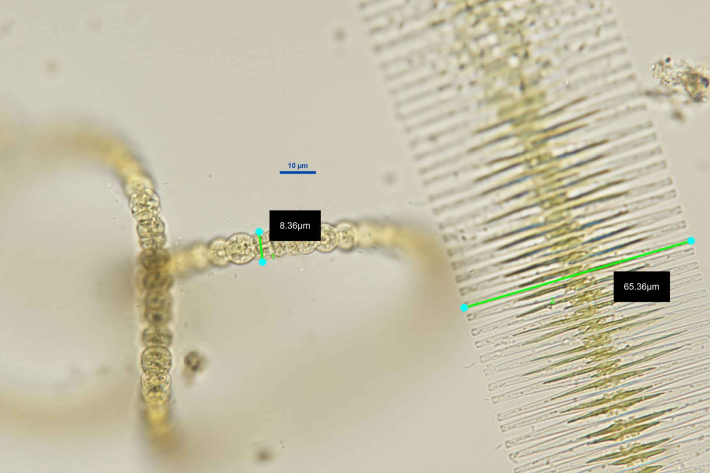
Ecological impacts of the invasive gold clam on planktonic communities
Investigating the ecological impacts of the invasive clam Corbicula fluminea on planktonic communities in Lake Karaapiro and Lake Maraaetai.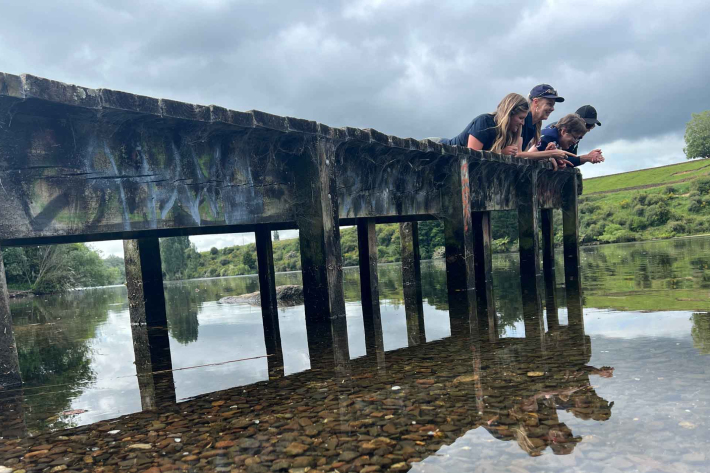
Visiting Irish professor calls for teamwork in fighting invasive clams
Prof. Frances Lucy says connecting people and communities is key to managing the gold clam in New Zealand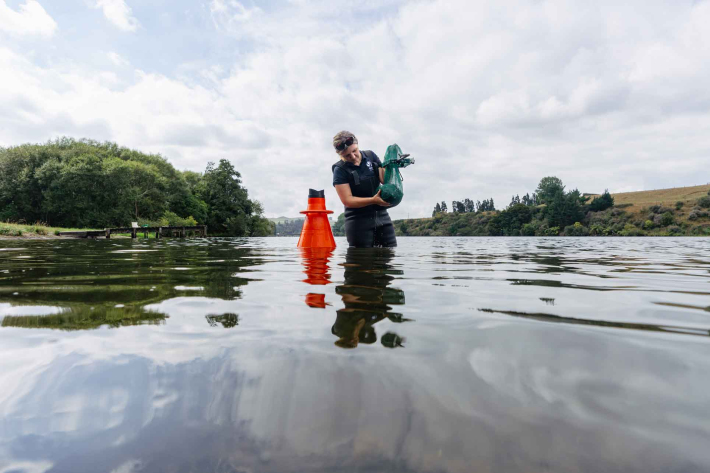
Annual invasive gold clam population surveys in lakes Karaapiro and Maraetai
Two-year dive surveys (2024–25) in Lakes Karaapiro & Maraetai track invasive gold clam impacts on native kaakahi.