-
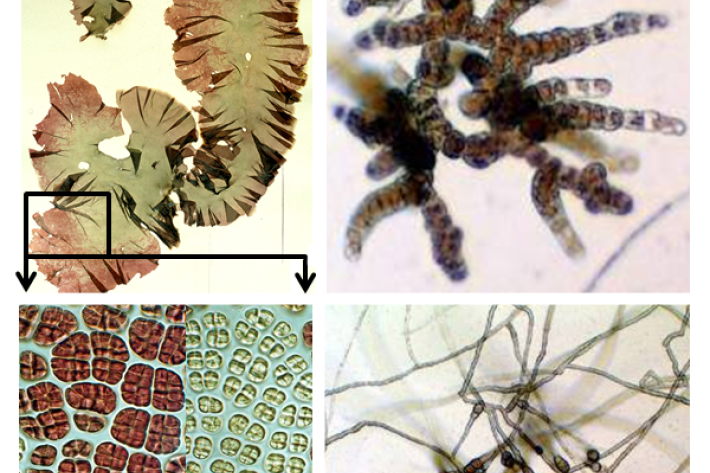
Reclassifying karengo (nori)
Research ProjectThe seaweed known colloquially as nori in Japanese - used for making sushi - or karengo in Maori has been reclassified by an international team of scientists including NIWA's Dr Wendy Nelson. -

NIWA’s Kaharoa sets sail to deploy robots across the Pacific Ocean
News article12 October 2012 -
Kiwi great whites cross the ditch to Bondi
News article26 September 2012 -
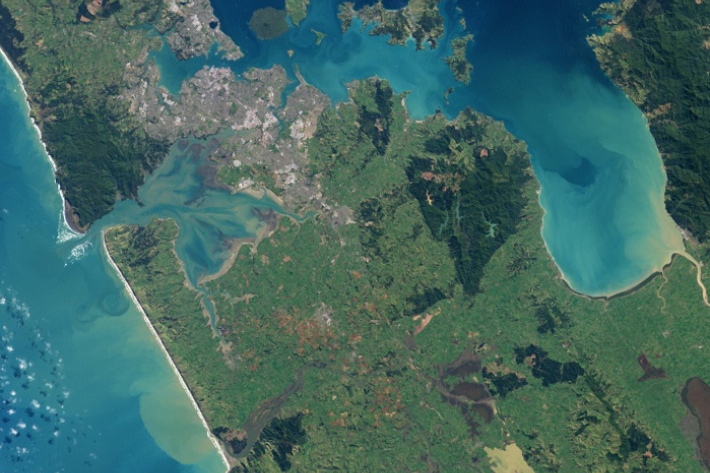
Tracking river plumes
Research ProjectRiver plumes form one of the primary connectors between river-estuary systems and the coastal ocean. -
Ocean modelling
NIWA answers a wide range of scientific questions using ocean modelling. These models can be linked to well established weather forecasting models to predict ocean temperature, sea level and the dispersal of pollution. -

Freshwater pest species
This is a user guide on non-native fish, reptile, invertebrate, algal and plant species that are recorded in New Zealand freshwaters. -
Mapping beach types & hazard assessment
An explanation of how New Zealand beach types are classified and mapped and how the different beach types and their associated hazards are identified. -
Reflective + tidal mud flats
A tide-dominated system, with a narrow reflective high-tide beach composed of coarse sediments, fronted by wide (100's to several 1000's of metres), low gradient ( -
Reflective + sand flats
Reflective + sand flats beaches have a small steep (3-10°), very low-energy high-tide beach composed of coarse sand, fronted by flat featureless sand flats up to several hundred meters wide and composed of finer sand. -
Ultradissipative
Ultradissipative beaches have a relatively straight, steep, cuspated high tide beach, and a low gradient concave, featureless, wide (averages 400-500 m) intertidal zone. -
Reflective + bars & rips
Reflective + bars & rips beaches have a relatively straight, moderately steep, narrow, and coarser sand, cuspated high-tide beach, fronted by a lower gradient, relatively featureless intertidal zone.