-
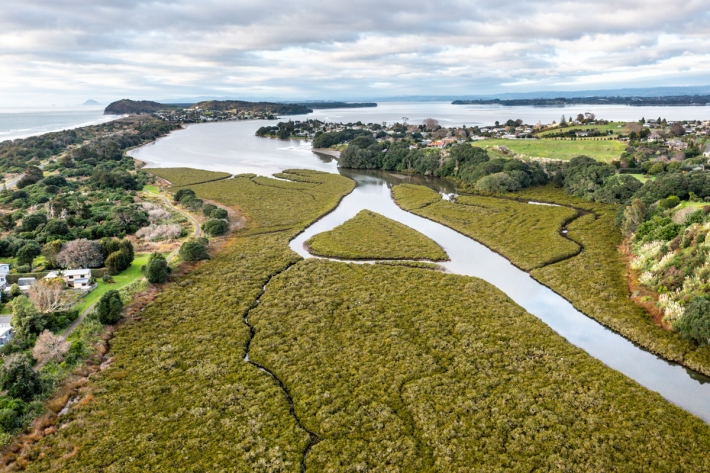
Understanding the threat of sea level rise to NZ’s wetlands
Media release07 October 2022Specialised monitoring equipment has been installed in Bay of Plenty estuaries to understand whether our coastal wetlands can survive the threat of inevitable sea-level rise. -
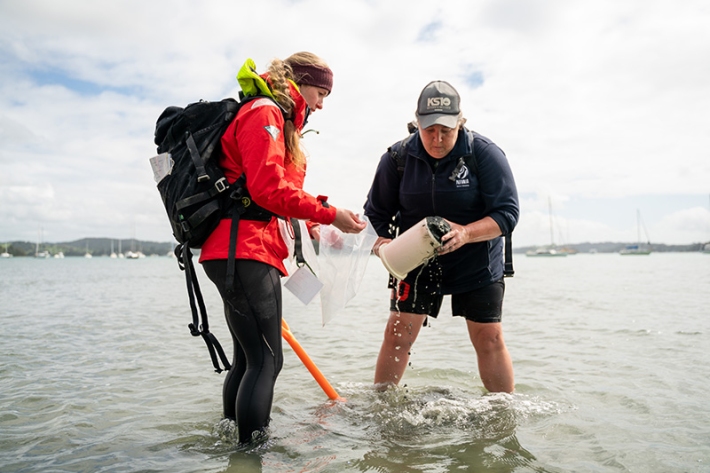
Ki uta ki tai: NIWA’s role in mountains-to-sea estuarine management
Media release09 June 2022Estuaries are coastal waterbodies where freshwater mixes with seawater. Many estuaries in Aotearoa New Zealand have been impacted by pollutants and contaminants entering via freshwater. -
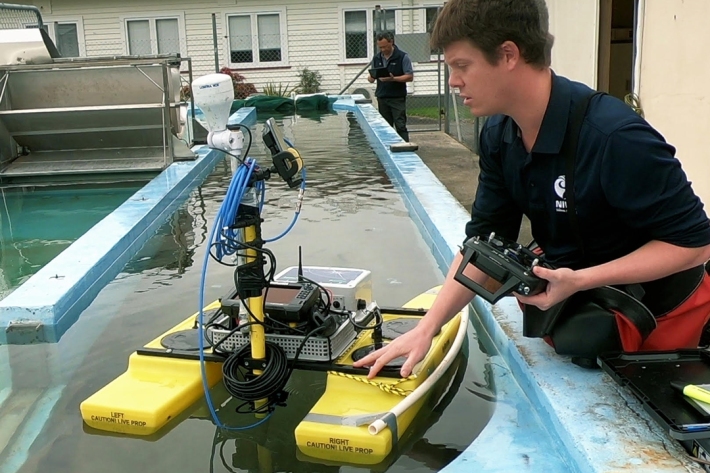
New weapon in fight against invasive aquatic weeds
Media release20 July 2021A combination of artificial intelligence and scientific ingenuity looks set to be the next step forward in protecting Aotearoa New Zealand’s lakes and rivers from invasive aquatic weeds. -
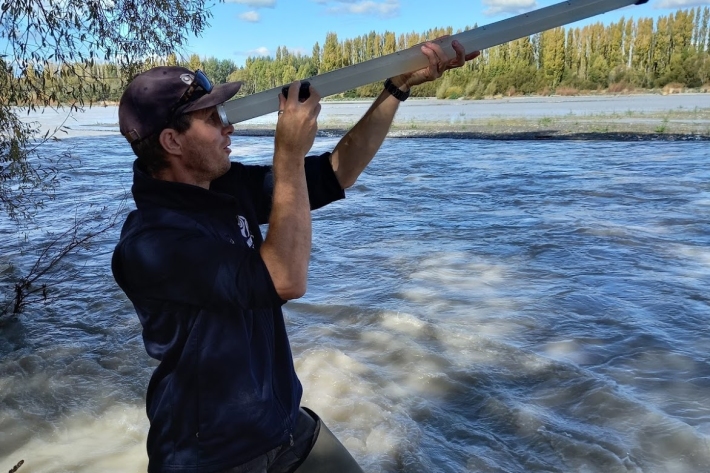
NIWA in the field: Sampling the Waimakariri
Feature story19 May 2021Environmental monitoring technician Patrick Butler has spent hours travelling between the upper and lower reaches of Canterbury’s Waimakariri and Hurunui Rivers. His mission – river water quality sampling. -
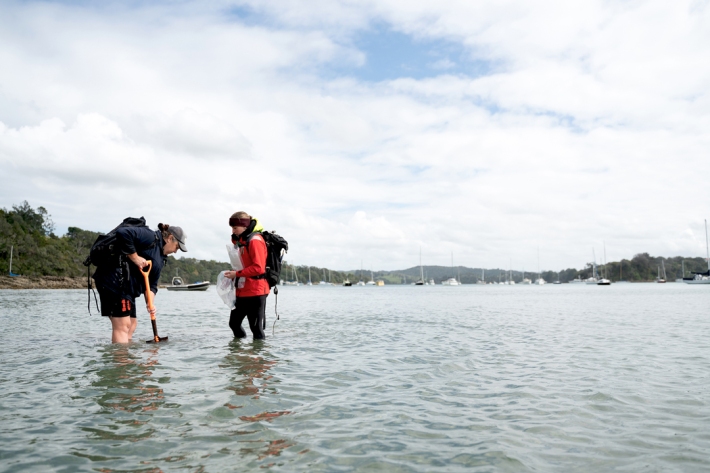
Keeping tabs on muddy waters
Feature story11 February 2021Sam Fraser-Baxter heads out with a NIWA research team keeping a close eye on these vulnerable transition zones. -
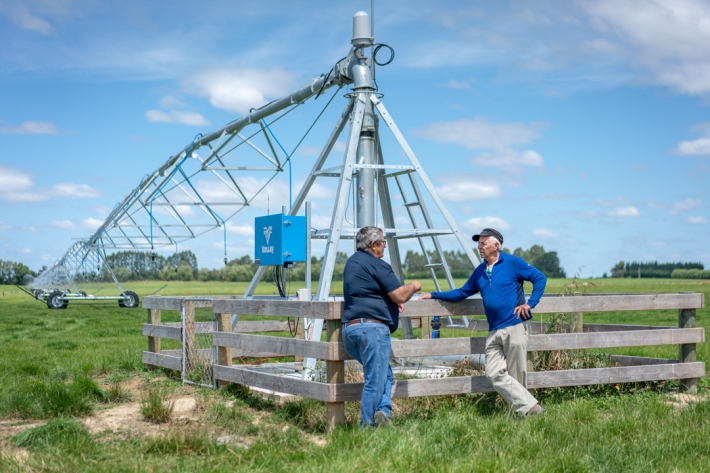
The future shape of water
Feature story11 February 2021Susan Pepperell looks at some of the tough decisions looming around access to freshwater and how science is helping with solutions. -
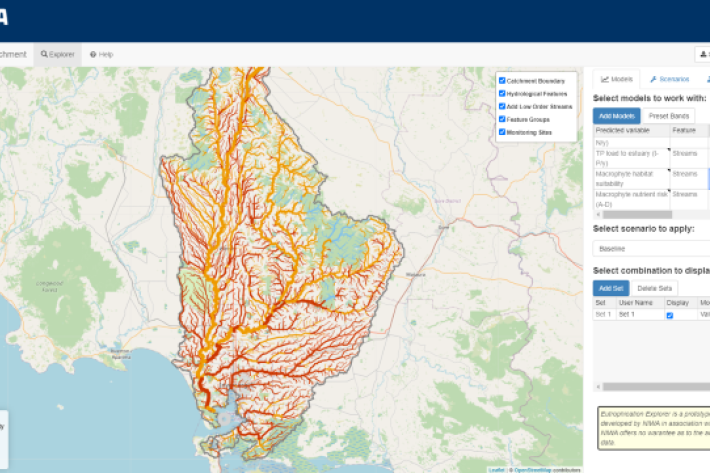
Eutrophication Explorer
A web application tool to explore monitoring data and model predictions related to stream and estuary eutrophication -

NIWA’s Estuarine Trophic Index
Research ProjectConstructed wetlands, detention bunds, woodchip denitrification filters and planted riparian buffers are examples of a growing suite of edge-of-field and farm-scale mitigation systems that are being trialled across rural New Zealand to reduce the impact of diffuse pollution on freshwater quality -
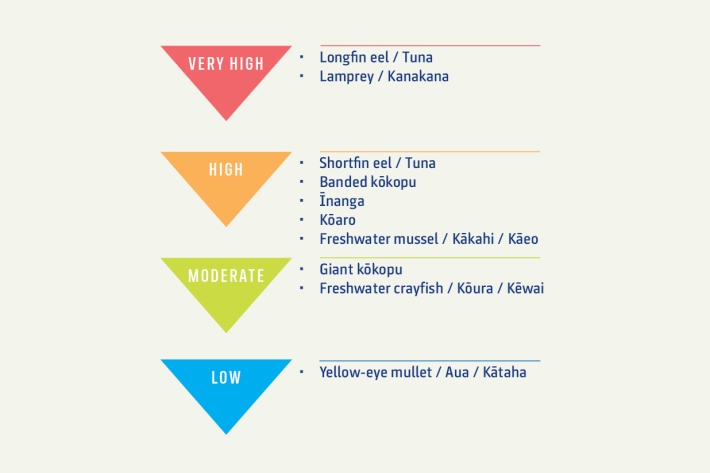
Freshwater species show vulnerability to climate change
Media release15 September 2020A new study has identified seven freshwater species native to Aotearoa-New Zealand that will likely be highly or very highly vulnerable to climate change. -
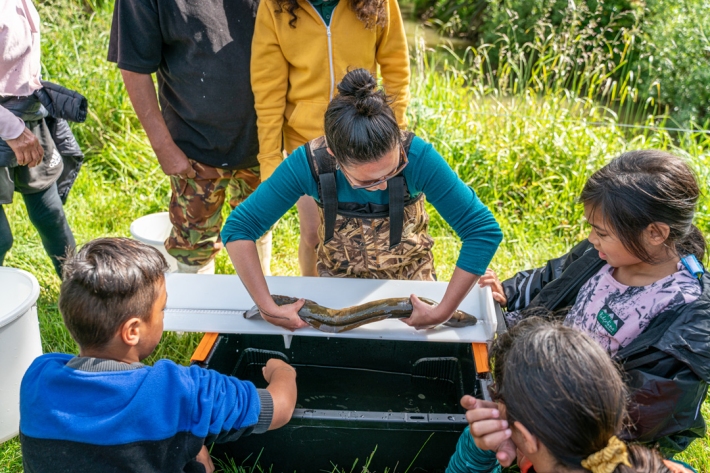
Maniapoto Cultural Assessment Framework
Research ProjectTe Nehenehenui (previously Maniapoto Māori Trust board) and NIWA are working collaboratively to support Ngāti Maniapoto whānau to reconnect with and participate in the assessment of their freshwater according to their values. -
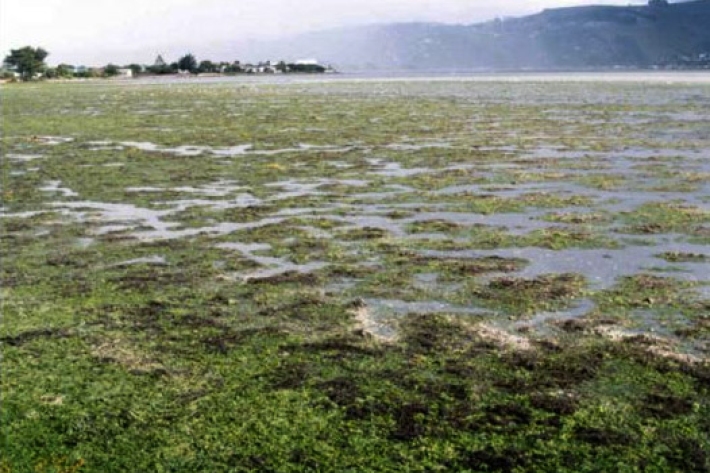
The New Zealand Estuary Trophic Index
Research ProjectExcessive nutrient input (eutrophication) threatens many New Zealand estuaries causing ecological problems, such as algal blooms and poor physical and chemical conditions for estuarine life.