-

Map C North
Education ResourceAs this region is sheltered by high country to the south and east, it has less wind than many other parts of New Zealand. -
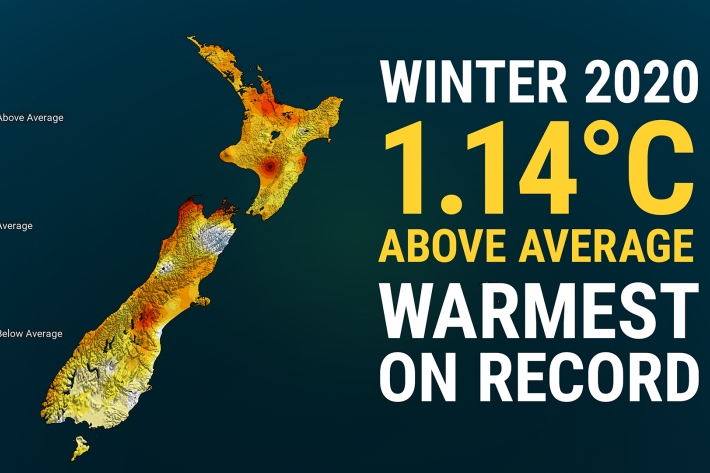
Winter 2020 – NZ’s warmest winter on record
Media release06 June 2017New Zealand has just experienced its warmest winter on record, according to official NIWA climate data. -
Regional modelling of New Zealand climate
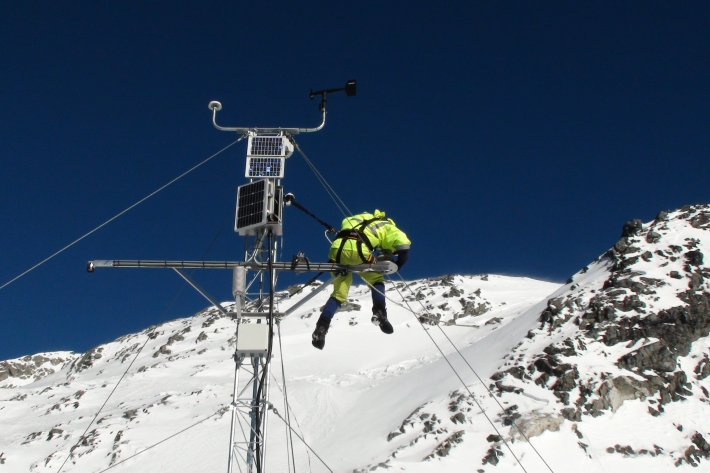
Research ProjectDeveloping probabilistic scenarios of expected future regional climate changes. -
Mean number of days of ground frost
These datasets are available in a range of formats. -
Virtual Climate Station data and products
Virtual climate station estimates are produced every day, based on the spatial interpolation of actual data observations made at climate stations located around the country. -

Island Climate Update
Publication seriesA monthly summary of the climate in the tropical South Pacific islands, with an outlook for the coming months. -
Hotspot Watch Updates
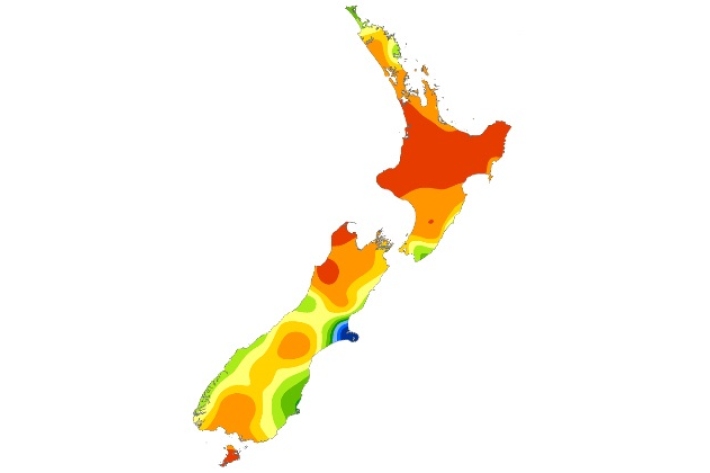
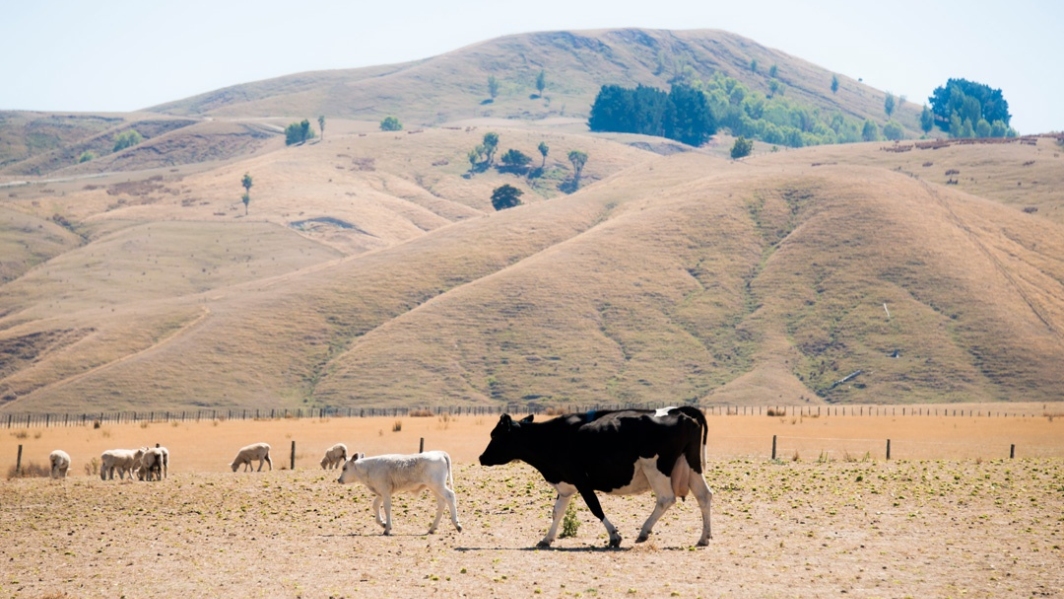
This weekly update helps assess likelihood of extremely dry weather preceding a drought. -
Map Chatham
Education ResourceExtremes of temperature are rare as the Chatham Islands are small land masses surrounded by sea.