-

Mass Spectrometry techniques and measurements
A wide range of mass spectrometry techniques and measurements are available for air, carbon dioxide, carbon monoxide, nitrous oxide, water, carbonates, organics, and other specific isotopes. -
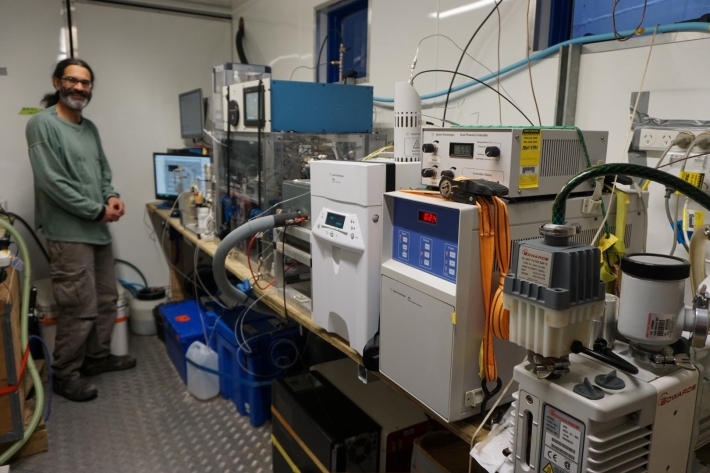
Blog: Plankton blooms and clouds - what's the link? - 11 March
11 March 2018 Today we found NIWA’s Andrew Marriner hard at work in the Ocean-Atmosphere Container Lab and asked him to explain his work onboard. -
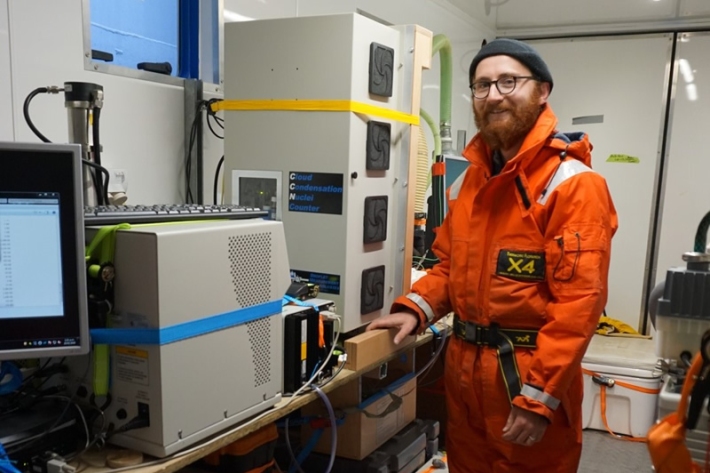
Blog: atmospheric research - 5 March
5 March 2018Sean Hartery, a PhD student from Canterbury University based at NIWA, is collecting samples and data for two main areas of atmospheric research while he is out here in the Ross Sea: ice nuclei and aerosols. -
Blog: atmospheric gas measurements - 21 February
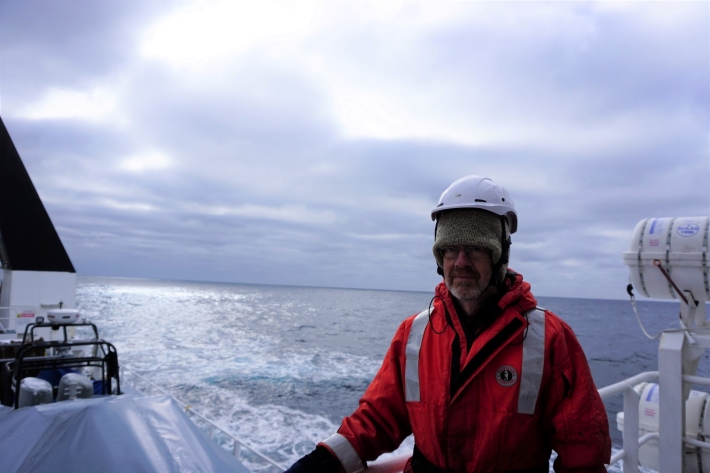
21 February 2018John McGregor from NIWA checks on the instruments that measure atmospheric gases throughout our voyage. -

Profile: Wills Dobson - small town, huge horizons
Feature story05 October 2017If it wasn't for a damaged shoulder, Wills Dobson wouldn't be launching weather balloons or fixing high-precision atmospheric measuring instruments. -
Tiny air bubbles reveal new information about greenhouse gas emissions
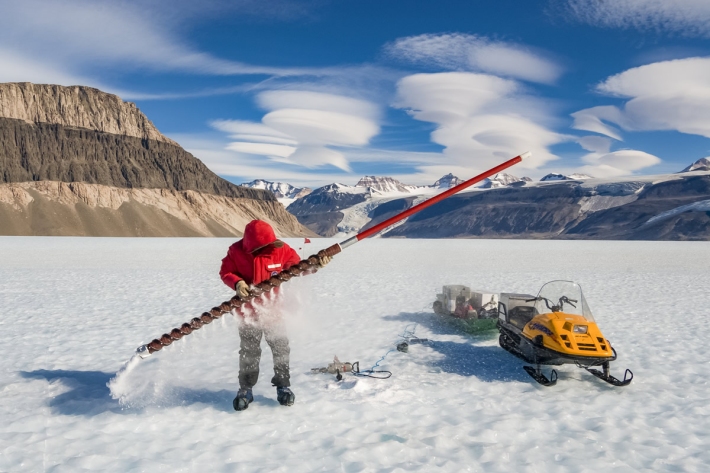
Media release24 August 2017Sitting at the surface of Taylor Glacier in Antarctica, are layers of ice more than 10,000 years old. And trapped inside those layers are bubbles of ancient air – like tiny time capsules - able to tell scientists a story about what the world used to be like and how humans have changed it. -

NOAA Satellite data
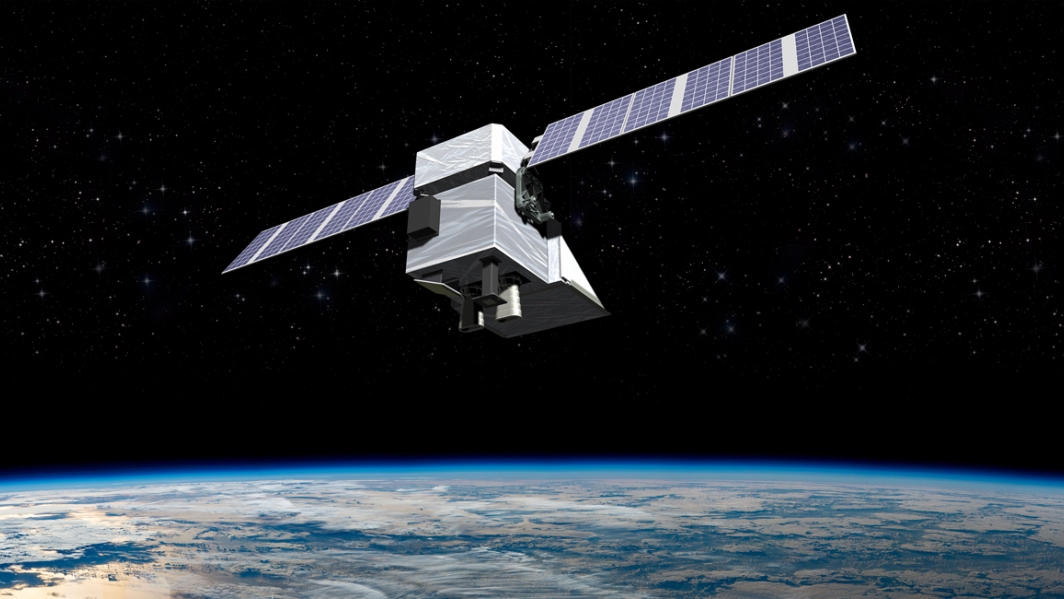
Like the GMS satellite, the NOAA Series of polar orbiting satellites (operated by NOAA, the US National Oceanic and Atmospheric Administration) are a component of the World Weather Watch meteorological satellite network. -
How can carbon emissions be weighed?
The mass of carbon emissions can easily be calculated. -
Real-time UV Index displays
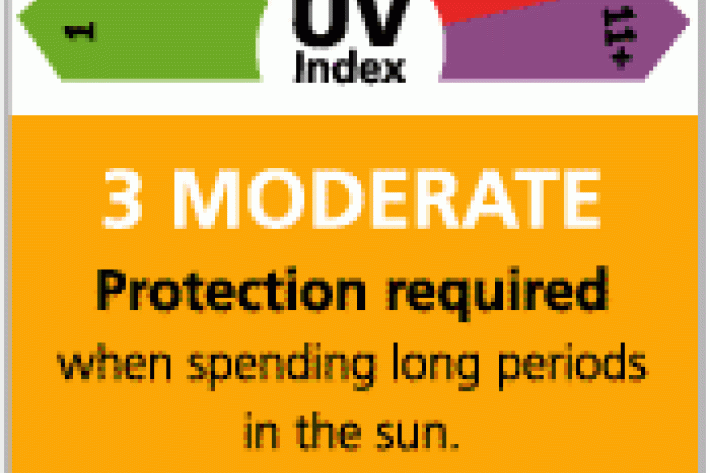
NIWA has developed a real time UV display in consultation with the Cancer Society and Sunsmart. -
What is ocean acidification?
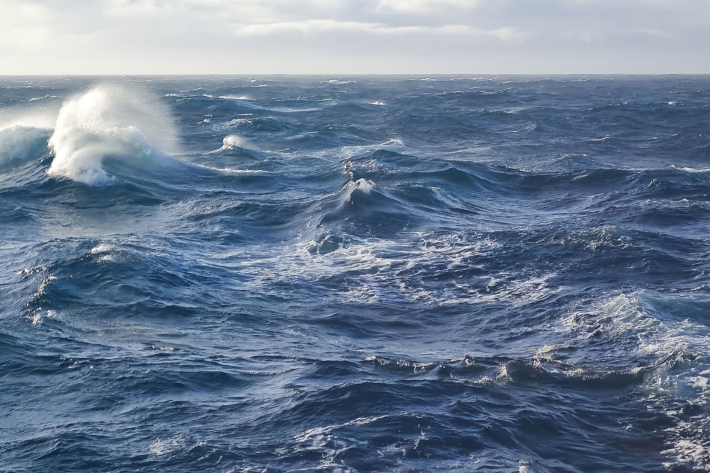
Education ResourceOcean acidification is the name given to the lowering of pH of the oceans as a result of increasing carbon dioxide (CO2) in the atmosphere.