-

Map North
Education ResourceThis is a sub-tropical climate zone, with warm humid summers and mild winters. -
Rainfall Deciles (RD)
If you list all the historic rainfall totals for a particular month and for a specific location, rank these from lowest to highest, then divide the list into ten equal parts, you have identified the ten rainfall deciles for that month and for that location. -
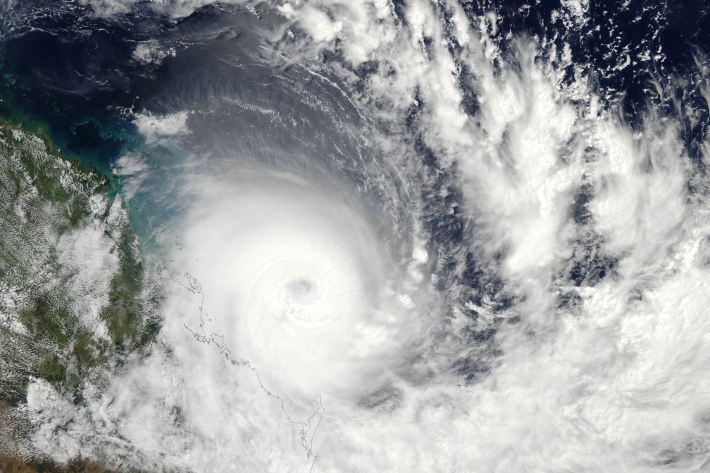
Southwest Pacific Tropical Cyclone Outlook
Publication seriesA summary of up-coming tropical cyclone seasons, issued 6-monthly. -
Water take
Water take (also known as water abstraction) has a range of valuable public and private uses. -
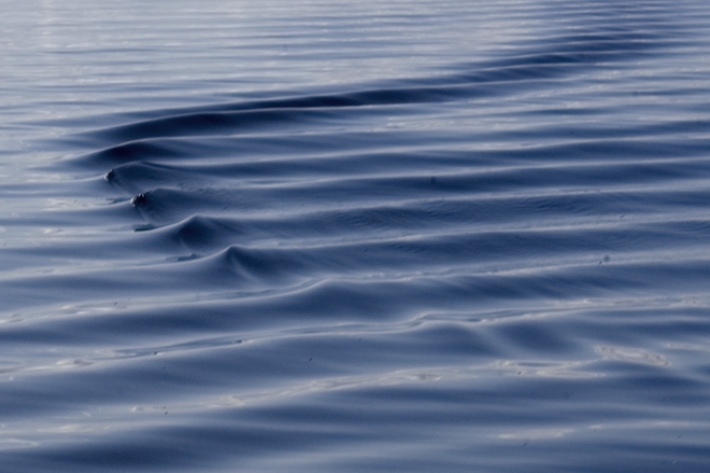
When fresh water meets salty water
When fresh water meets salty water - a classroom exercise that explores the physics of estuaries. -
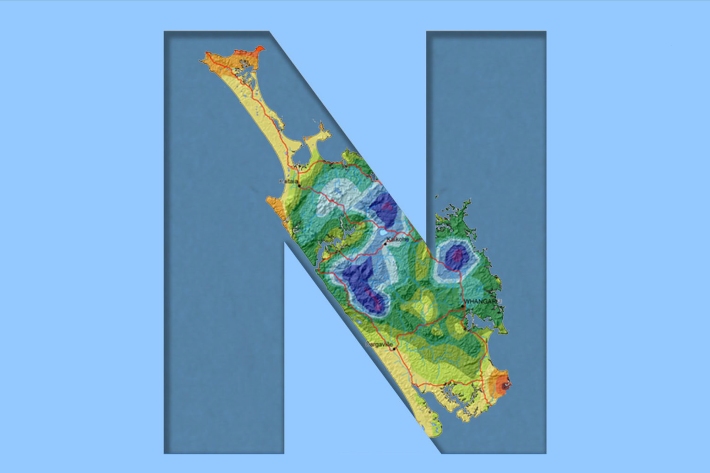
Northland
Northland, with its northern location, low elevation and close proximity to the sea is characterised by a mild, humid, and rather windy climate. -

White sharks
Research ProjectWhere and when do white sharks occur in New Zealand waters, and how can fisheries bycatch be reduced? -
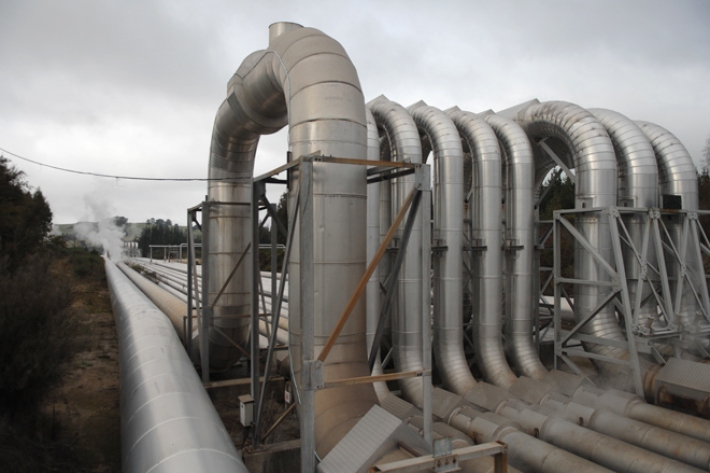
What is the proposed activity or industry?
Various industries and land use activities have the potential to impact on water quality and mahinga kai unless properly managed. -
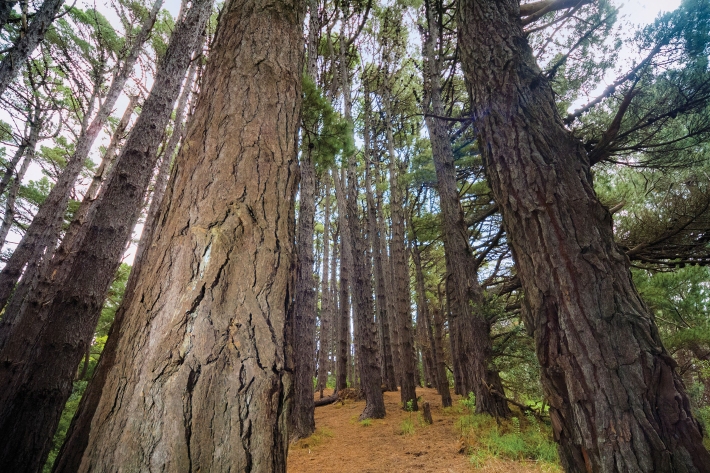
Native forests absorbing more carbon dioxide
Media release06 June 2017New Zealand’s forests and other land areas may be absorbing up to 60% more carbon dioxide than has been calculated, with much of this uptake likely occurring in native forests, NIWA scientists have discovered.