-
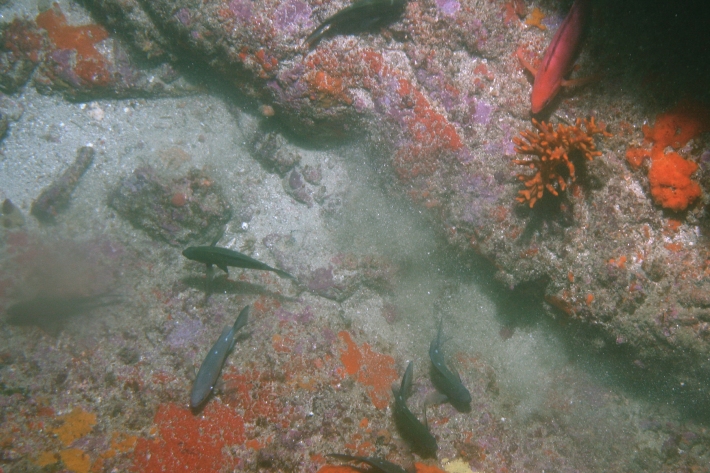
Mapping marine biodiversity in Bay of Islands
Research ProjectBuilding a publicly-available database from the results of a marine mapping survey of the Bay of Islands provides us with a stocktake of the local aquatic resource, in turn giving us valuable information on what areas we can better manage for the future. -

Reintroduction: risk factors
Successful reintroductions of species into a new stream habitat require carefully consideration and planning. -
Monitoring and maintenance
Once you have identified the problem, and applied the necessary tools for restoring fish to your stream, the next phase of your project is to monitor the stream site to see whether restoration works. -
Tools
The tools available for restoring native fish to streams depend on what is causing fish to decline. -
Identifying the problem
Identifying the factors causing fish numbers to drop will allow you to determine which restoration tools you need to employ. -
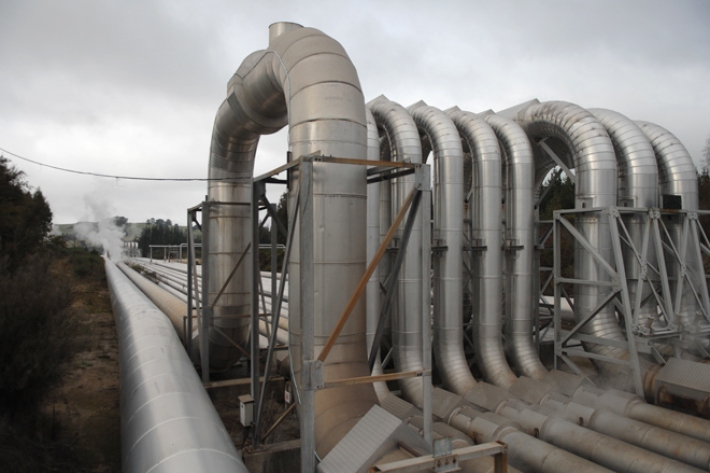
Chemical contamination and energy
What are the potential sources of chemical contamination from energy generation activities? -
Riparian vegetation and energy
How do energy generation activities potentially impact riparian vegetation around a waterway? -
Water take and energy
How do energy generation activities potentially influence water flows? -
Instream barriers and energy
How do instream barriers as a result of energy generation activities potentially influence water resources? -
Infectious substances, meat and dairy
What are the sources of infectious substances from the meat and dairy processing industry?