-

The decline of New Zealand’s sea lions
Research ProjectThe main breeding population of New Zealand sea lions at the Auckland Islands has halved in size since the late-1990s; NIWA scientists are working with the government and experts from around New Zealand and overseas to understand why. -
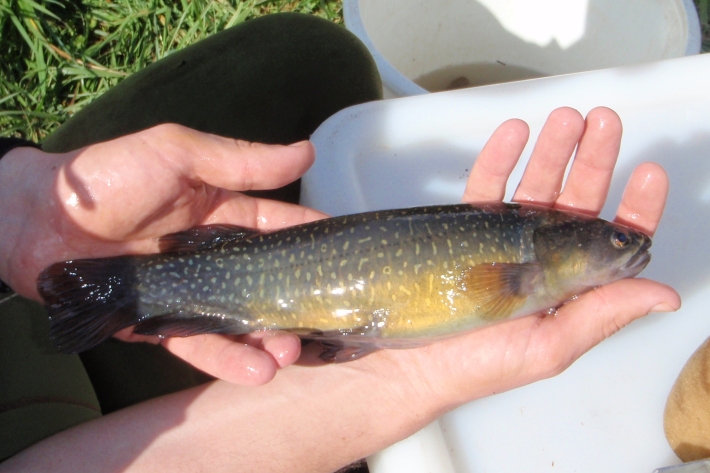
Flow requirements for galaxiid fish spawning
Research ProjectMany of our iconic native fish species, such as whitebait and eels, rely on river flows to cue key life-cycle stages, including migration and reproduction. As pressures on water resources increase, the risk of disrupting these flow cues, and therefore impacting fish populations, becomes greater. -
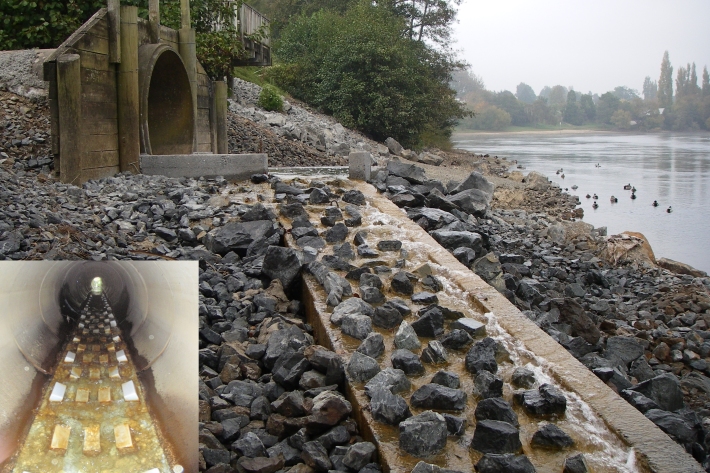
Understanding fish passage in New Zealand
Research ProjectNIWA scientists have been investigating the different capabilities of our native freshwater fish species in order to help design effective solutions for overcoming barriers to migration -
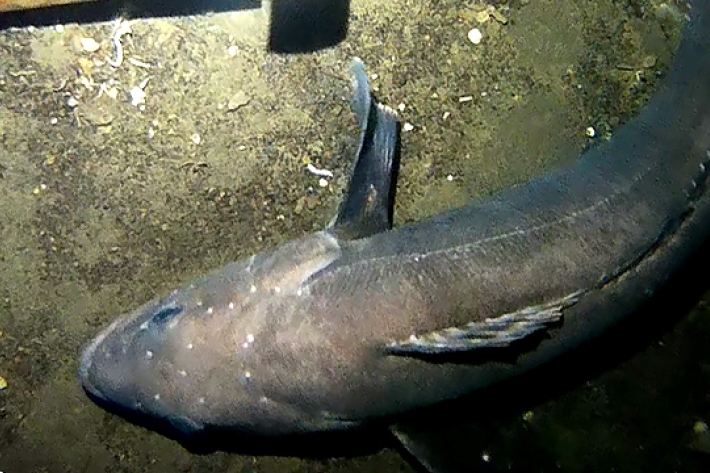
Antarctic fisheries research
Research ProjectNIWA’s Antarctic fisheries research is allowing us to investigate possible effects of the longline Antarctic toothfish fishery on the toothfish population and on the local ecosystem. -
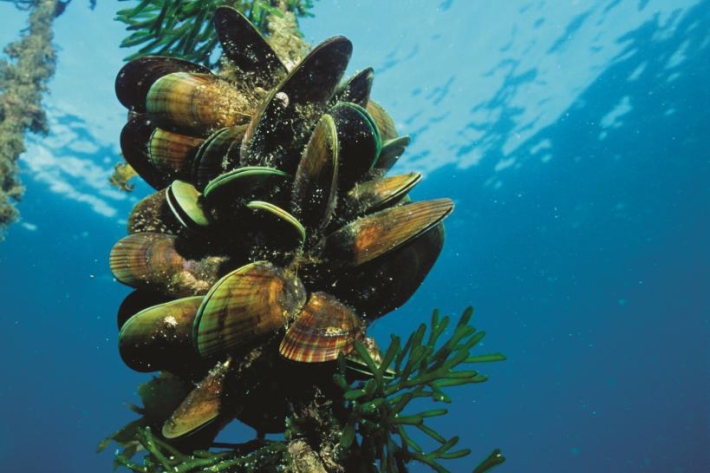
CARIM (Coastal Acidification: Rate, Impacts & Management)
Research ProjectA NIWA-led project to tackle coastal acidification in New Zealand. -
Ross Sea fish surveys
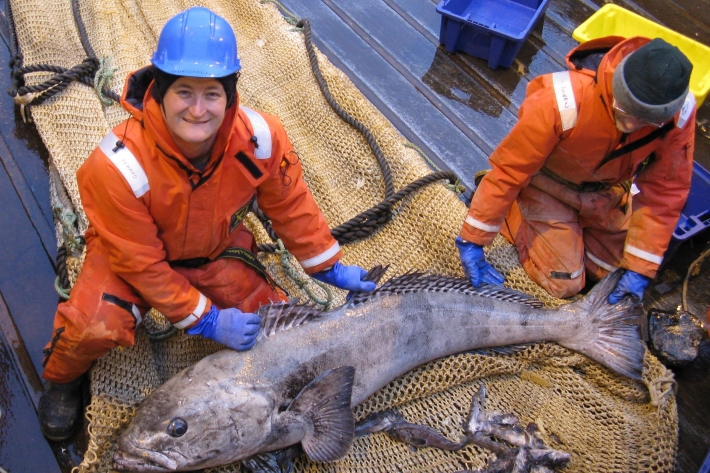
Research ProjectWe don’t clearly understand the ecological effects of commerical toothfish fishing in the Ross Sea region. To improve our knowledge, we conducted a survey of demersal (bottom-dwelling) fish species on the Ross Sea slope - particularly grenadiers and icefish - during the 2015 Antarctic Ecosystems Voyage. -
Mapping the ecosystem service potential of our coasts
Research ProjectEstuaries and coasts provide a wide range of benefits to New Zealanders – “ecosystem services”. However, we still don’t know enough about these ecosystem services – a challenge NIWA and other scientists are tackling with a new technique. -
Ecosystem modelling
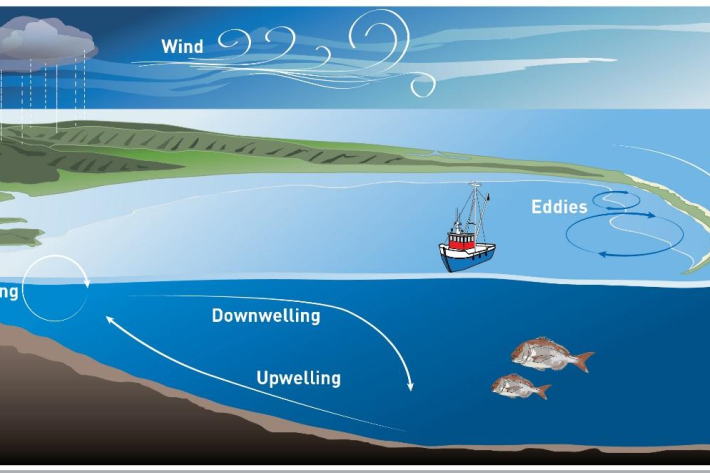
Research ProjectAt NIWA, we’ve developed an Atlantis model for the Tasman and Golden Bays region. We’re also developing one for the Chatham Rise. -
Recovering plants for reintroduction to Lake Ōmāpere
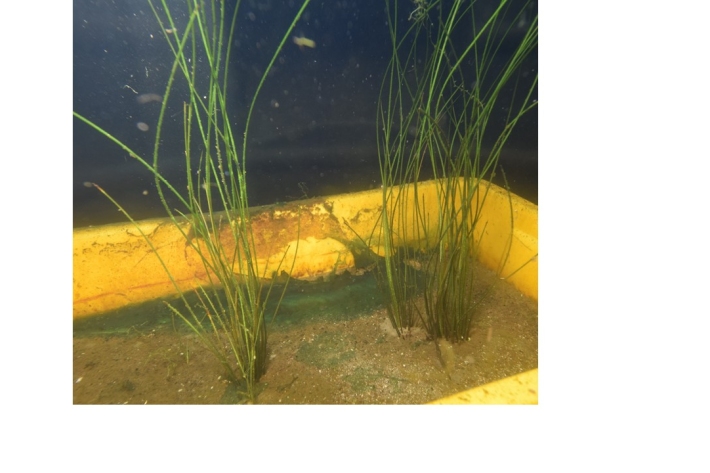
Research ProjectThree plants of an endemic submerged quillwort (Isoëtes) were recovered from Lake Ōmāpere by NIWA in 1998, prior to the lake weed (Egeria densa) dying off and the lake switching into an algal dominated turbid state. No further isoëtes plants have been observed in the lake since that time. -
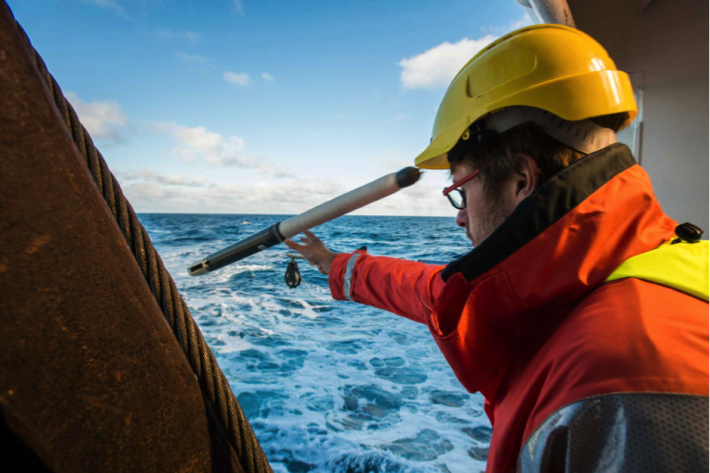
Southern Ocean seas and atmosphere
Research ProjectThis research voyage aimed to provide data to contribute to better global climate and oceanographic models -

New Zealand Ocean Acidification Observing Network (NZOA-ON)
Research ProjectOcean acidification conditions around the New Zealand coast are being measured to establish baseline conditions and to quantify future change. -

New Zealand Ocean Acidification Observing Network (NZOA-ON)
Research ProjectOcean acidification conditions around the New Zealand coast are being measured to establish baseline conditions and to quantify future change.