-
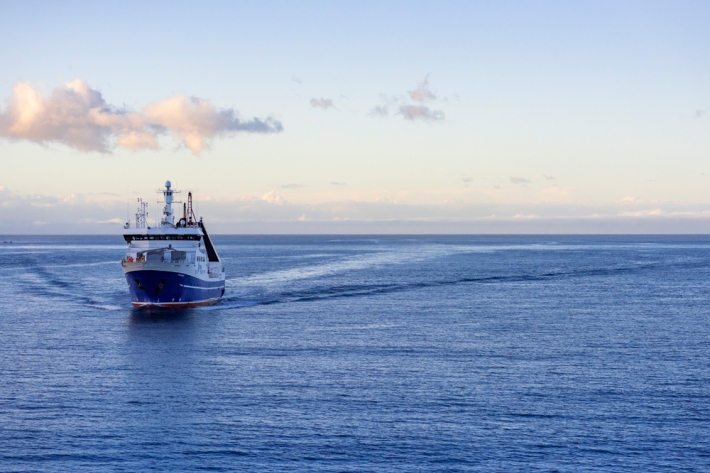
NIWA-Nippon Seabed Mapping Project a “rare opportunity” to study effects of Tonga eruption
Media release01 April 2022NIWA and The Nippon Foundation are undertaking a mission to discover the undersea impacts of the recent Tongan volcanic eruption. -
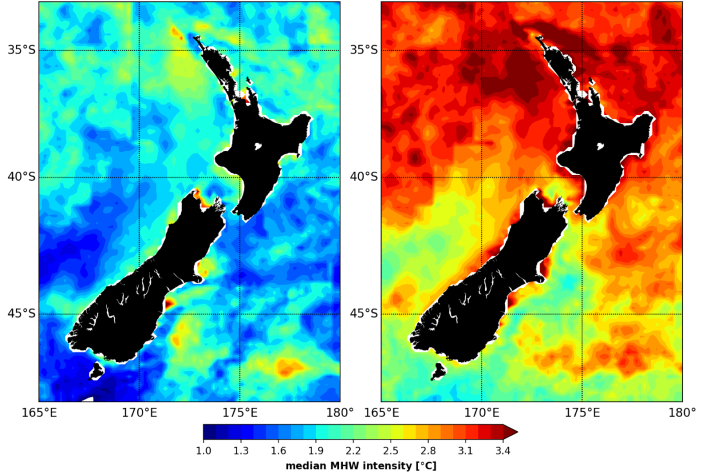
Mean heat: Marine heatwaves to get longer and hotter by 2100
Media release07 March 2022New research from the Deep South Challenge: Changing with our Climate and NIWA shows that New Zealand could experience very long and “very severe” marine heatwaves by the end of the century. -
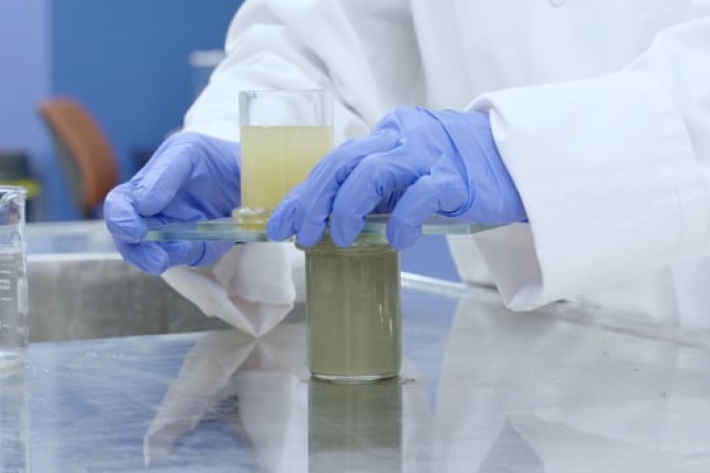
Microplastics: a deeper problem than we thought?
There is increasing global concern about the presence of plastic pollution in our oceans. -
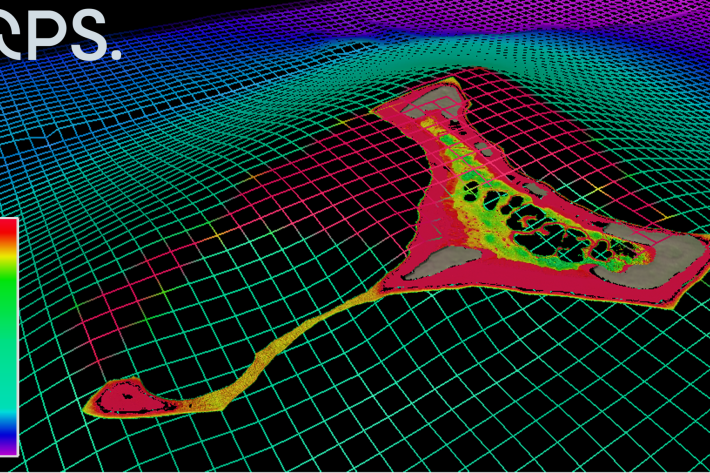
Tropical seafloor secrets revealed
Media release25 February 2022NIWA scientists and Toitū Te Whenua Land Information New Zealand (LINZ) have used satellite technology to chart the Cook Islands’ seafloor in never-before-seen detail. The work was done as part of Seabed 2030 - a collaborative project to produce a definitive map of the world ocean floor by 2030. -

A robot sea craft helps count fish
A six-metre-long autonomous vessel is equipped with artificial intelligence and a range of data gathering equipment, including a battery powered echosounder that can estimate the size of fish populations. -
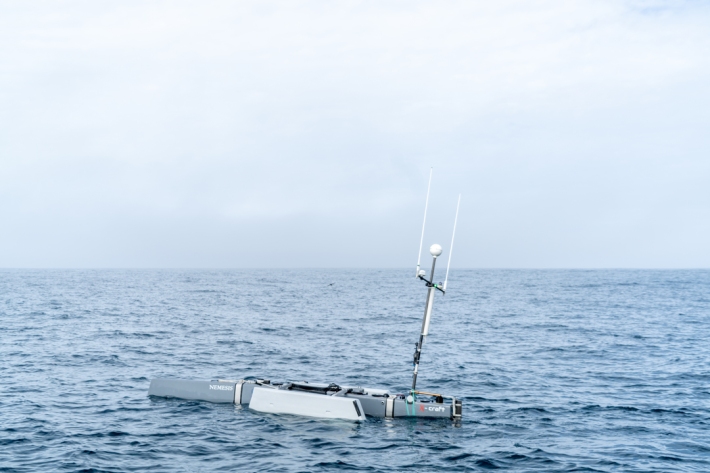
Cutting-edge AI sea craft helping scientists count fish
Media release21 February 2022A robot sea craft is the latest tool NIWA scientists are using to help them count fish. -
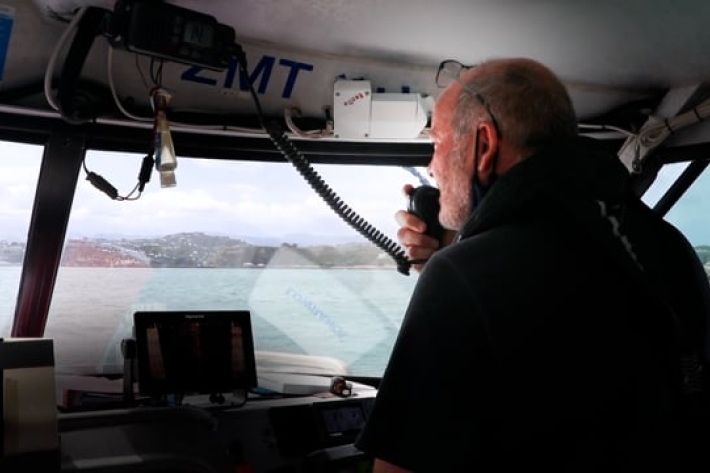
Mapping the oceans through citizen science
The Seabed 2030 South and West Pacific Ocean Data Center is one of four global Regional Centres, each being responsible for data gathering and mapping in their territory. -
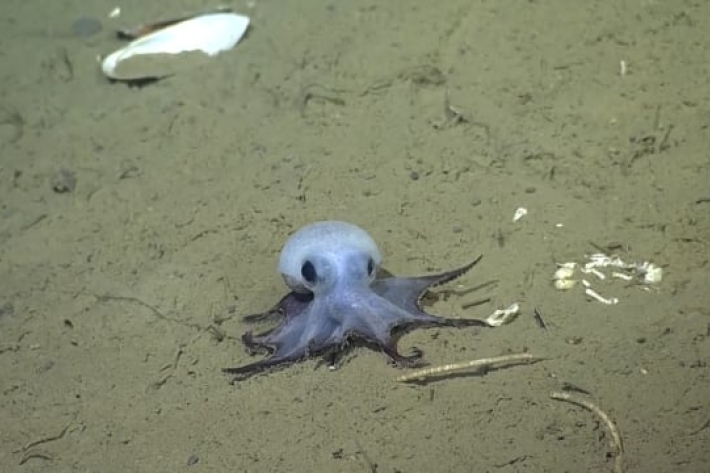
Exploring deep-sea oases
Deep below the ocean surface, life thrives in a world once thought to be inhospitable. -
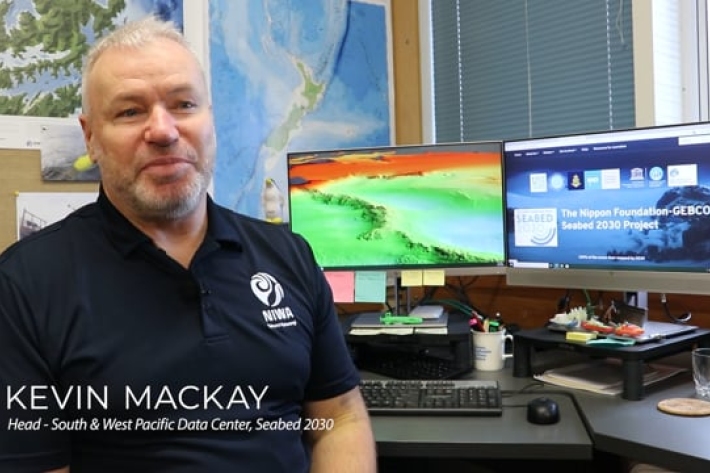
Seabed 2030
Did you know NIWA is leading a NZ partnership in a worldwide initiative to map the entire globe’s seafloor? Found out more about the Seabed 2030 initiative. -
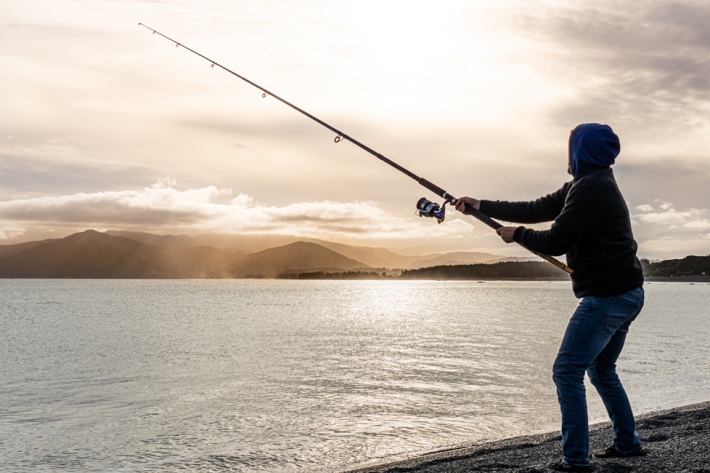
Will it be a fintastic fishing year?
Feature story30 December 2021A marine heatwave is happening all around New Zealand. Warmer waters are more pleasant for swimming in and can create wilder weather. But what do they mean for fishing? Let’s dive into the science behind getting a good catch. -
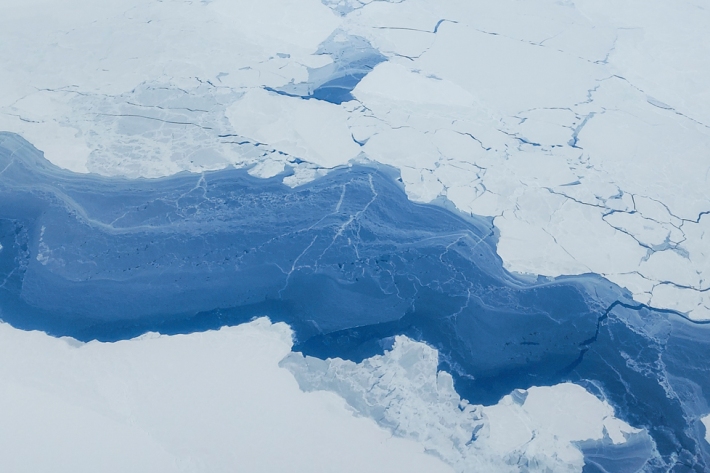
Studying a fragile and alien icy world
Feature story23 December 2021NIWA scientists are doing what no others have done before. In a mysterious world just below the Antarctic ice, a delicate web of ice crystals forms a habitat that’s unique and largely unknown. Until now… -
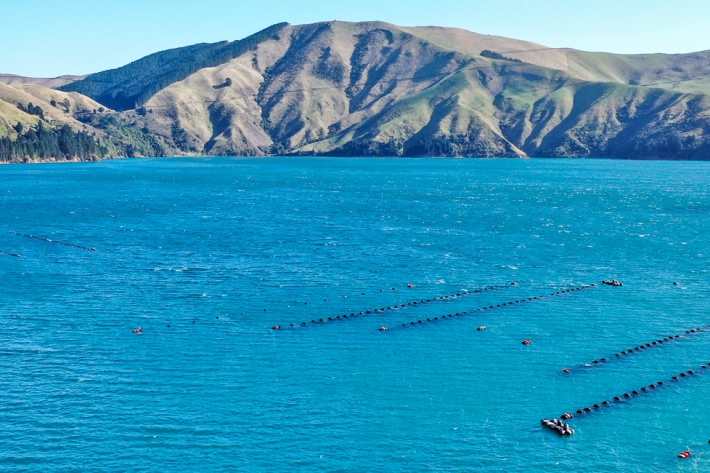
Rewilding green-lipped mussels
Feature story08 December 2021Local marine farmers, scientists and iwi have joined forces to turn the fate of wild mussels around.