-
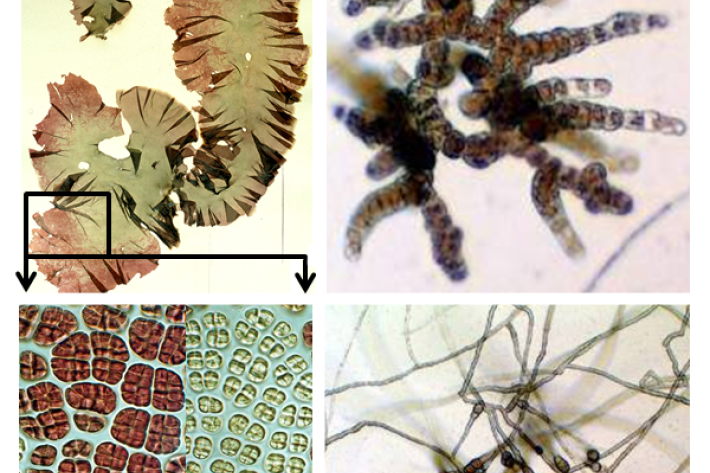
Reclassifying karengo (nori)
Research ProjectThe seaweed known colloquially as nori in Japanese - used for making sushi - or karengo in Maori has been reclassified by an international team of scientists including NIWA's Dr Wendy Nelson. -

Globalisation of aquatic plant pests
Research ProjectNew Zealand's geographic isolation and relatively recent colonization provide the opportunity for a unique genetic analysis of plant movement patterns to be explored. -

Sedimentation in New Zealand estuaries
Research ProjectEstuaries in New Zealand are experiencing sedimentation at higher rates than before humans arrived here: this represents a loss both for land and estuary productivity. We need to better understand what has been happening so that we can predict the future and fight these losses. -

Aquatic weed risk assessment model (AWRAM)
Research ProjectA significant threat to the biosecurity of New Zealand's freshwater habitats comes from plants that have been intentionally introduced. -

Controlling water weeds with grass carp
Research ProjectA Ministry for Primary Industries-funded study has shown that grass carp, in enclosures, can be used as an effective means of controlling invasive plant species in our waterways. -

Waikato River Independent Scoping Study (WRISS)
Research ProjectNIWA is involved in research and consultation' aimed at improving the health of our freshwater systems. -

Lake Brunner water quality
Research ProjectA project funded by West Coast Regional Council has increased our knowledge of the role of phosphorus in determining water quality in Lake Brunner. -

Lake Rotorua sediment-capping trial
Research ProjectMany New Zealand lakes are suffering from nutrient enrichment, causing potentially toxic blooms of blue-green algae. NIWA is testing a range of methods to manage phosphorus release from lake sediments – including sediment-capping agents. -

Risk assessment of contaminants in traditional food sources
Research ProjectGathering, eating and sharing wild kai (food) has always been a very important part of Māori culture and wellbeing - this research project aimed to characterise the risks associated with consuming kai collected from rivers, lakes and coastlines. -

Framework for interoperable freshwater models
Research ProjectThis project involves the development of a computer-based framework for freshwater models. The framework will be tested to proof-of-concept stage. -

Dissolved oxygen criteria for fish
Research ProjectNIWA has produced revised safe levels of dissolved oxygen for fish, which will help inform future environmental planning and resource consents and help to keep New Zealand rivers full of healthy fish. -
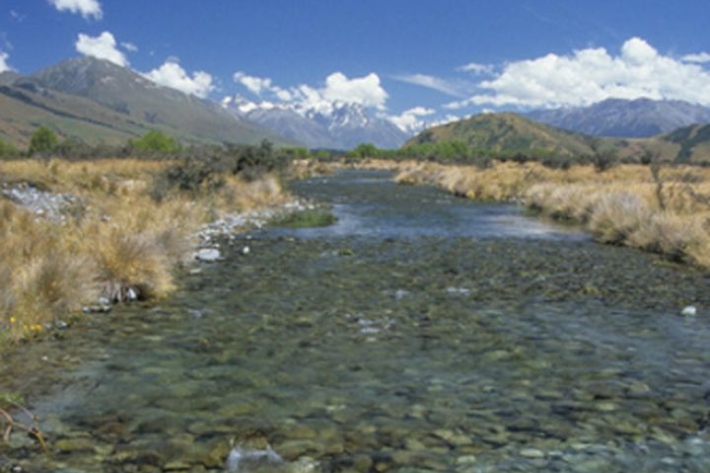
Stream restoration for aquatic invertebrates
Research ProjectStreams play a key role in the ecosystems of New Zealand’s unique landscape. They feed and link together freshwater sources, maintain good water quality and support habitats that sustain our biodiversity.