-
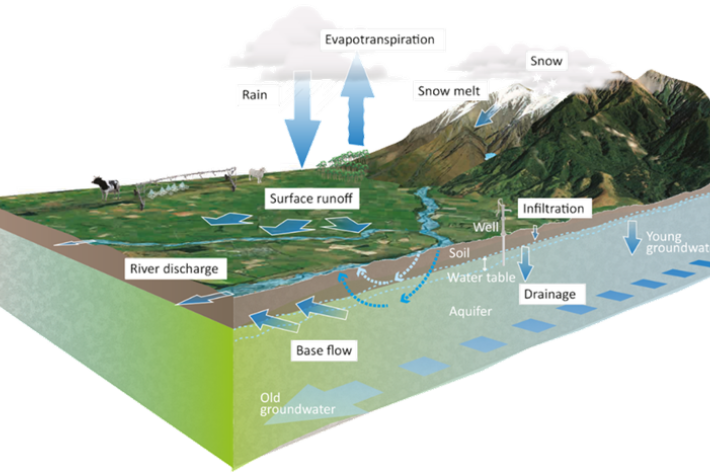
NZ Water Model - Hydrology
Research ProjectBringing together leading scientific organisations and regional councils, this project aims to develop a sophisticated computer modelling framework that will enable users to accurately predict how much freshwater is available, where it has come from, and how quickly it moves through New Zealand catchments. -
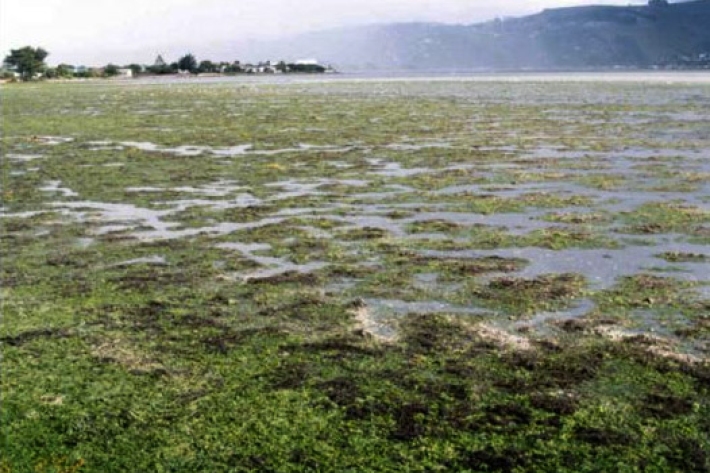
The New Zealand Estuary Trophic Index
Research ProjectExcessive nutrient input (eutrophication) threatens many New Zealand estuaries causing ecological problems, such as algal blooms and poor physical and chemical conditions for estuarine life. -
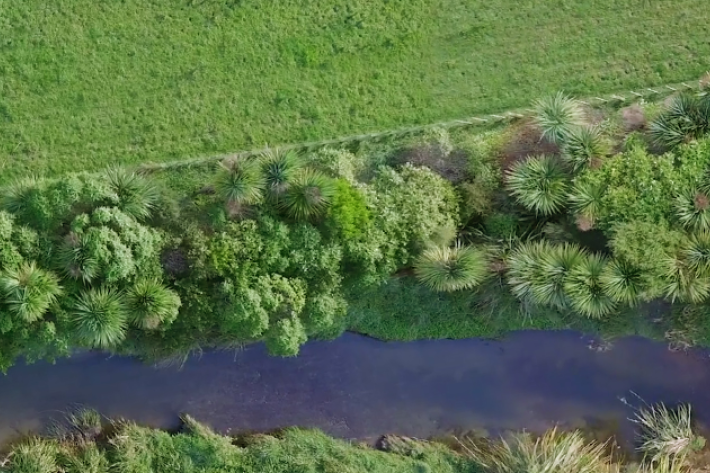
National riparian restoration database project
Research ProjectNIWA is undertaking a five-year nationwide study to find out how different approaches to riparian planting influence water quality improvements and to provide better guidance to the people and groups undertaking stream restoration. -

Water Quality Monitoring Capabilities
Research ProjectNIWA provides national capabilities in Water Quality Monitoring. -

On-Site Household Sanitation Guidelines for Fiji
Research ProjectA participatory project empowering communities with self-help tools to improve water, sanitation and hygiene. -
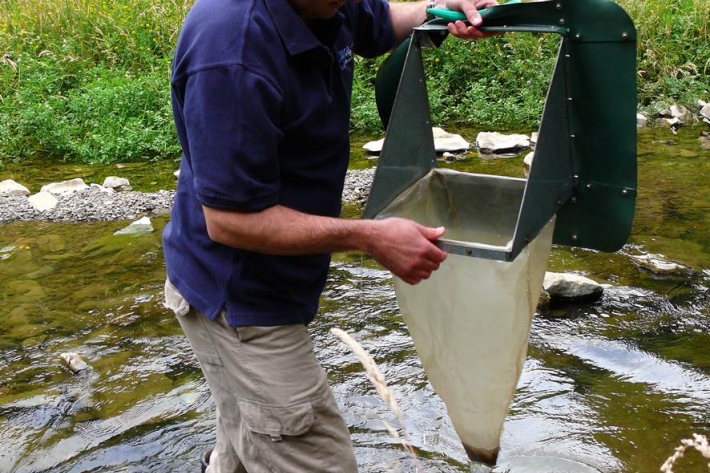
Freshwater monitoring and reporting
Research ProjectNIWA's research on freshwater monitoring and reporting is one of three research areas within the 'Values, Monitoring and Outcomes' (VMO) programme led by Landcare Research. -
What do we measure?
Research ProjectA range of physical and chemical variables are measured in the NRWQN. -
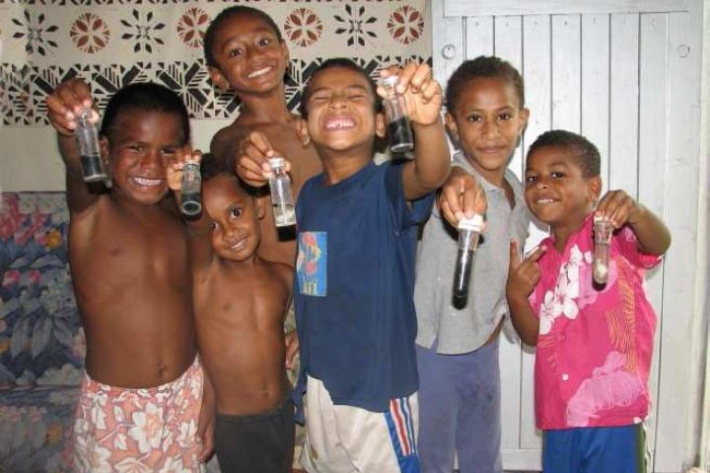
Development of sustainable water supply and treatment systems for a coastal Fijian village
Research ProjectThis collaborative NZaid project worked with coastal Fijian villagers at Votua on the Coral Coast of Viti Levu to develop pragmatic water supply and waste treatment solutions to protect public health and reduce contamination of coastal waters. -
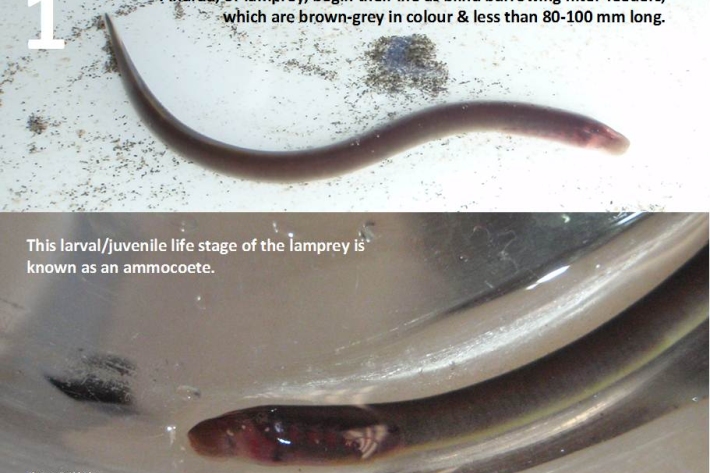
Restoration and enhancement of piharau / kanakana / lamprey
Research ProjectNIWA is leading a new six-year research project that seeks to increase our understanding of piharau/kanakana/lamprey, using Mātauranga Māori, social science and biophysical science approaches. -
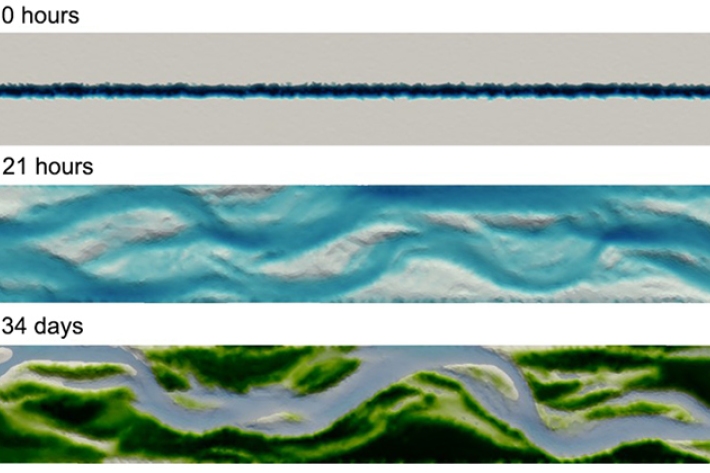
Modelling vegetation-impacted morphodynamics in braided rivers
Research ProjectNIWA is developing numerical models for predicting how the morphology of braided rivers responds to flow regulation and invasive exotic woody vegetation. -
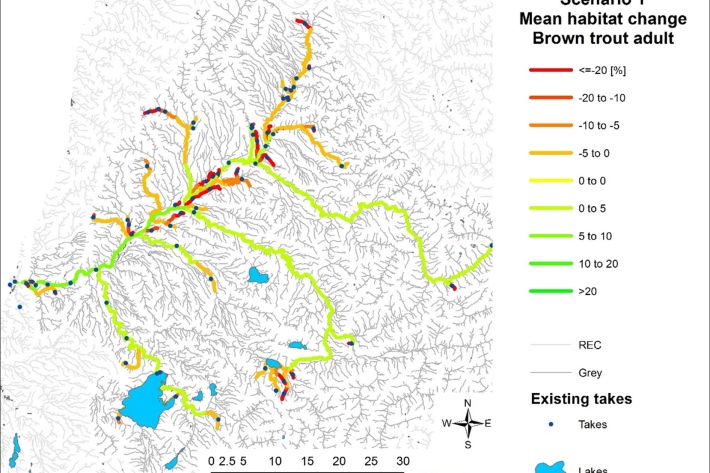
Managing water allocation on the West Coast
Research ProjectThis project investigated the capabilities and utility of NIWA’s Cumulative Hydrological Effects Simulator (CHES) tool for facilitating discussions and decision making associated with setting and applying water quantity limits in the Grey River catchment on the South Island’s West Coast. -
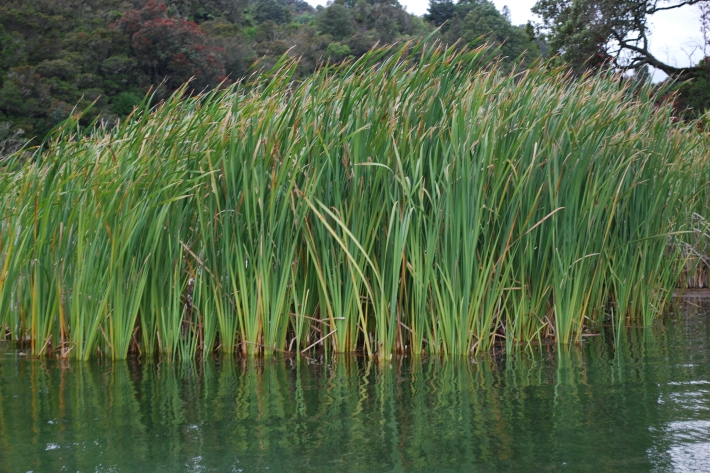
Ngā repo o Maniapoto - Maniapoto wetland inventory
Research ProjectThrough the Te Wai Māori fund Ngā Repo o Maniapoto is a collaborative project between NIWA and the Maniapoto Māori Trust Board (MMTB) Whanake Taiao team that looks to develop an inventory of repo and puna (springs) for the Maniapoto rohe.