-
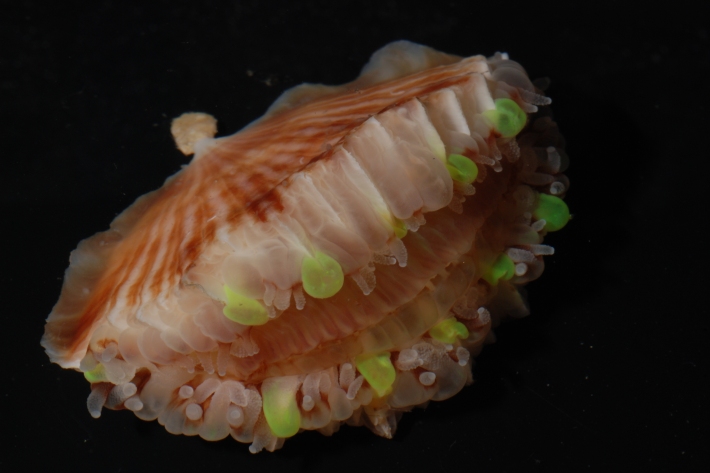
Critter of the Week: Flabellum (the dentures of the sea)
This fan-shaped beauty is large and solitary, with a widespread distribution throughout New Zealand and mainly lives on soft substrate in a broad range of depths (0 – 3200 metres). -
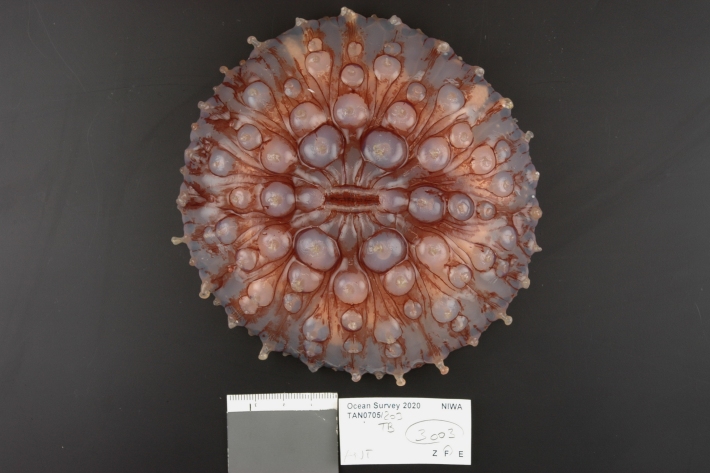
Critter of the Week: Corallimorphus niwa
Corallimorpharia are a group of cnidarians morphologically intermediate between sea anemones and stony corals. Like sea anemones (Actiniaria), they lack a calcareous skeleton but their internal anatomy and nematocysts are similar to stony corals (Scleractinia). In fact, phylogenetic studies have shown that Scleractinia and Corallimorpharia are closely related. -
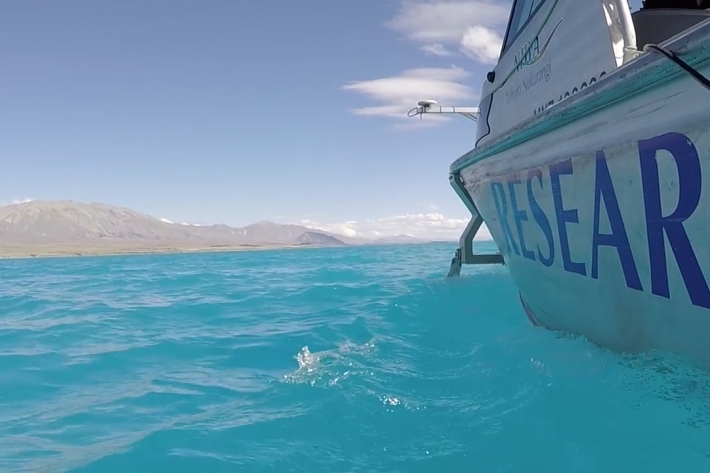
Lake Tekapo - a tsunami hazard?
NIWA scientists scan Lake Tekapo with the aim of finding out if submarine landslides can create a tsunami hazard for the Lake Tekapo township and hydropower infrastructure. -
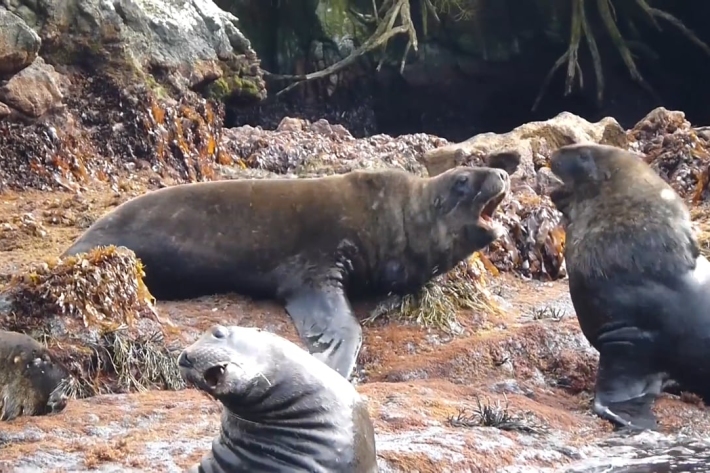
New Zealand sea lion mystery
The main breeding population of NZ sea lions at the Auckland Islands has declined by approximately 50% since the late 1990s. -
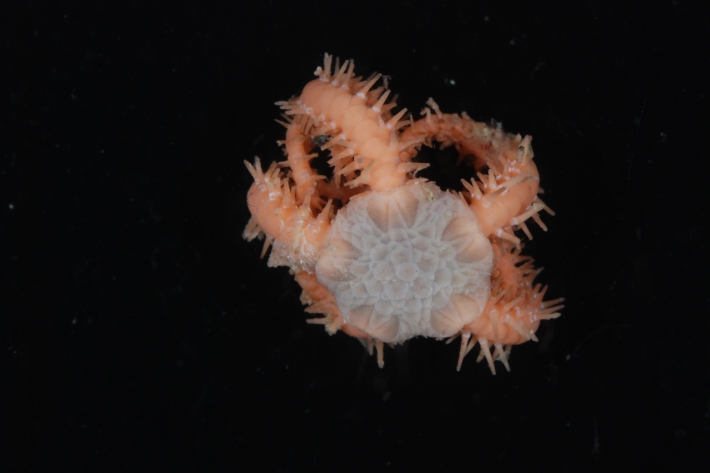
Critter of the week: Ophiactis abyssicola
Ophiactis abyssicola (Sars, 1861) is a very common deep sea species of brittlestar distributed throughout New Zealand waters and in temperate regions in the Pacific, Indian, and Atlantic Oceans. -
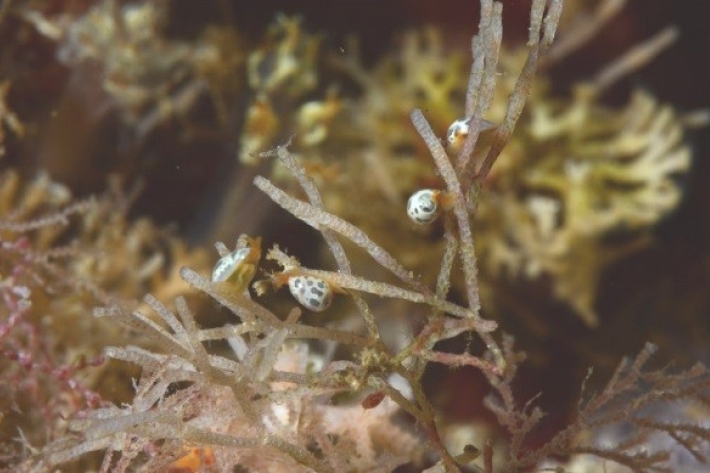
Critter of the Week: Gibberula ficula - rice snails
Gibberula ficula (Murdoch & Suter, 1906) are micro snails in the family Cystiscidae. -
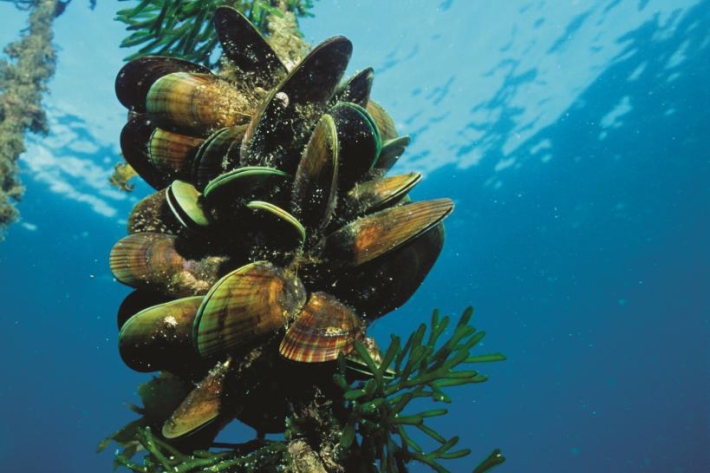
CARIM (Coastal Acidification: Rate, Impacts & Management)
Research ProjectA NIWA-led project to tackle coastal acidification in New Zealand. -

When the river meets the sea, scientists will be watching
News article02 March 2016Scientists are taking some high-tech equipment to Fiordland next week to find out more about what happens when a river meets the ocean. -
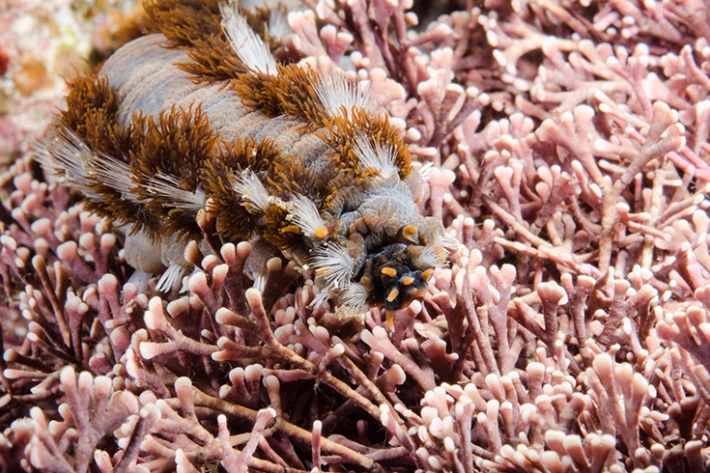
Critter of the Week: Amphinome rostrata - marine bristle worm
Amphinome rostrata (Pallas, 1766), in the polychaete family Amphinomidae, can be found living amongst goose barnacles (species of Lepas) on drift objects in tropical oceans worldwide. -

Scientists get boost to combat invasive marine pests
News article25 February 2016Work to protect New Zealand waters from an increasing number of invasive biological pests has received a funding boost to fight their spread. -
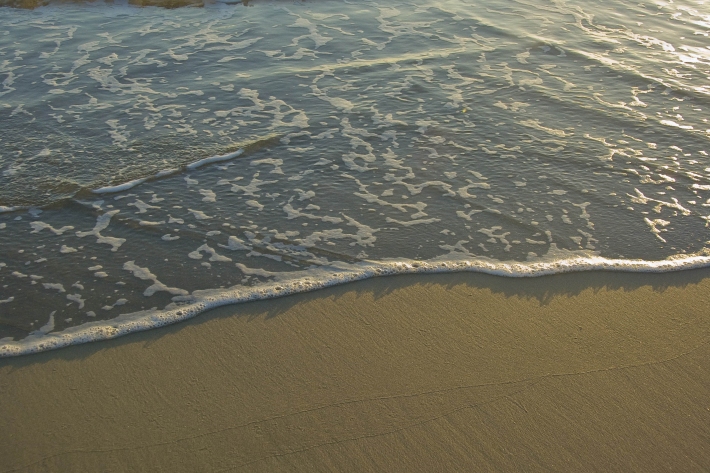
Mapping the ecosystem service potential of our coasts
Research ProjectEstuaries and coasts provide a wide range of benefits to New Zealanders – “ecosystem services”. However, we still don’t know enough about these ecosystem services – a challenge NIWA and other scientists are tackling with a new technique. -
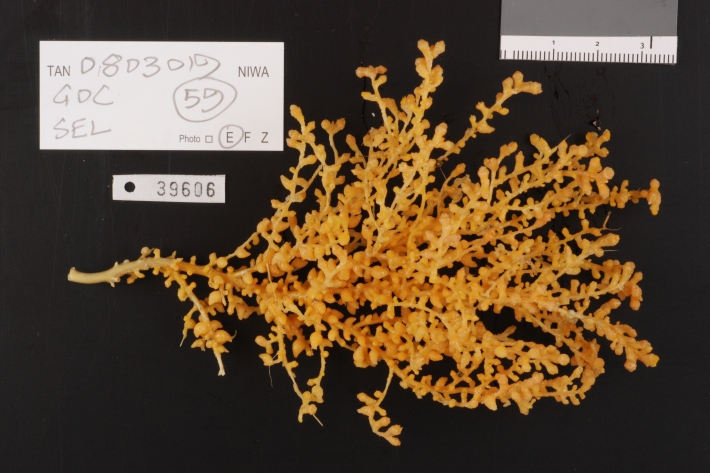
Critter of the Week: Tokoprymno and Thouarella
Despite our growing understanding of the role of Antarctica in driving global climate regimes and regional patterns of marine diversity, the distribution and connectivity among deep-sea species across the Southern Ocean remain poorly known.