-

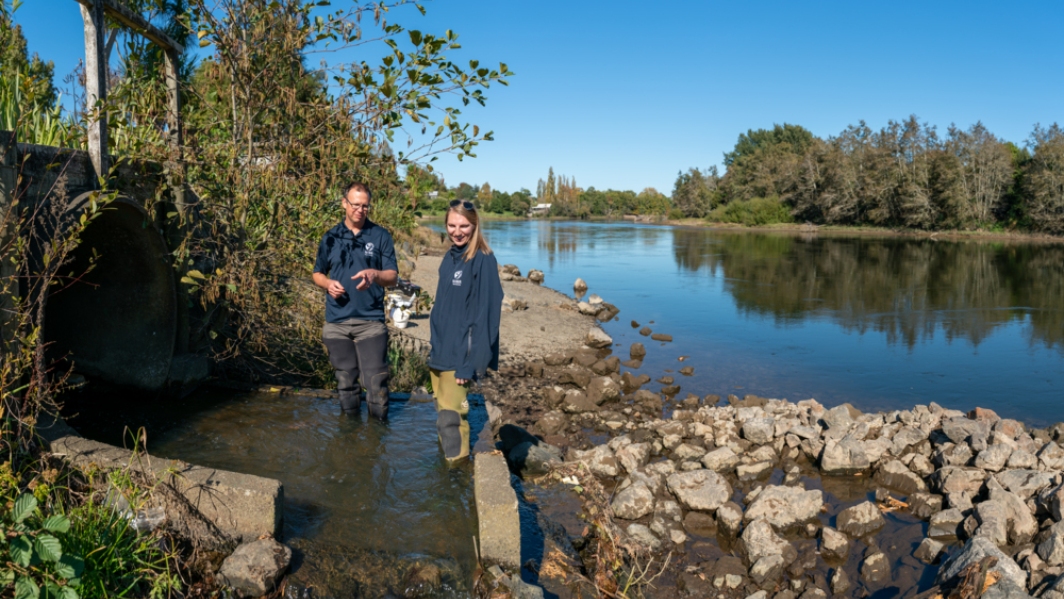
Field teams and forecasters cover monumental rainfall event
Feature story09 June 2021The prodigious rainmaker that hit Canterbury earlier this month saw NIWA field teams out in the elements collecting flood data from bridges, cableways and jetboat gaugings. -
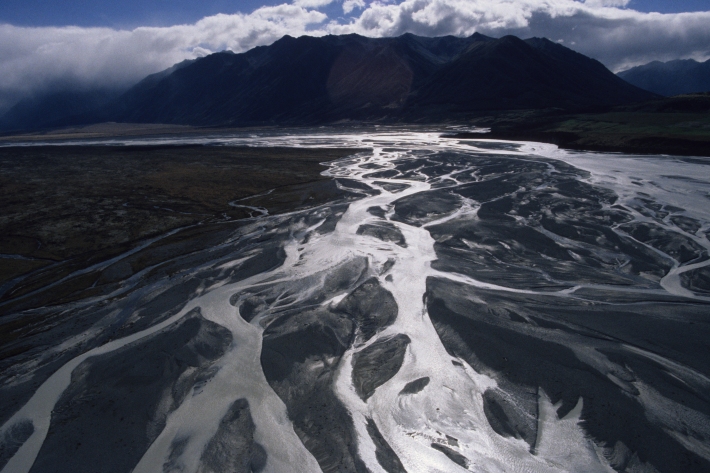
eFlows Explorer
Research ProjectThe eFlows Explorer webtool is designed to aid broad-scale river flow management planning across New Zealand -
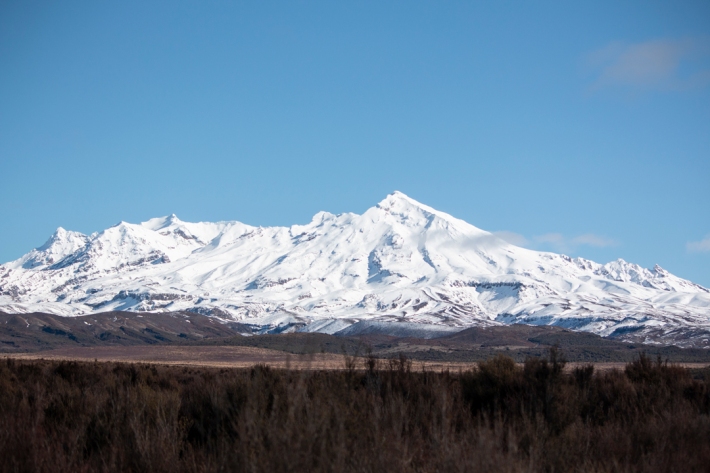
NIWA seeks help from skiers and snow bunnies
Media release24 May 2021A NIWA scientist is asking for the help of skiers, mountaineers and alpine professionals to collect snow for a new research project. -
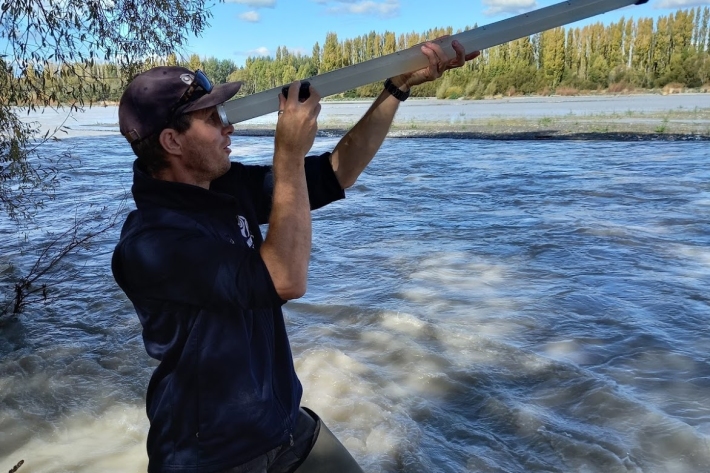
NIWA in the field: Sampling the Waimakariri
Feature story19 May 2021Environmental monitoring technician Patrick Butler has spent hours travelling between the upper and lower reaches of Canterbury’s Waimakariri and Hurunui Rivers. His mission – river water quality sampling. -
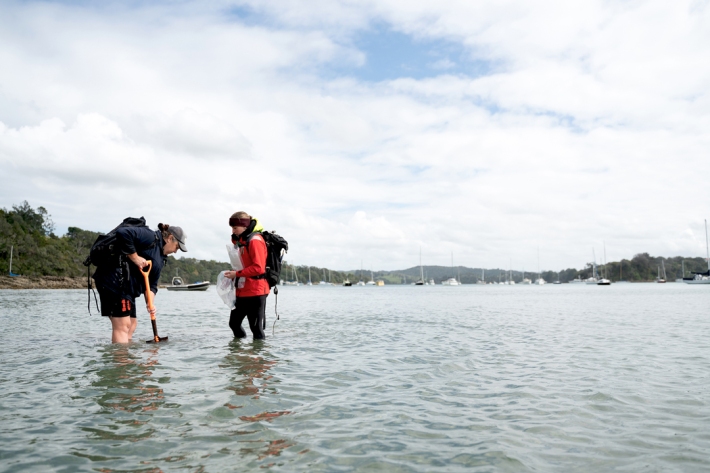
Keeping tabs on muddy waters
Feature story11 February 2021Sam Fraser-Baxter heads out with a NIWA research team keeping a close eye on these vulnerable transition zones. -
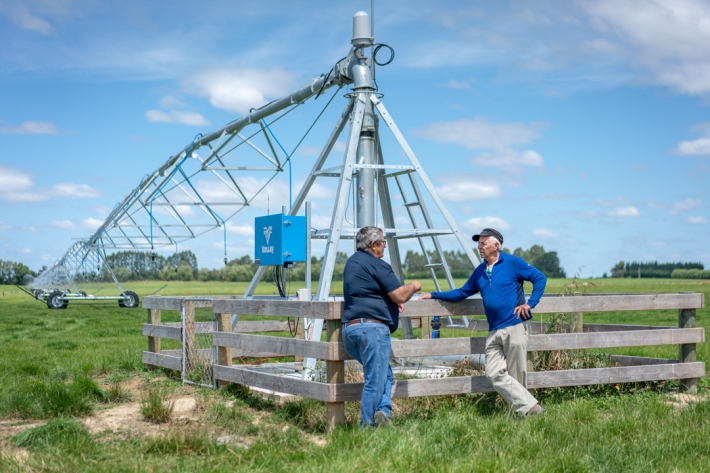
The future shape of water
Feature story11 February 2021Susan Pepperell looks at some of the tough decisions looming around access to freshwater and how science is helping with solutions. -

Diquat use for submerged weeds
Diquat is a herbicide (chemical) that has been used in New Zealand for many decades for submerged (underwater) weed control and also on agricultural crops. It is registered for freshwater use in New Zealand. -
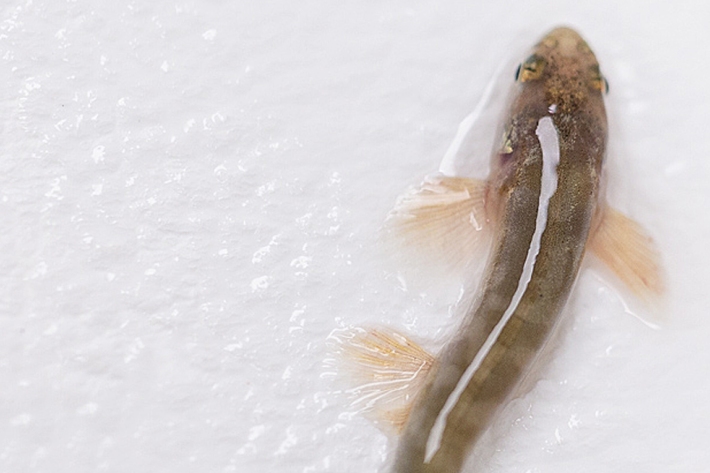
How does a fish climb a ramp? Very, very cleverly…
Feature story18 January 2021New Zealand’s native fish are doing their best to climb up ramps in a NIWA laboratory so scientists can learn how to better help them navigate our tricky waterways. -
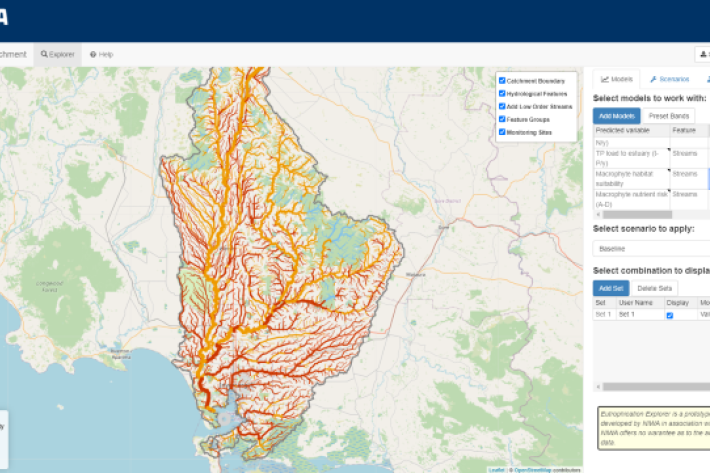
Eutrophication Explorer
A web application tool to explore monitoring data and model predictions related to stream and estuary eutrophication -
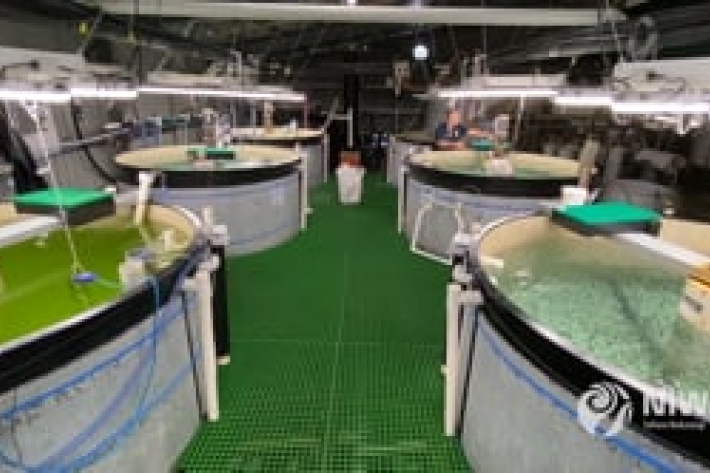
How to farm fish on land
Dr Alvin Setiawan talks about recirculating aquaculture systems. -
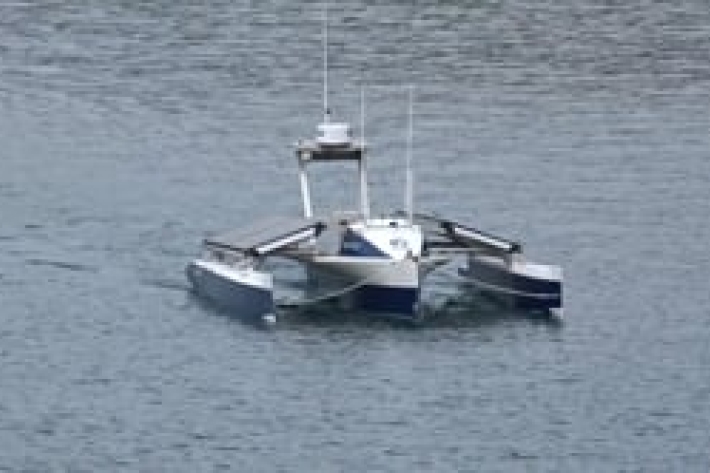
Scientists use an autonomous vessel
A six metre-long autonomous trimaran fitted out with a NIWA echosounder is being used as part of an innovative research collaboration. -
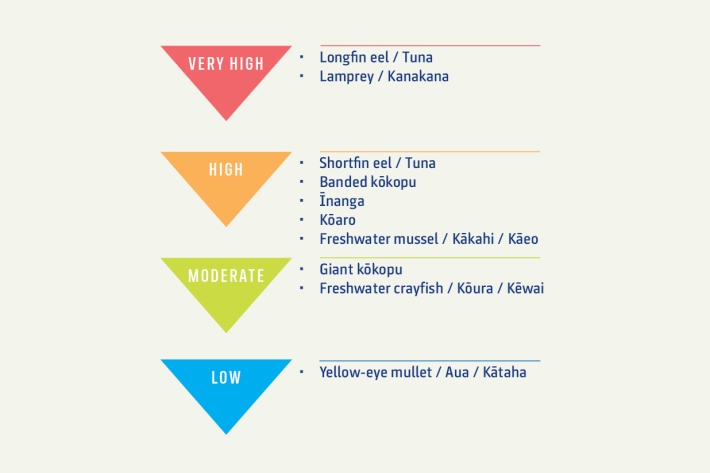
Freshwater species show vulnerability to climate change
Media release15 September 2020A new study has identified seven freshwater species native to Aotearoa-New Zealand that will likely be highly or very highly vulnerable to climate change.