-

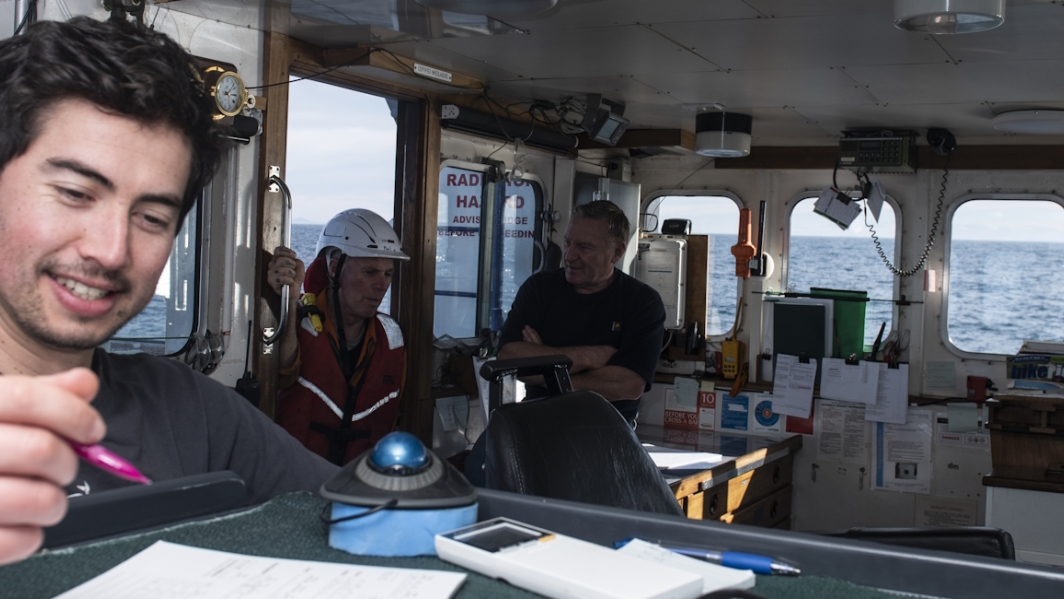
Commercial catch sampling
The Otolith is the earbone of the fish and like the rings on a tree it can tell us about the story of the fish's life. -

Retired scientist completes four-decade-long bibliographic work
Media release21 September 2021After 40 years of work, retired NIWA fisheries scientist Larry Paul has just published a 793-page bibliography of references to New Zealand marine fishes. Everything known and ichthyological that appears in our waters is referenced in the voluminous tome. -

Surveying scallops populations with artificial intelligence
Developing innovative, non-invasive alternatives for surveying scallops and harvesting. -
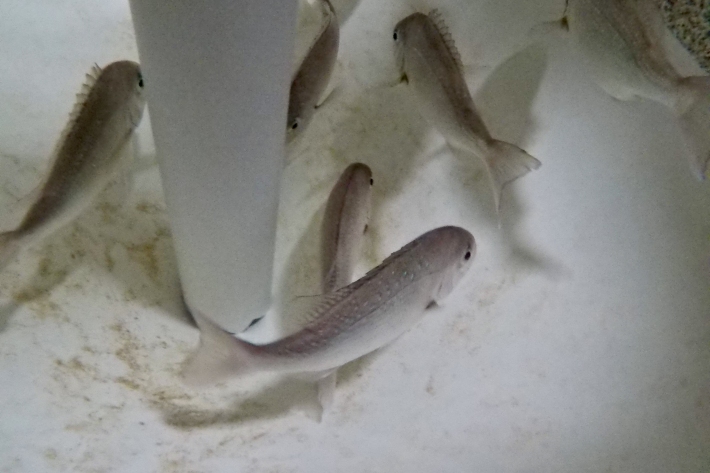
Research finds microplastics in fish muscle tissue
Media release18 March 2021Some of the first research into how microplastics are affecting New Zealand fish species has revealed that microplastic fragments can find their way through the gut lining and into muscle tissue. -
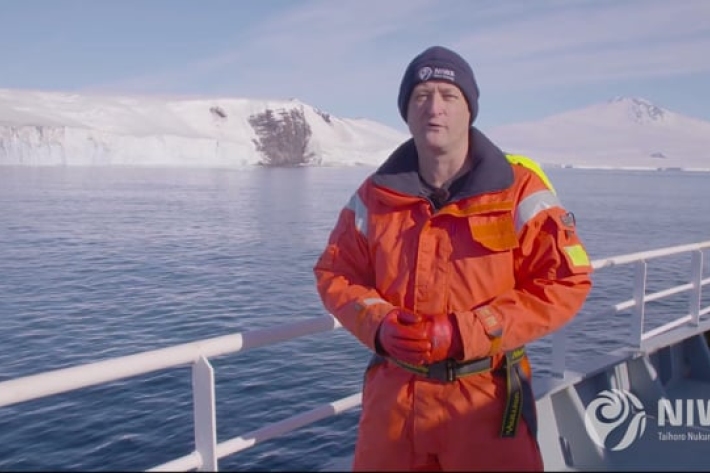
Examining biodiversity and ocean dynamics in the world’s largest marine protected area
Researchers are working their way through a wealth of new Antarctic marine data after RV Tangaroa successfully completed its five week scientific voyage to the Ross Sea. -
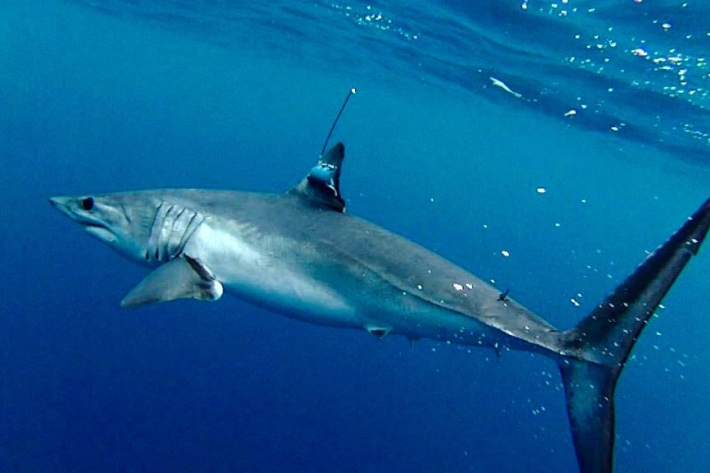
Oceanic shark numbers decline amid research gaps
Media release03 February 2021A lack of information about New Zealand oceanic shark populations is making it difficult to assess how well they are doing, says a NIWA researcher. -
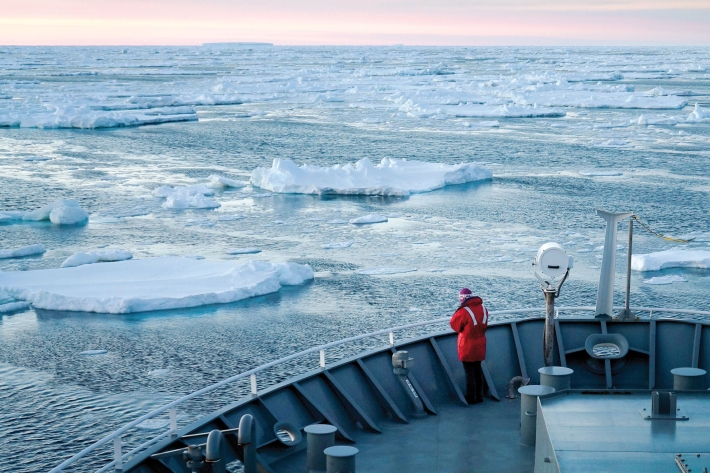
NIWA heads to Antarctica for critical climate, ocean research
Media release08 January 2021NIWA’s flagship research vessel Tangaroa leaves soon on a six-week voyage to Antarctica, making it one of the few full scientific expeditions to the continent since the global outbreak of COVID-19. -
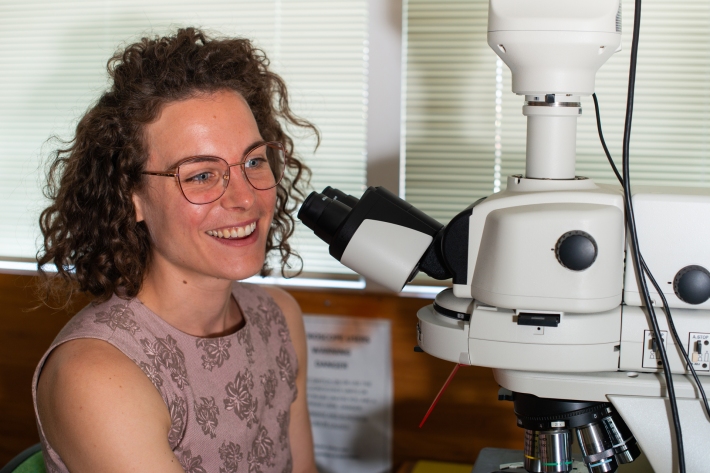
Scientist spots shark sperm storage strategy
Feature story06 January 2021A NIWA researcher has found the first evidence that female deep sea sharks store sperm as a strategy to preserve the species and possibly avoid aggressive mating encounters. -
Hoki eggs reveal their secrets
Hoki is New Zealand's largest finfish fishery. Their eggs reveal a few secrets that surprise scientists. -

Crayfish catch sampling
Marine ecology technician Mark Fenwick takes us onboard a fishing vessel for a day of catch sampling. -
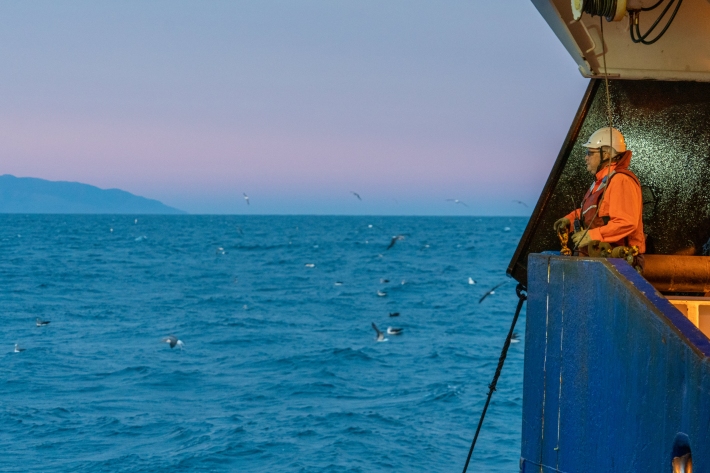
2020 - Subantarctic survey
VoyageThis month-long fisheries trawl survey on the RV Tangaroa, aims to estimate the relative abundance of hoki, hake, ling and other middle depth fish species in the Southland and subantarctic areas. -
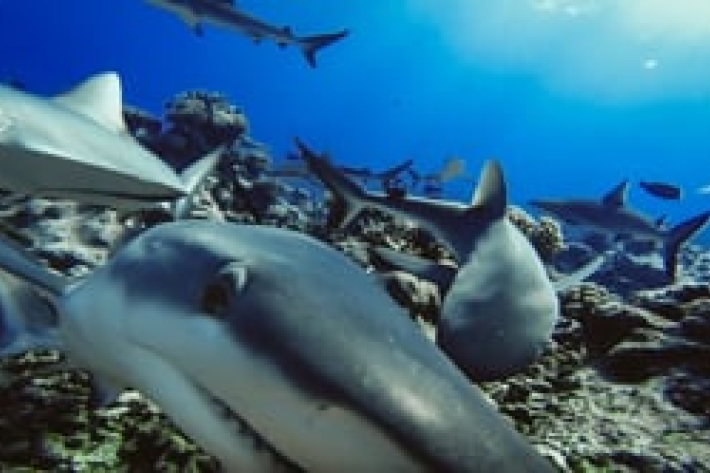
Dr Jade Maggs talks about reef sharks
A global survey involving 123 scientists from 58 nations raises concerns about the global status of reef sharks.