
NIWA provides a multitude of monitoring and information services underpinning New Zealand's science and environmental management: sky-to-sea, sensor-to-service, data-to-knowledge.
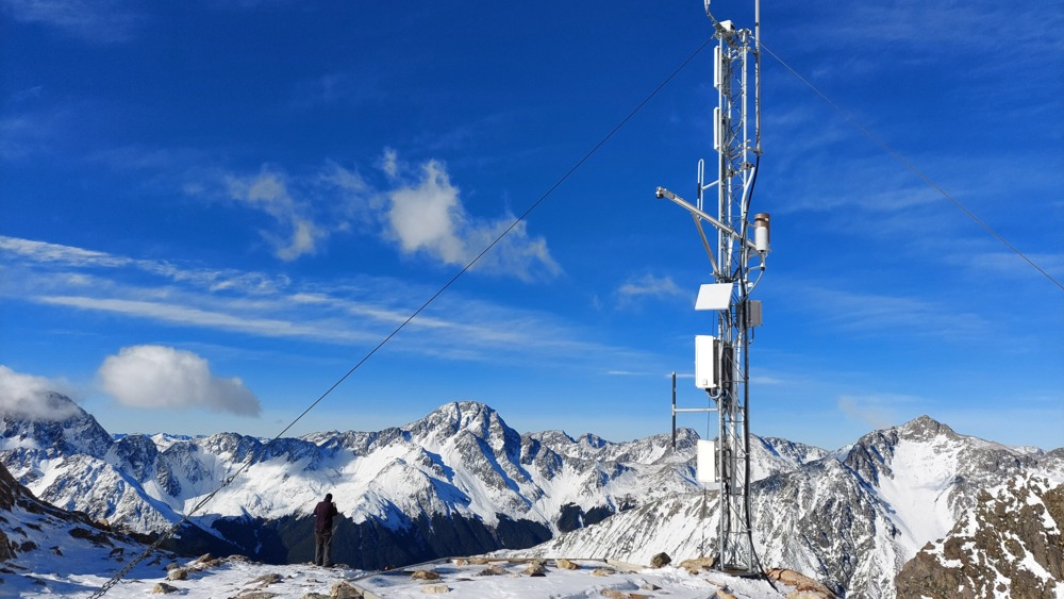
New Zealand's National Climate Database
The climate database holds data from about 6500 climate stations which have been operating for various periods since the earliest observations were made in the year 1850. The database continues to receive data from over 600 stations that are currently operating.
Environmental Information-
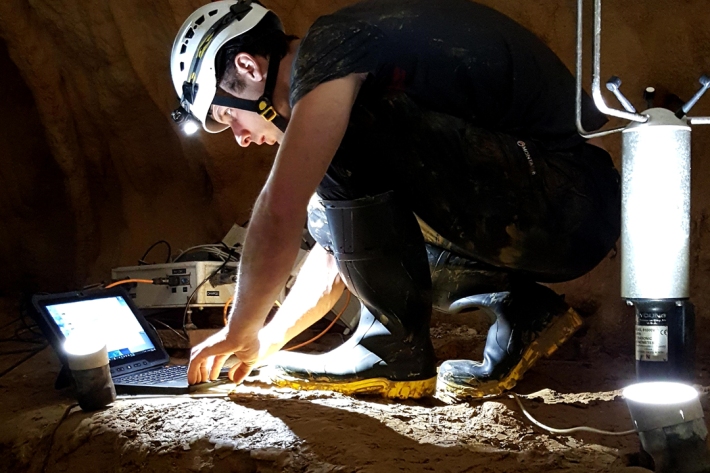
Subterranean sensing
Media release29 October 2020Once a year, technicians from NIWA’s North Island Field Team don helmets and head lamps to check a network of CO2 sensors in the world-renowned Waitomo Caves. The sensors help make sure that heavy breathing visitors aren’t wrecking the caves’ precious natural structures and microclimate. -

The Cylc Suite Engine
Cylc: a general purpose workflow engine that orchestrates cycling workflows very efficiently. -
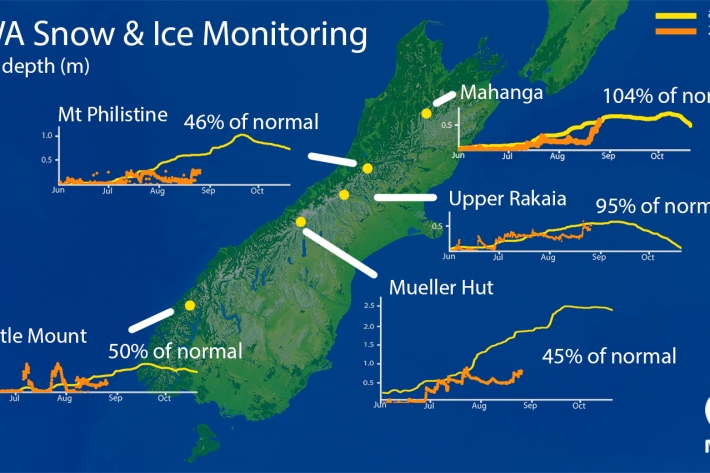
Snow has been low but there’s more to come, say scientists
Media release26 August 2020NIWA’s South Island snow and ice monitoring stations have confirmed what many skiers have been talking about: winter has been dry and snow coverage has been poor. In fact, several sites have recorded half their typical snow depth for this time of year. -

Rust coding
Feature story28 July 2020Campbell Gardiner explains how hundreds of lines of computer code generated each week are helping biosecurity authorities keep a close eye on a plant pathogen. -
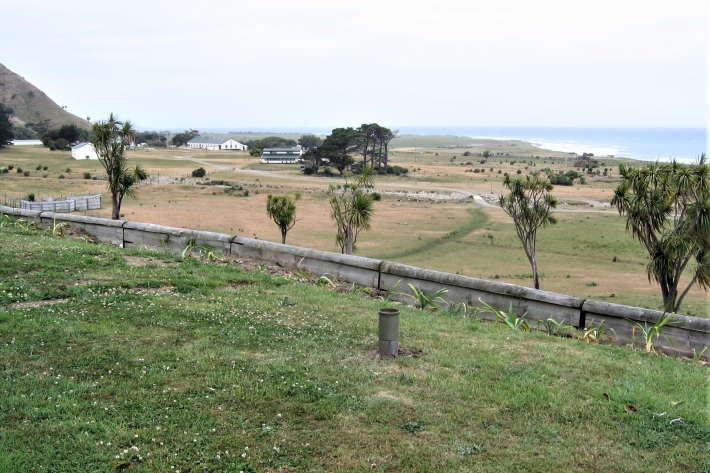
Citizen science – New Zealand rainfall monitoring network
For more than a century, a network of volunteers across New Zealand have been measuring the climate and weather and sending their observations each month to be entered into the New Zealand climate database. -

Hitting the high notes
Feature story01 February 2020Dr Kameron Christopher plays a mean sax. Campbell Gardiner checks in with NIWA’s new Chief Scientist for High Performance Computing and Data Science. -
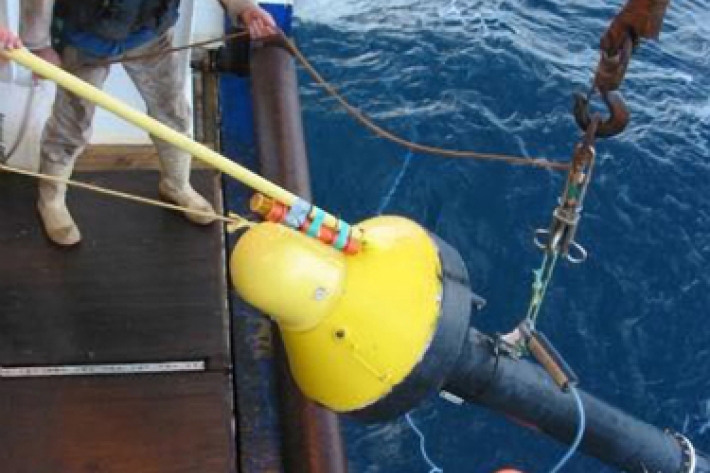
Planning an ocean observation network
Media release03 October 2019New Zealand’s changing ocean environment has prompted the call to develop a system that will keep closer tabs on information from scientific monitoring buoys so the data they produce can be shared as widely as possible. -
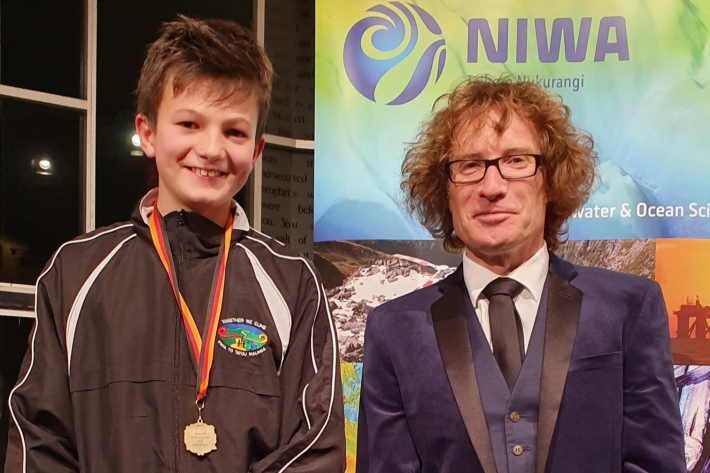
Student buzzing after winning Waikato science fair
Media release22 August 2019A 12-year-old has taken on the most damaging honey bee parasite in the world to win the NIWA Waikato Science and Technology Fair. -

Snow and Ice Network
Research ProjectNIWA has established a network of high elevation electronic weather stations to provide a solid basis to understand seasonal patterns and long-term changes to seasonal snow and ice in alpine regions of New Zealand. -

Cost-effective sampling for urban streams and stormwater
Water quality in urban streams and stormwater systems is frequently poor and highly variable, across both space and time. -

NZ from Space - About
AQUA and TERRA are polar orbiting satellites that both pass over New Zealand twice per day. -
NZ Freshwater Fish Database Help
Learn how to use the New Zealand Freshwater Fish Database (NZFFD)