
-
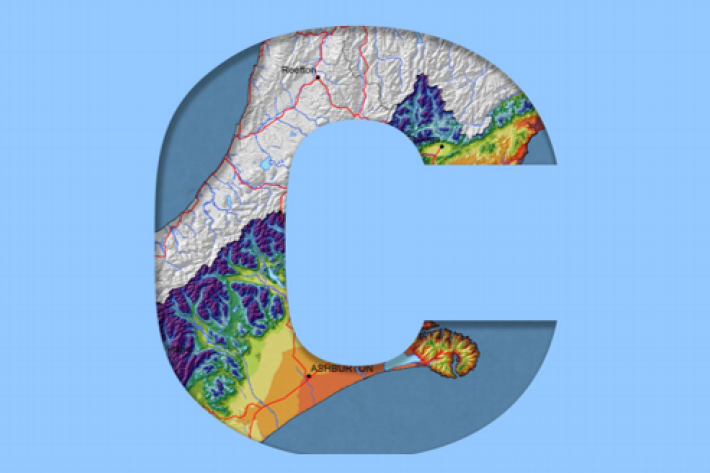
Canterbury
All aspects of the climate of Canterbury are dominated by the influence of the Southern Alps on the prevailing westerly airflows. -
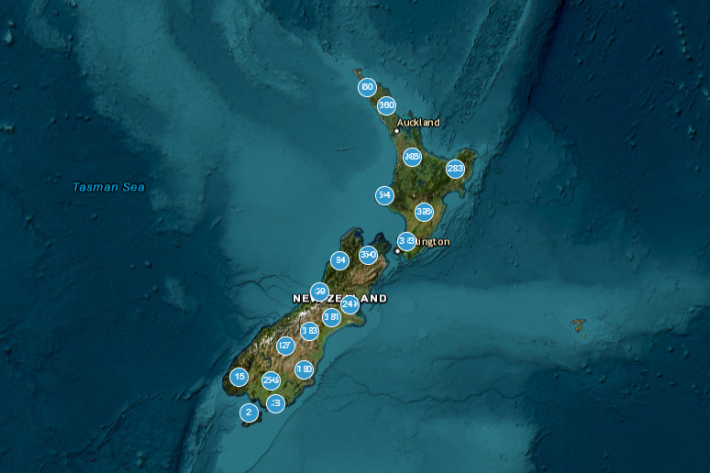
HIRDSv4 Usage
ESNZ's High Intensity Rainfall Design System (HIRDS) offers planners and engineers more certainty about the frequency of high-intensity rainfall events, enabling them to better design stormwater drainage, flood defence systems and other vital structures. -

Tornadoes - how frequently do they hit New Zealand?
News article06 June 2017Tornadoes, like the one that hit Auckland's western suburbs today, are relatively rare events in New Zealand. -
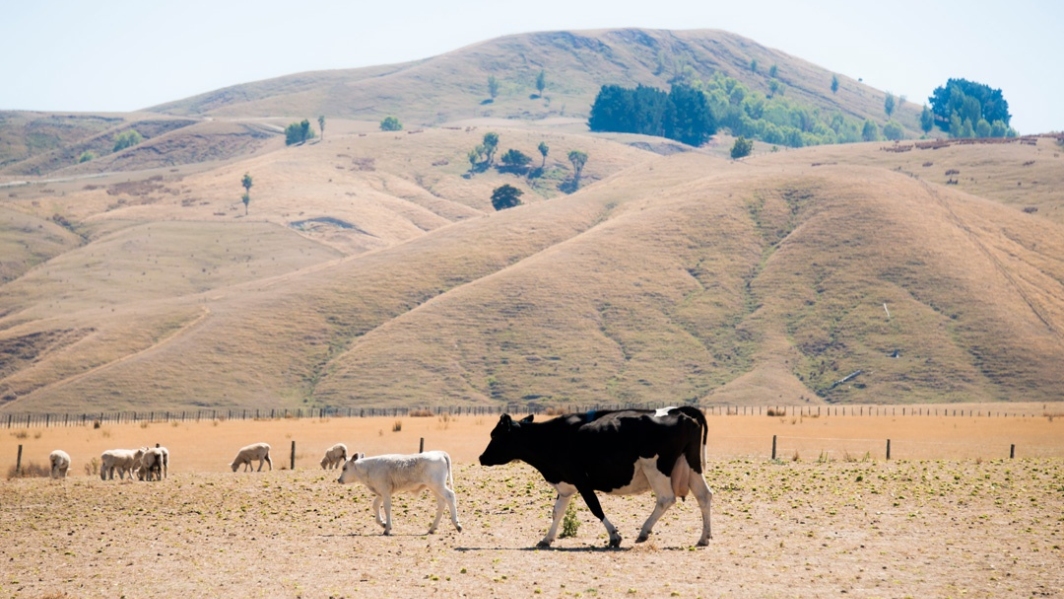
Drought
Education ResourceDefining drought and identifying its causes and impacts on humans. -

What is Ocean acidification?
NIWA oceanographer Dr Cliff Law explains the impacts of ocean acidification on organisms that use carbonates to build their shells, and on bacteria. -
Mean monthly sunshine (hours)
These datasets are available in a range of formats. -

Generating synthetic wind data
Research ProjectNIWA has recently created synthetic, multi-year, 10-minute wind datasets at 15 wind farm sites across New Zealand. These will be used by the Electricity Commission to model the impact of wind farms on the national grid. -
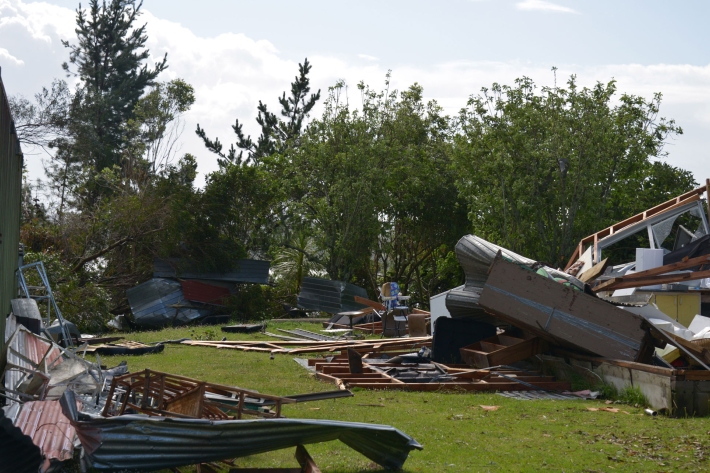
Extreme weather - winds and tornadoes
Education ResourceDue to its position in the 'Roaring Forties', a belt of strong winds in the Southern Hemisphere which generally occur between the latitudes of 40 and 49 degrees, as well as its small size, New Zealand is a windy country. -
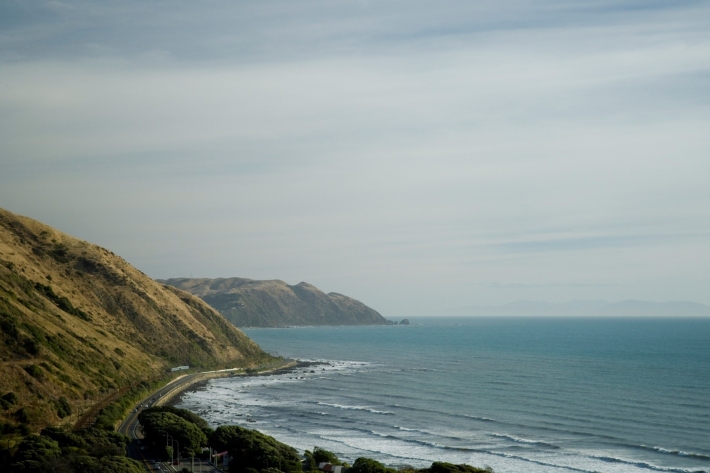
Special Climate Statement 2017-18 Summer
Sea surface temperatures in the southern Tasman Sea rose to exceptionally high levels in late 2017 and early 2018. These temperatures were far above any others previously observed at that time of year in the region, and extended west from New Zealand to Tasmania and mainland southeast Australia. -

Ideas for projects using climate data
Education ResourceIdeas for projects using climate data -
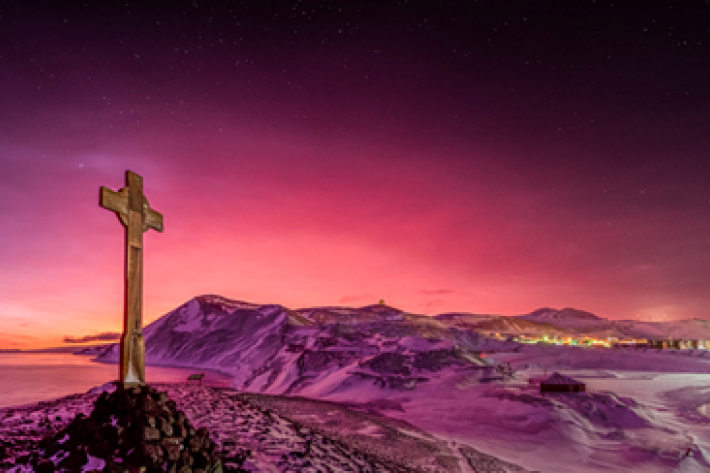
Tonga volcano “afterglow” causes dazzling skies in Antarctica
Media release06 June 2017Antarctica is experiencing stunning skyscapes like those recently seen in New Zealand, thanks to the afterglow effect from the Tongan volcano.