-
NZ's warmest and wettest winter on record
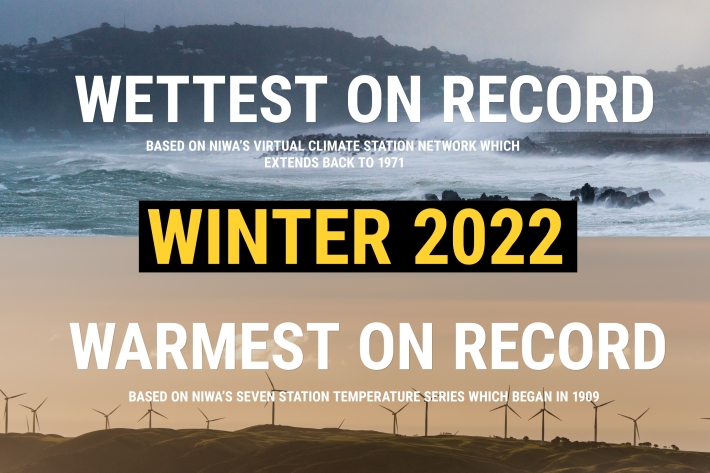
Media release06 June 2017NIWA’s climate scientists can now confirm what you may have suspected. After carefully poring through more than a century’s worth of data, it has been officially determined that winter 2022 was Aotearoa New Zealand’s warmest and wettest on record. -

Map Alpine
Education ResourceMountainous areas are subject to heavy snowfalls, high winds, and low temperatures. Semi-permanent snow and ice fields exist at about 1000-1100 metres during winter. -
How do we determine past climate?
Information about past climate is obtained from piecing evidence together from various sources. -
Southland
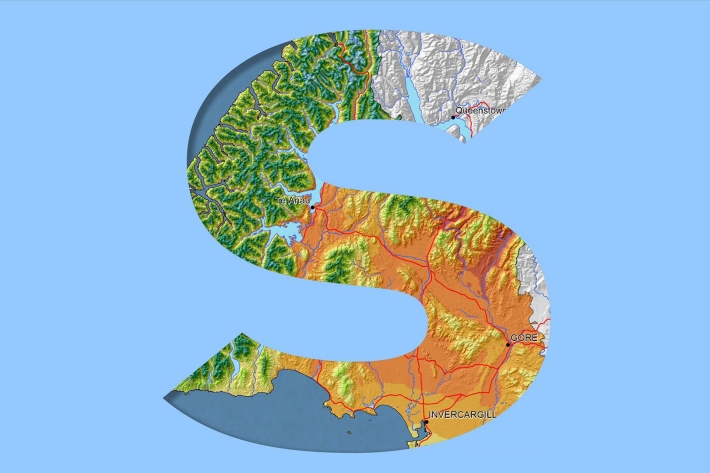
Southland is both the most southerly and most westerly part of New Zealand and generally is the first to be influenced by weather systems moving onto the country from the west or south. -
Map C North
Education ResourceAs this region is sheltered by high country to the south and east, it has less wind than many other parts of New Zealand. -
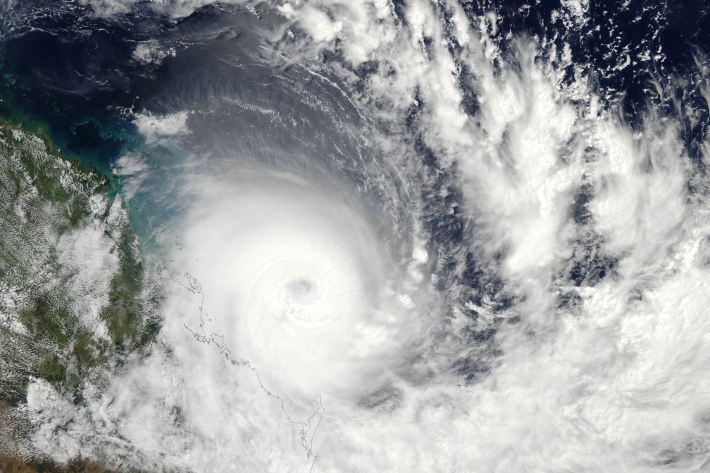
Southwest Pacific Tropical Cyclone Outlook
Publication seriesA summary of up-coming tropical cyclone seasons, issued 6-monthly. -
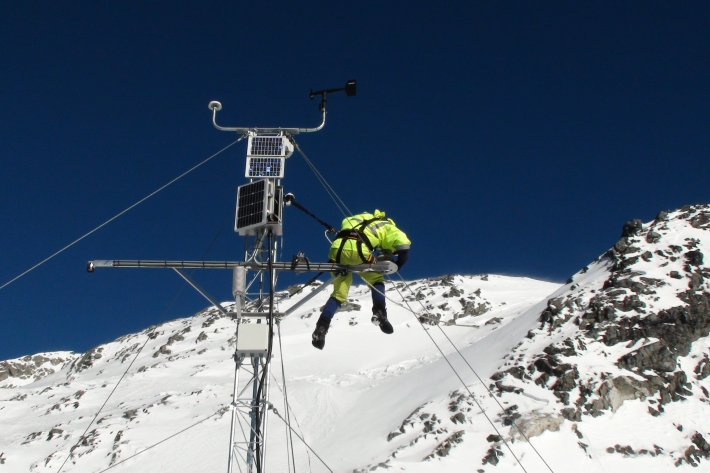
Regional modelling of New Zealand climate
Research ProjectDeveloping probabilistic scenarios of expected future regional climate changes. -
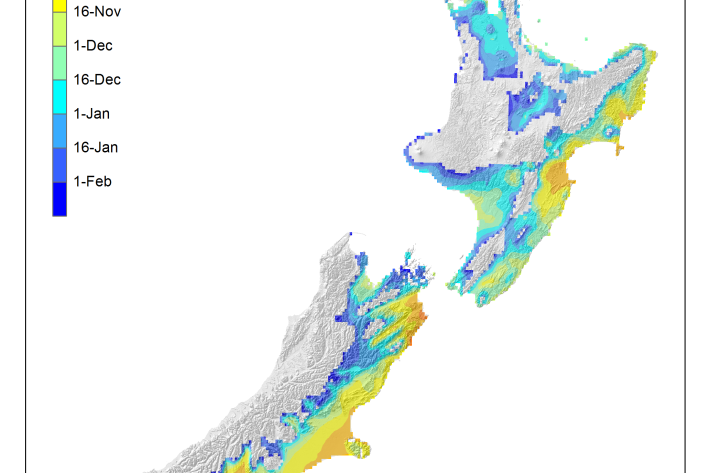
Average soil moisture deficit onset and termination maps
Maps of the average first and last dates of soil moisture deficit are shown here. -
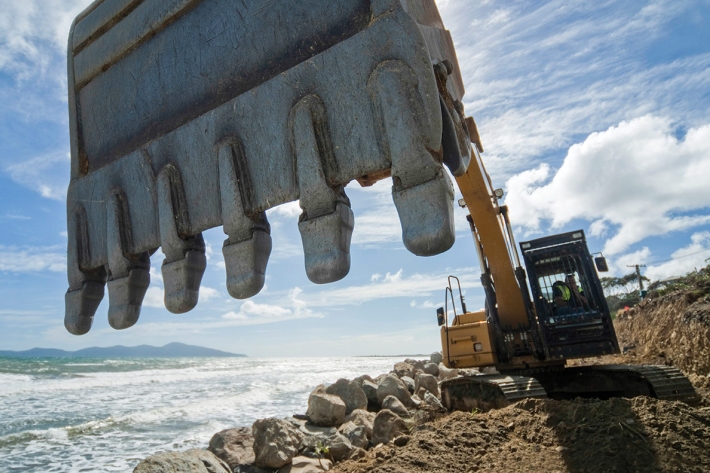
Shifting Sands – the end of a Kiwi dream
Feature story06 June 2017The Kiwi dream of owning a beachfront property with panoramic views of the ocean is under threat—and not just for financial reasons.