-

Scientists mark 10th anniversary of ocean acidification research
Media release09 October 2017A decade of scientific research into how ocean acidification is affecting New Zealand waters has led to far greater understanding of the vulnerability of our marine ecosystems, according to a newly published review. -

Breaking the ice
Feature story08 October 2017The Deep South National Science Challenge is one of New Zealand’s most audacious collaborative projects in recent times. -

From sea ice to sea bed
Feature story08 October 2017Pioneering NIWA scientists are returning to the cold continent in October, this time to focus on the seabed. -

Intensity of cyclones predicted to increase
Feature story05 October 2017Tropical cyclones forming in the south-west Pacific are becoming less frequent but those that do form are likely to be more severe. -
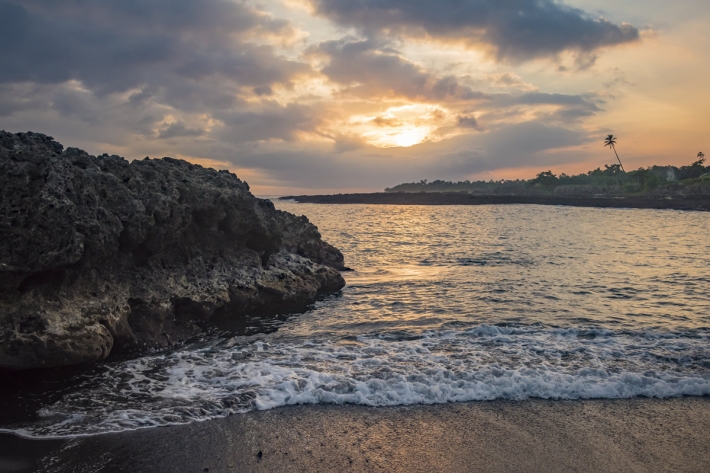
Improved climate information and services in Vanuatu
Feature story05 October 2017The construction of improved climate information and services in Vanuatu has posed unique logistical challenges. -
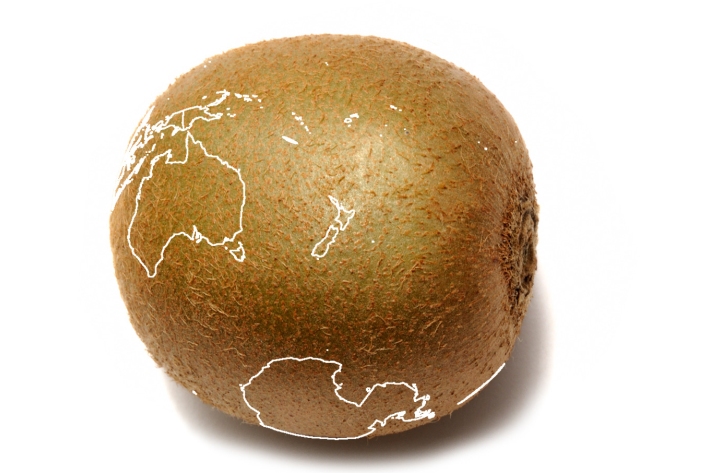
Production of Hayward kiwifruit in Bay of Plenty at risk from climate change
Media release15 September 2017The most commonly grown variety of kiwifruit around Te Puke will not be commercially viable in the area by the end of the century, say scientists. -
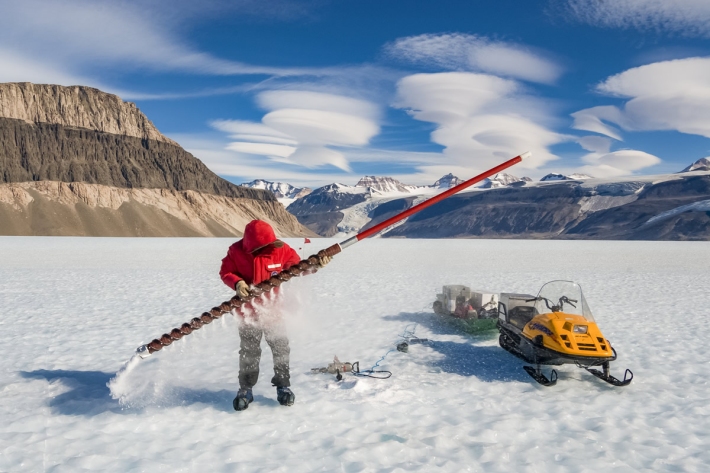
Tiny air bubbles reveal new information about greenhouse gas emissions
Media release24 August 2017Sitting at the surface of Taylor Glacier in Antarctica, are layers of ice more than 10,000 years old. And trapped inside those layers are bubbles of ancient air – like tiny time capsules - able to tell scientists a story about what the world used to be like and how humans have changed it. -
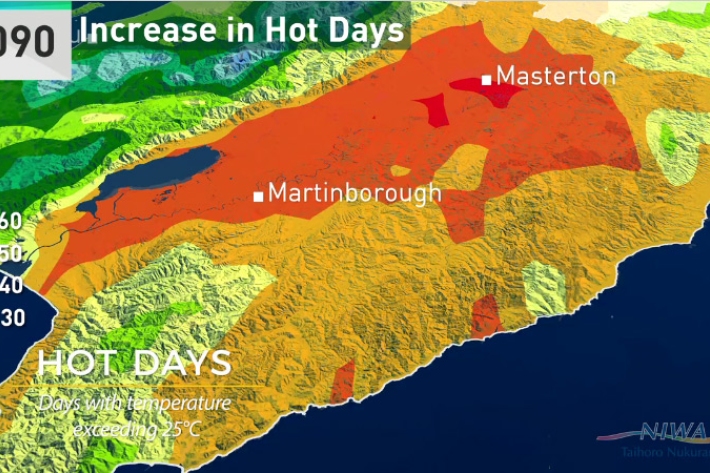
Wellington will get significantly warmer, new climate change report shows
Media release07 August 2017Wellington city will have warmer autumns, almost a month of days over 25°C and up to 10 per cent more winter rain by 2090, according to a new NIWA climate report. -
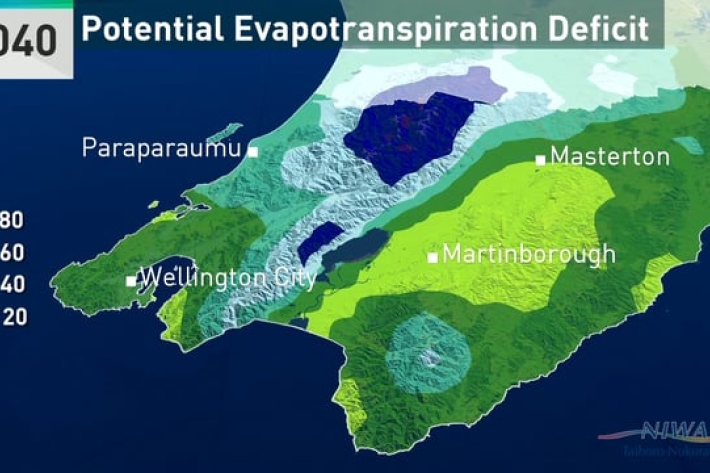
Climate change and variability - report for the Greater Wellington Region
-
Climate change will cause more deaths from air pollution, study finds
Media release01 August 2017New research estimates that if climate change goes unchecked 60,000 more people will die globally from air pollution in 2030 – just 13 years away. -

Tuna - glass eels
Glass eels (about 5.5 to 7.0 cm) arrive in fresh water during spring, especially during September and October, although they may be present from July to December. -
NZ Drought indicator products and information
Drought is a common feature of New Zealand's climate. On average, every year or two somewhere in New Zealand experiences a drought.