-

Hotspot Watch for 23 Feb 2017
Hotspot23 February 2017A weekly update describing soil moisture across the country to help assess whether severely to extremely dry conditions are occurring or imminent. -
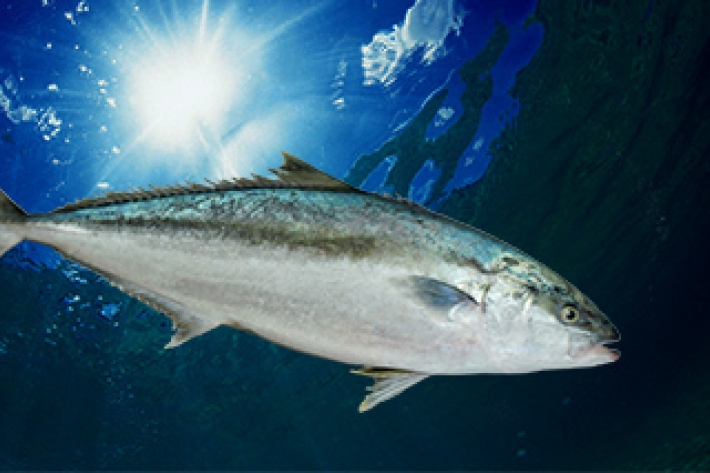
World-leading climate change research
News article23 February 2017Effects of climate change on fish are being studied at NIWA's Northland Marine Research Centre. -
Sustaining the sea
Feature story22 February 2017We examine how the Sustainable Seas National Science Challenge plans to enhance the use of marine resources within biological constraints. -
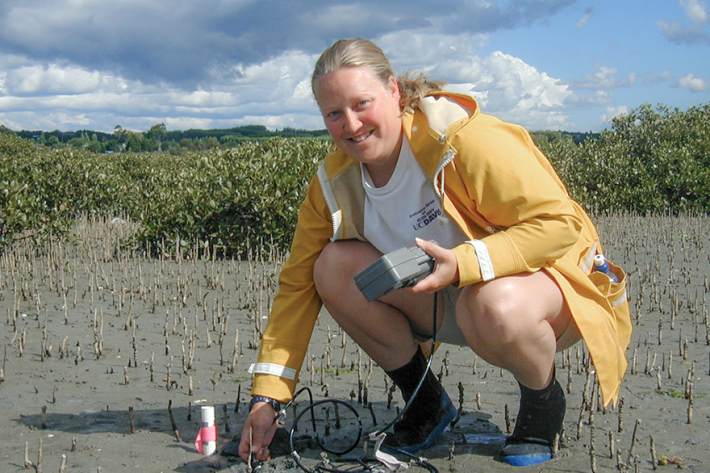
Muddy sinks
Feature story22 February 2017New Zealand’s mangrove swamps and coastal marshes may be particularly adept at absorbing and storing the carbon we emit. -
NIWA's Hotspot Watch for 17 February
Hotspot17 February 2017A weekly update describing soil moisture across the country to help assess whether severely to extremely dry conditions are occurring or imminent. -

Explaining New Zealand’s “unusual” growing glaciers
News article15 February 2017Newly published research shows regional climate variability caused an “unusual” period in which some of New Zealand’s glaciers grew bigger, while glaciers worldwide were shrinking. -
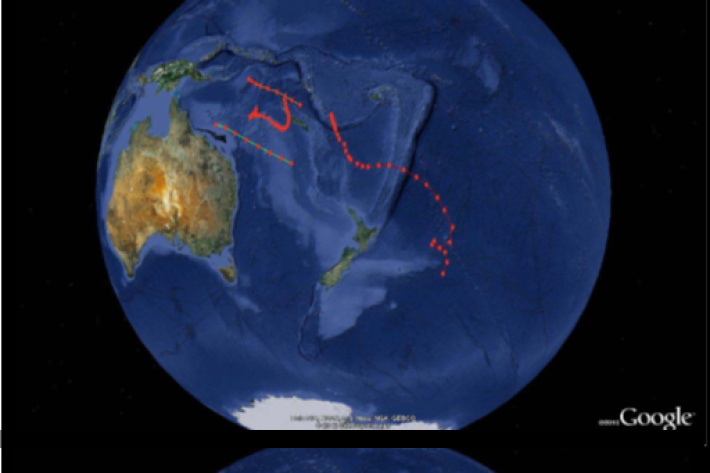
Southwest Pacific Tropical Cyclone Outlook update 10 February 2017
Media release10 February 2017Near average tropical cyclone numbers for the remainder of the season. -
Hotspot Watch for 9 February 2017
Hotspot09 February 2017A weekly update describing soil moisture across the country to help assess whether severely to extremely dry conditions are occurring or imminent. -
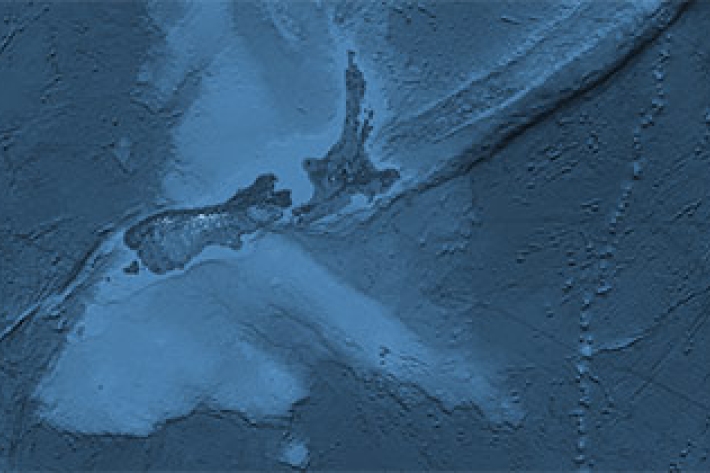
Important submarine canyon ecosystems at risk
News article03 February 2017A NIWA scientist is calling for greater protection of submarine canyons around New Zealand as their rich marine life comes under increasing threat from human activity. -
Hotspot Watch for 2 February 2017
Hotspot02 February 2017A weekly update describing soil moisture across the country to help assess whether severely to extremely dry conditions are occurring or imminent. Regions experiencing these soil moisture deficits are deemed “hotspots”. Persistent hotspot regions have the potential to develop into drought. -

A nod to Ngāmotu
Feature story31 January 2017Barb Hayden is never far from the sea. In fact, it’s been a constant in her life—a personal and professional passion. -

Summer just doing its thing, says NIWA
Media release27 January 2017Is the weather really better in February than January?