
-
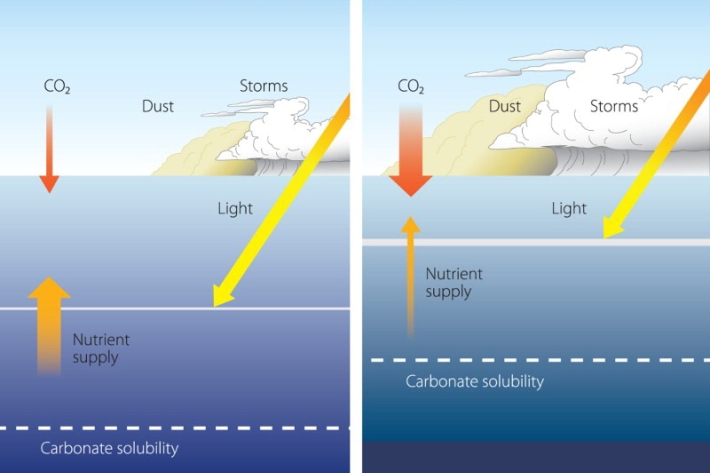
Warming ocean to alter ecosystems and affect fisheries by end of century, says NIWA scientists
Feature story05 December 2017Rapid warming of the ocean near Tasmania may provide a good indication of how the water around New Zealand will change as the planet warms, say NIWA scientists. -

‘Weather detectives’ saving historical records
Media release01 December 2017More than 50 “weather detectives” from 20 countries will be in Auckland next week to share their experiences saving snippets of meteorological history that will ultimately help scientists better understand the processes of climate variability and change. -

NIWA's Hotspot Watch for 30 November 2017
Hotspot30 November 2017A weekly update describing soil moisture across the country to help assess whether severely to extremely dry conditions are occurring or imminent. Regions experiencing these soil moisture deficits are deemed “hotspots”. Persistent hotspot regions have the potential to develop into drought. -
NIWA's Hotspot Watch for 23 November 2017
Hotspot23 November 2017A weekly update describing soil moisture across the country to help assess whether severely to extremely dry conditions are occurring or imminent. Regions experiencing these soil moisture deficits are deemed “hotspots”. Persistent hotspot regions have the potential to develop into drought. -
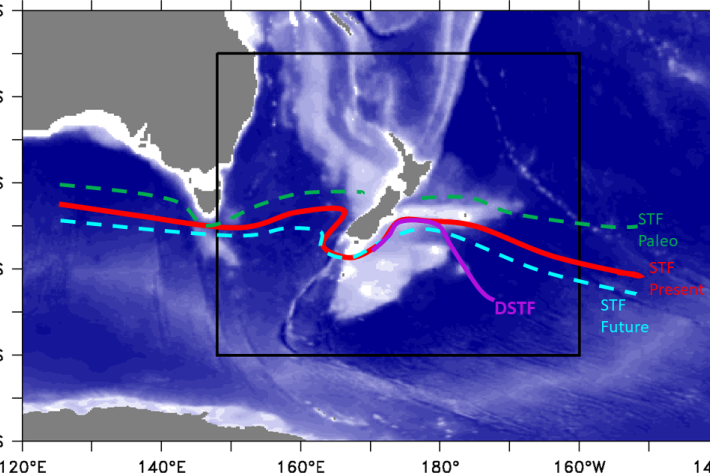
The Stormy Seas project
Research ProjectDoes climate change affect the position of the Subtropical Front around New Zealand? -
NIWA's Hotspot Watch for 16 November 2017
Hotspot16 November 2017A weekly update describing soil moisture across the country to help assess whether severely to extremely dry conditions are occurring or imminent. Regions experiencing these soil moisture deficits are deemed “hotspots”. Persistent hotspot regions have the potential to develop into drought. -

NIWA's Hotspot Watch for 9 November 2017
Hotspot09 November 2017A weekly update describing soil moisture across the country to help assess whether severely to extremely dry conditions are occurring or imminent. Regions experiencing these soil moisture deficits are deemed “hotspots”. Persistent hotspot regions have the potential to develop into drought. -

Winters much shorter than they once were, says NIWA
Media release08 November 2017New Zealand winters are a month shorter than they were 80 years ago, NIWA scientists say.“This is a consequence of rising temperatures around the globe, and such trends in colder temperatures and frosts will influence the life cycle of plants and animals” - Dr Brett Mullan. -
NIWA's Hotspot Watch for 2 November 2017
Hotspot02 November 2017A weekly update describing soil moisture across the country to help assess whether severely to extremely dry conditions are occurring or imminent. Regions experiencing these soil moisture deficits are deemed “hotspots”. Persistent hotspot regions have the potential to develop into drought. -
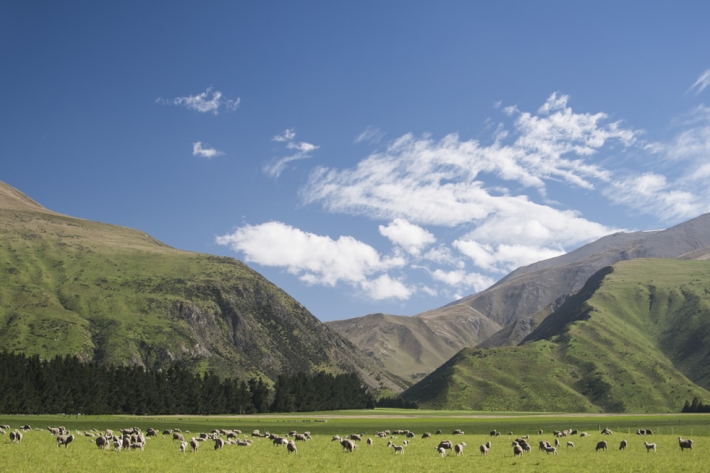
Extended warmth for South Island
Media release27 October 2017A large area of high pressure will take up residence east of New Zealand for the next few days, bringing more unusual springtime warmth to parts of the South Island from tomorrow through to late next week, says NIWA forecaster Seth Carrier. -
NIWA's Hotspot Watch for 26 October 2017
Hotspot26 October 2017A weekly update describing soil moisture across the country to help assess whether severely to extremely dry conditions are occurring or imminent. Across the North Island, soil moisture levels have generally not changed significantly during the past week, while across the South Island, soil moisture levels have generally decreased. -
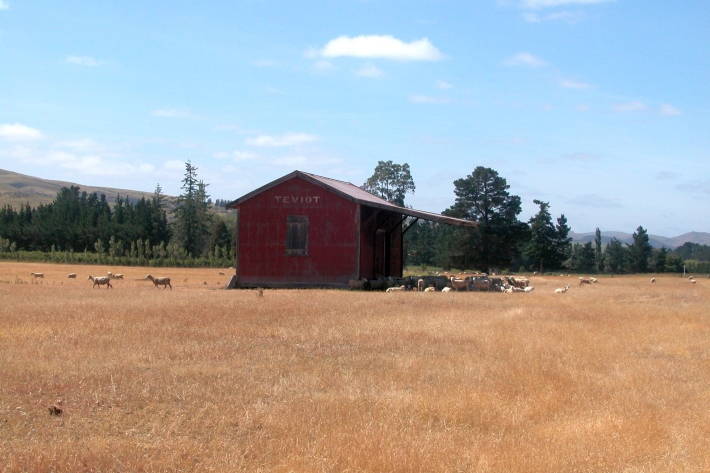
Southern spring sizzle sets records
Media release20 October 2017An immense dome of high pressure stretched across the Tasman Sea onto the South Island yesterday, bringing the highest temperatures across New Zealand since April.