-
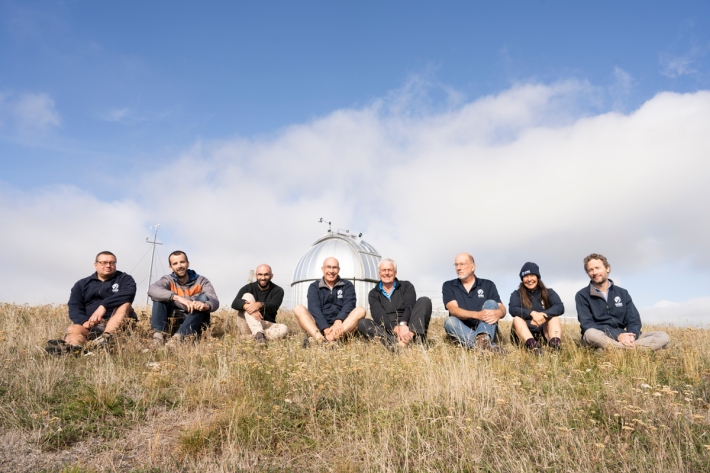
Happy diamond anniversary for some laudable work
Media release05 May 2021A Central Otago scientific research station with a globally revered reputation is marking its 60th anniversary. -
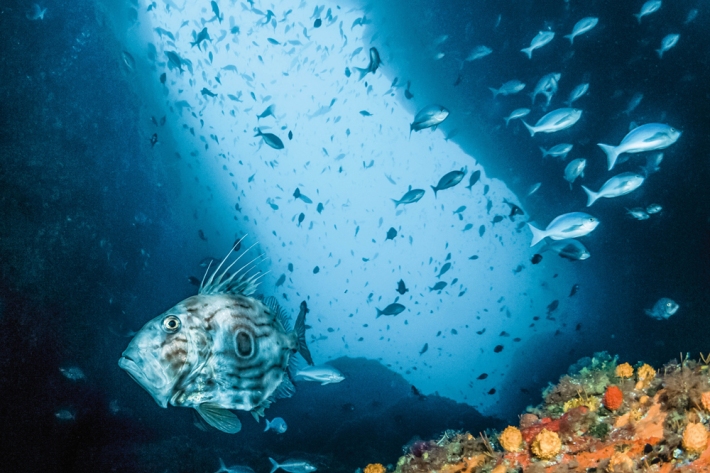
Marine reserves join ocean acidification network
Media release22 April 2021A joint NIWA and Department of Conservation (DOC) project is extending New Zealand’s ocean acidification monitoring network to include marine reserves. -

Scientists watching lake on South Island glacier survey
Media release10 March 2021Scientists undertaking the annual glacier snowline survey over the South Island later this month are keeping a watchful eye on a lake that has been forming and disappearing at the junction of the Tasman and Hochstetter glaciers. -
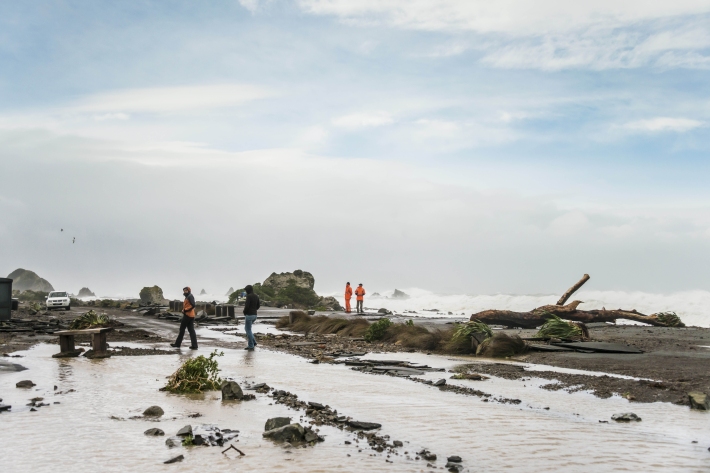
Climate changes, impacts and implications for New Zealand
Research ProjectThe Climate Changes, Impacts & Implications project ran from 2012 to 2016 and aimed to update and improve projections of climate trends, variability and extremes across New Zealand out to 2100. -
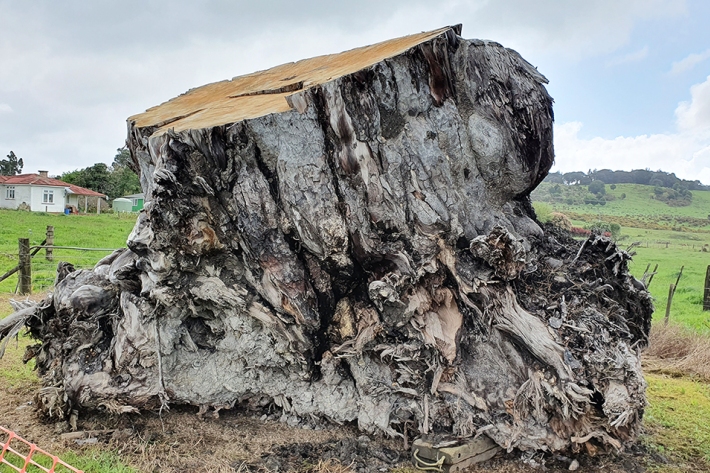
Ancient kauri trees reveal a turning point in Earth’s history 42,000 years ago
Media release19 February 2021A new international study using ancient swamp kauri from Northland shows a temporary breakdown of Earth’s magnetic field 42,000 years ago sparked major climate shifts leading to global environmental change and mass extinctions. -
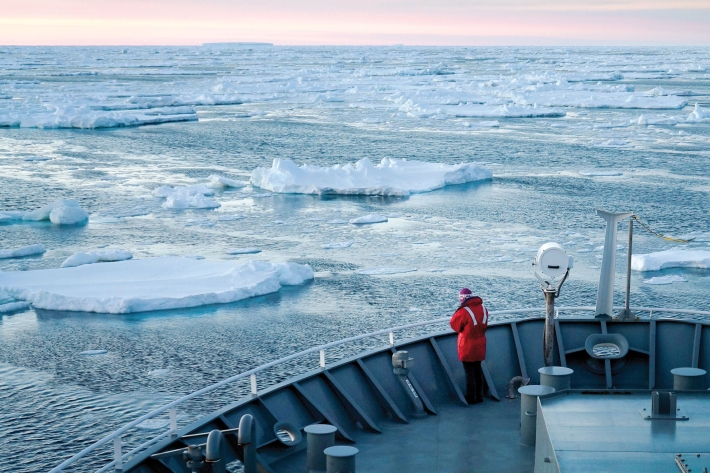
NIWA heads to Antarctica for critical climate, ocean research
Media release08 January 2021NIWA’s flagship research vessel Tangaroa leaves soon on a six-week voyage to Antarctica, making it one of the few full scientific expeditions to the continent since the global outbreak of COVID-19. -
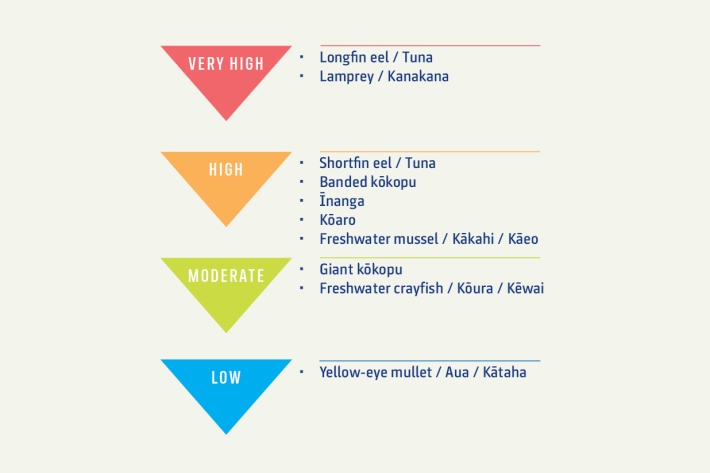
Freshwater species show vulnerability to climate change
Media release15 September 2020A new study has identified seven freshwater species native to Aotearoa-New Zealand that will likely be highly or very highly vulnerable to climate change. -
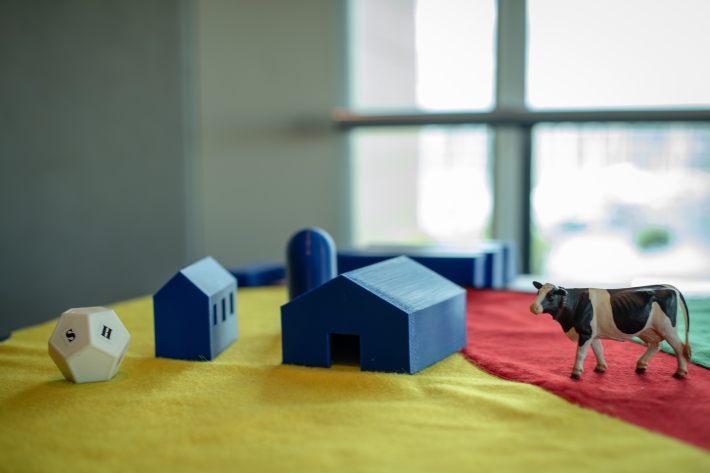
Serious games as a tool to engage people
ServiceNIWA is using serious games to look at problems holistically, support understanding and give a framework for adaptation decisions. -
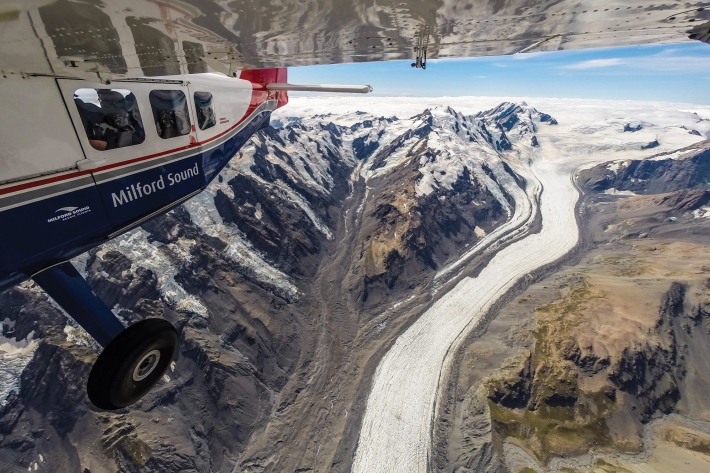
Lesson 13: Glaciers
Education ResourceGlaciers are beautiful to see and are a majestic, pristine part of our natural landscape. But what exactly is a glacier, and how do they work? -

Lesson 12: Computing the climate
Education ResourceWe can explore how the world may change due to climate change by creating climate models. -

Locked down, but breathing freely
Feature story28 July 2020Some of the most striking images of lockdown around the world have been the blue skies of cities ordinarily choking in smog. From New Delhi to Los Angeles, Beijing to Paris, the changes were so remarkable they were visible from space. -

Lesson 8: Climate and weather extremes
Education ResourceNew Zealand’s climate can be defined as ‘temperate’. However, every so often we experience extremes.