-

Scientists study how to predict marine heatwaves
Media release16 May 2019Scientists have taken a step closer to predicting marine heatwaves with new NIWA-led research finding a link between their formation and the length of time sea temperatures are warmer than normal.^. -

Emirates Team New Zealand seek NIWA’s technical edge
Media release14 May 2019Grant Dalton, CEO of Emirates Team New Zealand, and NIWA CEO John Morgan recently signed an agreement that will see NIWA’s scientists working closely with Emirates Team New Zealand over the next few years. -
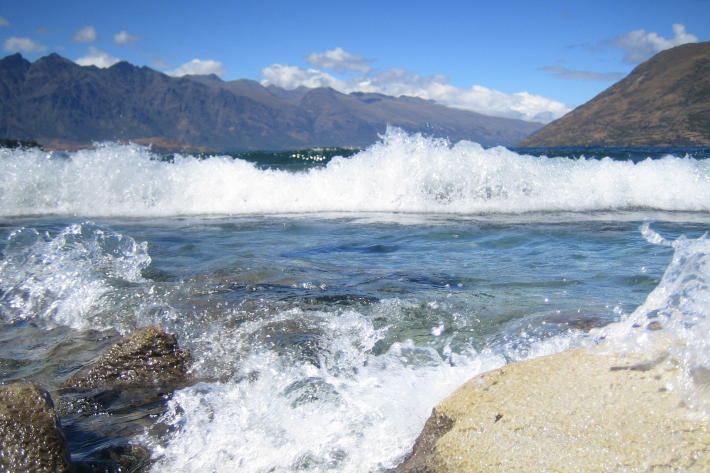
NIWA mapping Whakatipu lake floor
Media release08 May 2019NIWA researchers are out on Lake Whakatipu for the next week mapping the lake floor for the first time. -

Students, scientists, citizens study Arrowtown’s ailing air
Media release07 May 2019Arrowtown may be known for its picturesque autumn scenery, but in winter this tiny Central Otago town has a problem. -
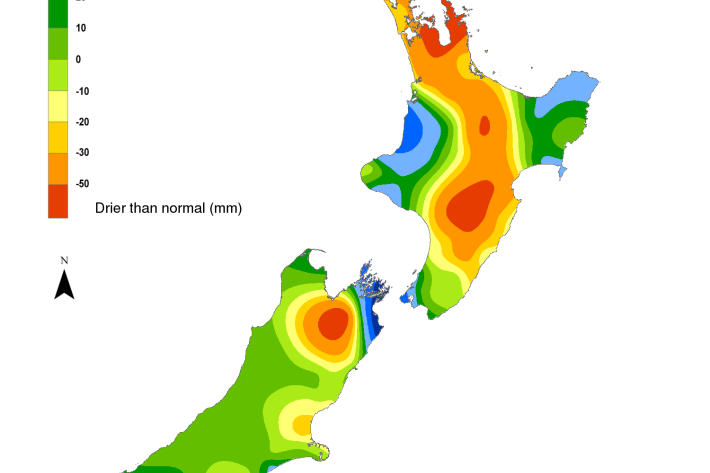
NIWA's Hotspot Watch for 1 May 2019
Hotspot02 May 2019Hotspots in the North Island are currently found in Aupouri Peninsula, interior Manawatu-Whanganui, and interior Hawke’s Bay. South Island hotspots are currently found in interior Marlborough, a small area near Christchurch, coastal southern Canterbury, and a portion of Stewart Island. -
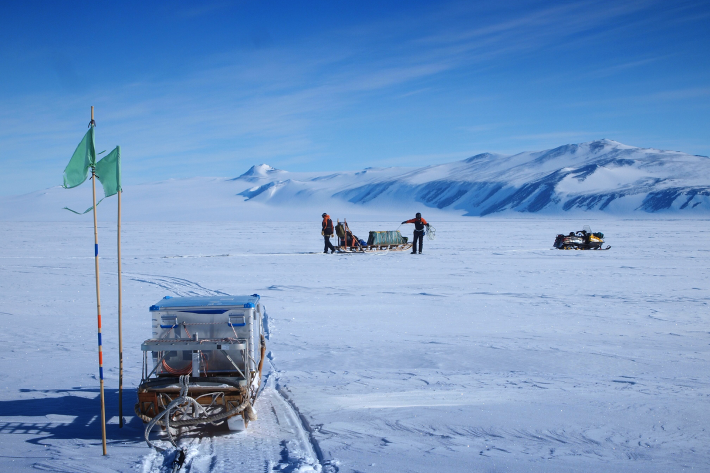
Scientists discover solar heat drives rapid melting of Ross Ice Shelf
Media release30 April 2019Part of the world’s largest ice shelf is melting 10 times faster than the overall average and solar-heated waters beneath the ice shelf are to blame, NIWA research has found. -

Environment report a clear picture of change: NIWA
Media release18 April 2019The latest state of the environment report released today provides New Zealanders with clear evidence that our climate, freshwater and marine systems are changing, says NIWA. -
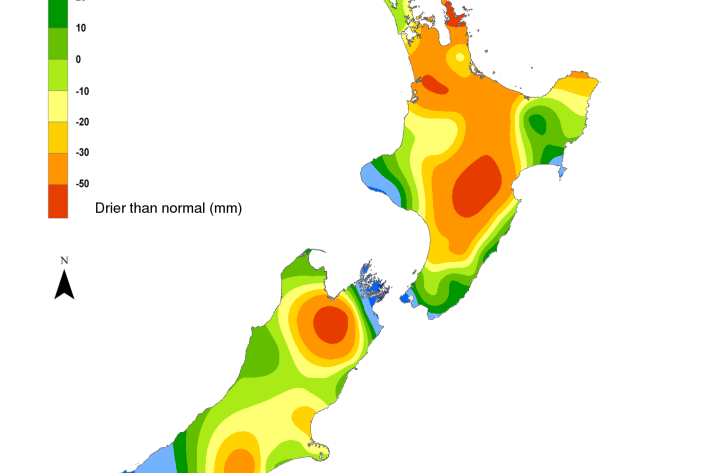
NIWA's Hotspot Watch for 17 April 2019
Hotspot17 April 2019Across the North Island, soil moisture levels generally changed little during the past week. In the South Island, increases were observed along most of the West Coast, interior Otago, and Marlborough Sounds, while decreases occurred in Stewart Island. -
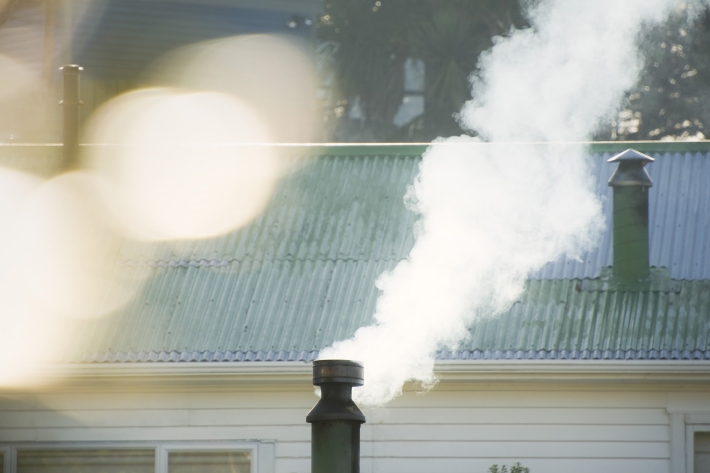
World Earth Day: Air quality and its effects on respiratory health
Media release15 April 2019A newly formed partnership between Asthma and Respiratory Foundation NZ and NIWA aims to provide the latest air quality research to over 700,000 people living with respiratory conditions in New Zealand. -
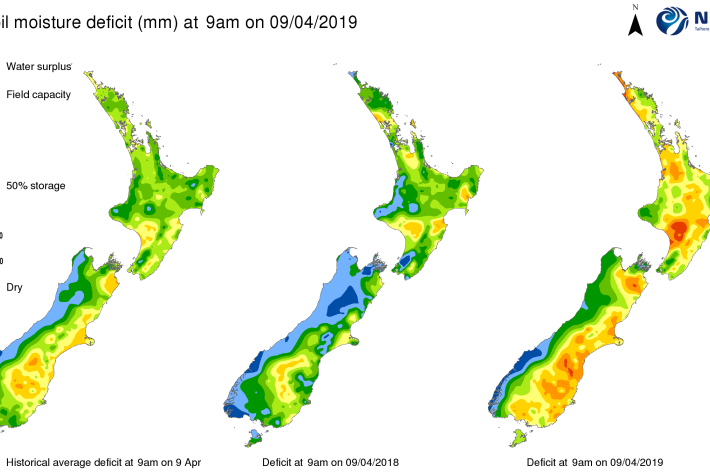
NIWA's Hotspot Watch for 10 April 2019
Hotspot10 April 2019Across the North Island, soil moisture levels decreased in big parts of the island during the past week due to meagre rainfall. In the South Island, soil moisture decreases were observed across much of the island. -
Individual instructions
Instructions for using Nalgene Storm Water Sampler bottles and DGTs.