
-

Tuna - glass eels
Glass eels (about 5.5 to 7.0 cm) arrive in fresh water during spring, especially during September and October, although they may be present from July to December. -
Mean daily maximum temperatures (°C)
These datasets are available in a range of formats. -
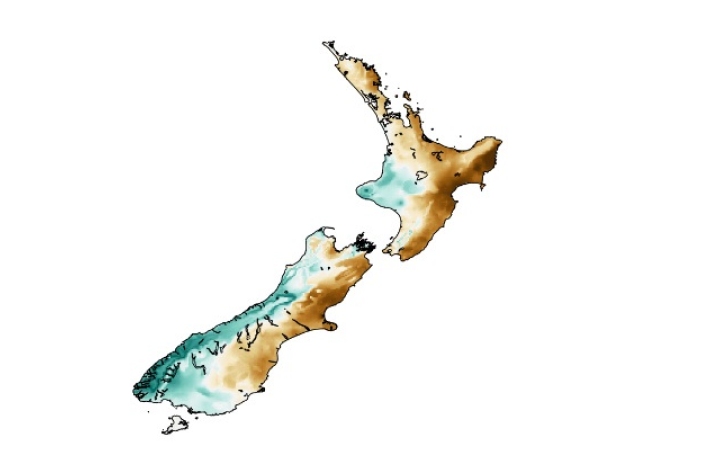
El Niño maps and charts
View a collection of maps showing the impact of past El Niño and La Niña events. -
Map E South
Education ResourceThe climate of this zone is greatly dependent on the lie of the massive Southern Alps to the west. -
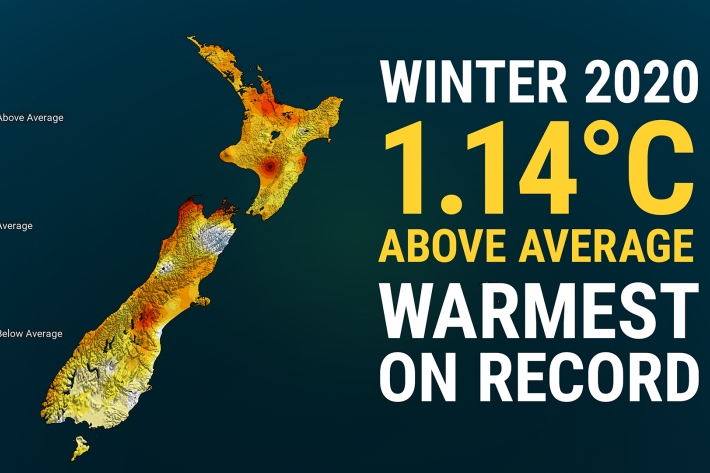
Winter 2020 – NZ’s warmest winter on record
Media release06 June 2017New Zealand has just experienced its warmest winter on record, according to official NIWA climate data. -
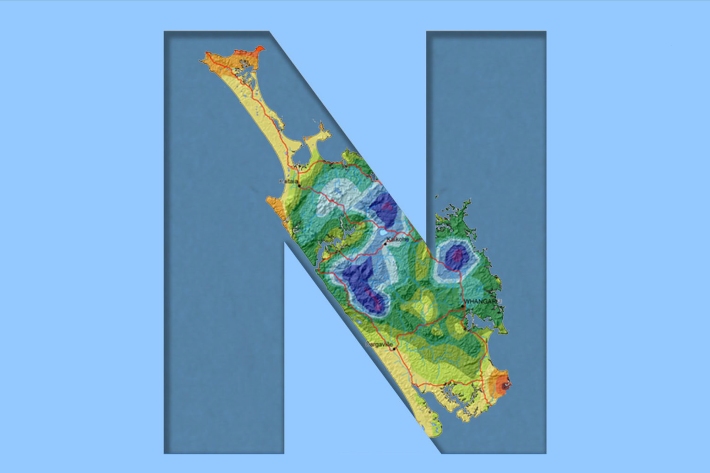
Northland
Northland, with its northern location, low elevation and close proximity to the sea is characterised by a mild, humid, and rather windy climate. -
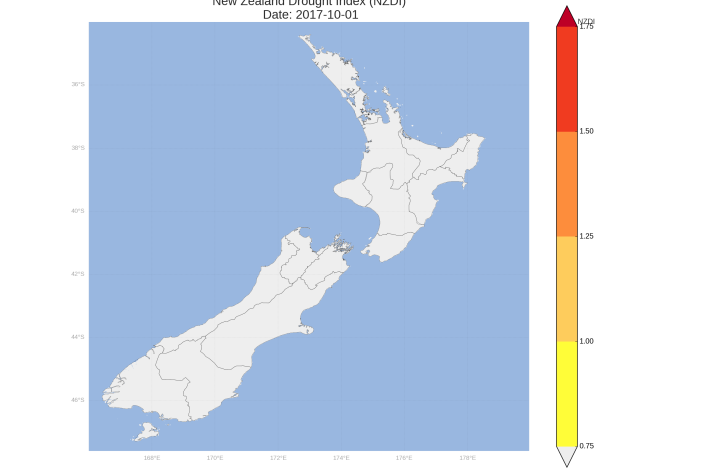
New Zealand Drought Monitor
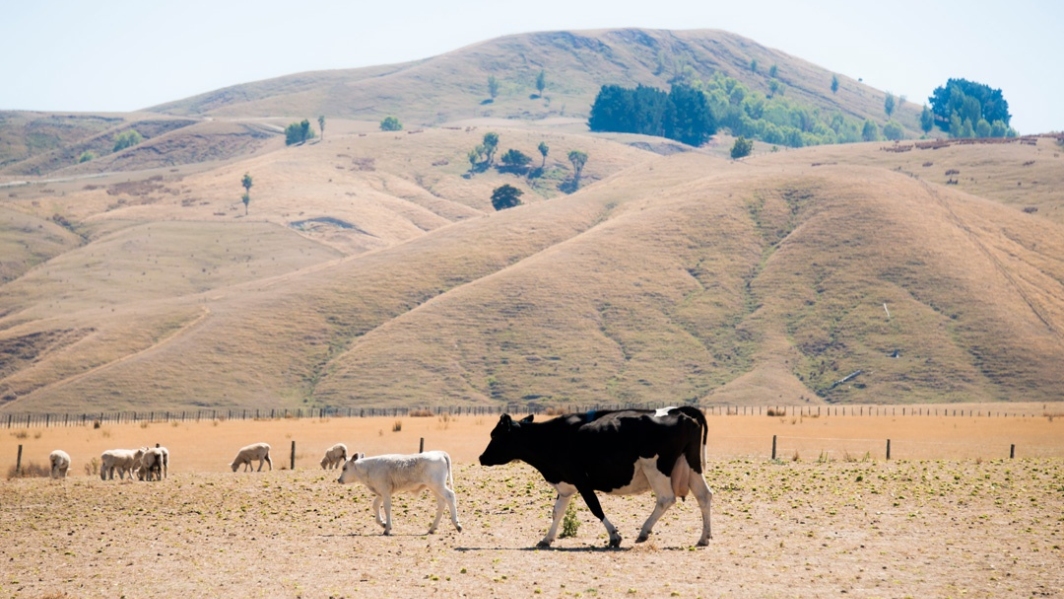
ServiceThe New Zealand Drought Monitor is a system for keeping track of drought conditions across New Zealand based on a standardised climate index. -
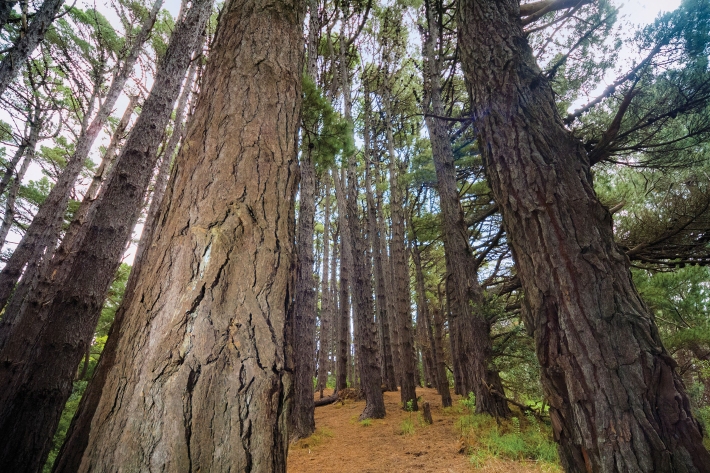
Native forests absorbing more carbon dioxide
Media release06 June 2017New Zealand’s forests and other land areas may be absorbing up to 60% more carbon dioxide than has been calculated, with much of this uptake likely occurring in native forests, NIWA scientists have discovered. -
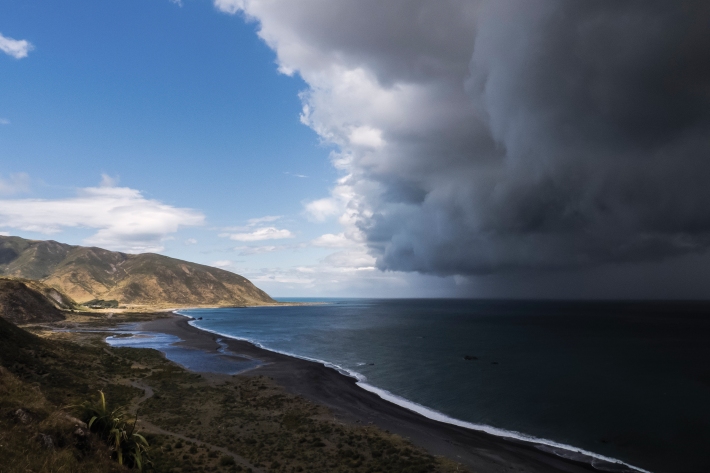
Daily climate maps
These climate maps are updated daily and are based on data from our National Climate Database.