
-
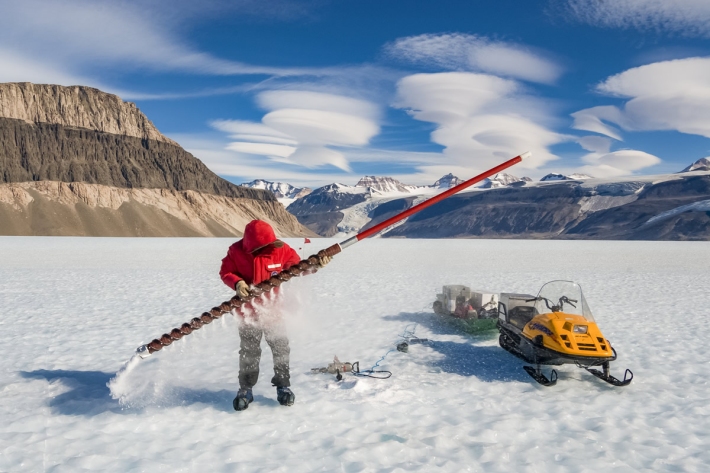
Tiny air bubbles reveal new information about greenhouse gas emissions
Media release24 August 2017Sitting at the surface of Taylor Glacier in Antarctica, are layers of ice more than 10,000 years old. And trapped inside those layers are bubbles of ancient air – like tiny time capsules - able to tell scientists a story about what the world used to be like and how humans have changed it. -
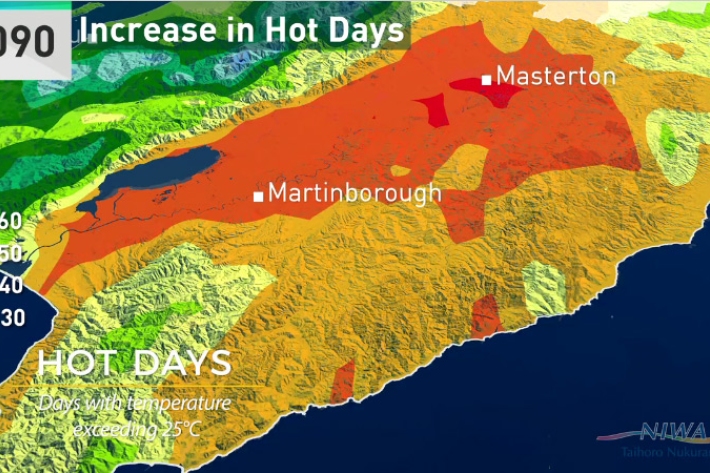
Wellington will get significantly warmer, new climate change report shows
Media release07 August 2017Wellington city will have warmer autumns, almost a month of days over 25°C and up to 10 per cent more winter rain by 2090, according to a new NIWA climate report. -
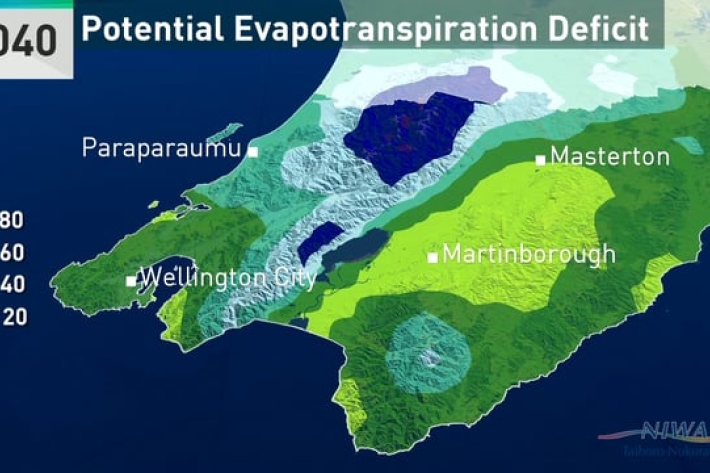
Climate change and variability - report for the Greater Wellington Region
-
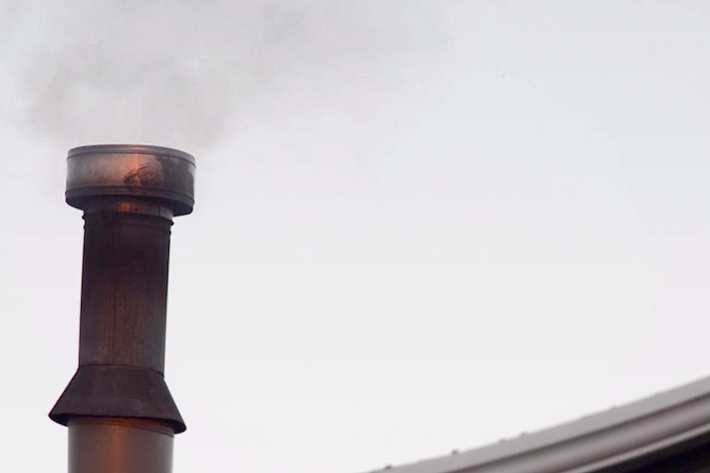
Climate change will cause more deaths from air pollution, study finds
Media release01 August 2017New research estimates that if climate change goes unchecked 60,000 more people will die globally from air pollution in 2030 – just 13 years away. -
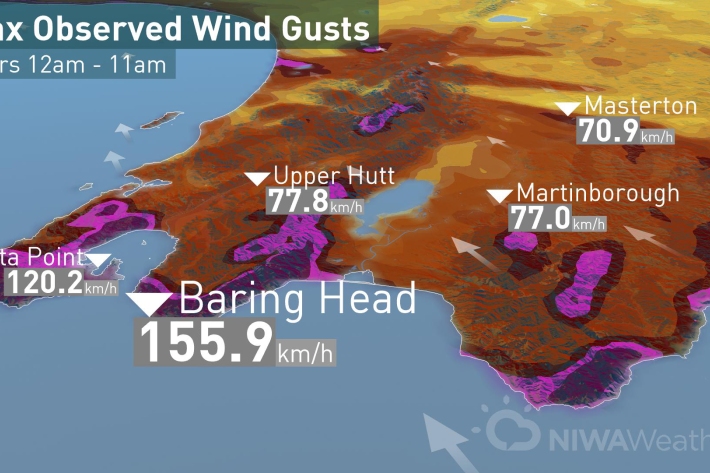
So far, so stormy
Media release13 July 2017Today’s low came spinning off the coast of Hawke’s Bay funneling strong winds through the Cook Strait and hitting Wellington region with strong winds before moving on to Taranaki and Auckland this afternoon. -

Map E South
Education ResourceThe climate of this zone is greatly dependent on the lie of the massive Southern Alps to the west. -
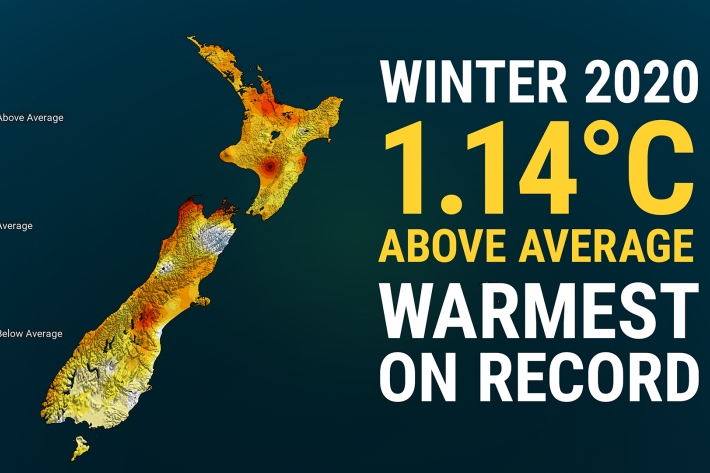
Winter 2020 – NZ’s warmest winter on record
Media release06 June 2017New Zealand has just experienced its warmest winter on record, according to official NIWA climate data. -
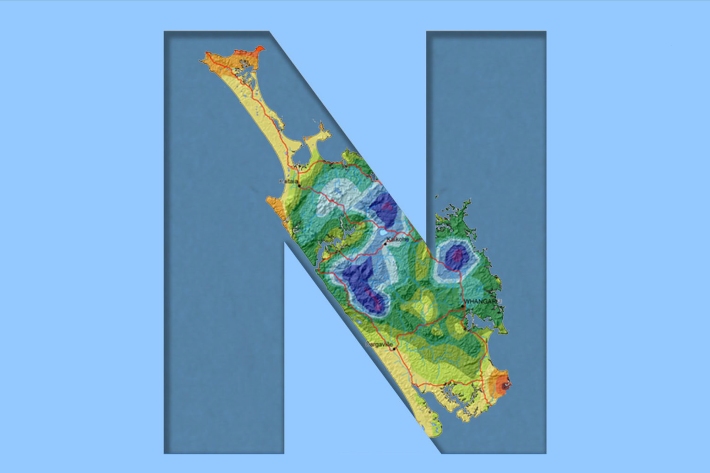
Northland
Northland, with its northern location, low elevation and close proximity to the sea is characterised by a mild, humid, and rather windy climate. -
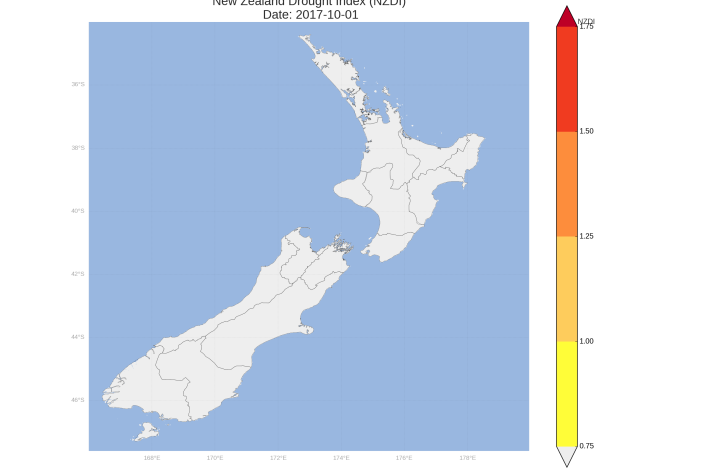
New Zealand Drought Monitor
ServiceThe New Zealand Drought Monitor is a system for keeping track of drought conditions across New Zealand based on a standardised climate index. -
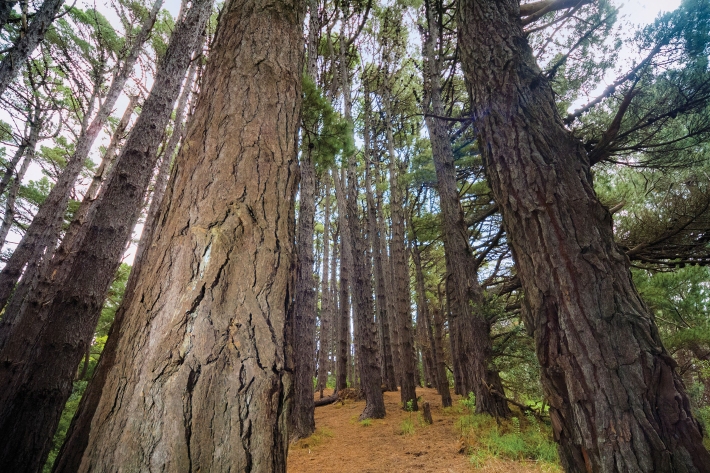
Native forests absorbing more carbon dioxide
Media release06 June 2017New Zealand’s forests and other land areas may be absorbing up to 60% more carbon dioxide than has been calculated, with much of this uptake likely occurring in native forests, NIWA scientists have discovered. -
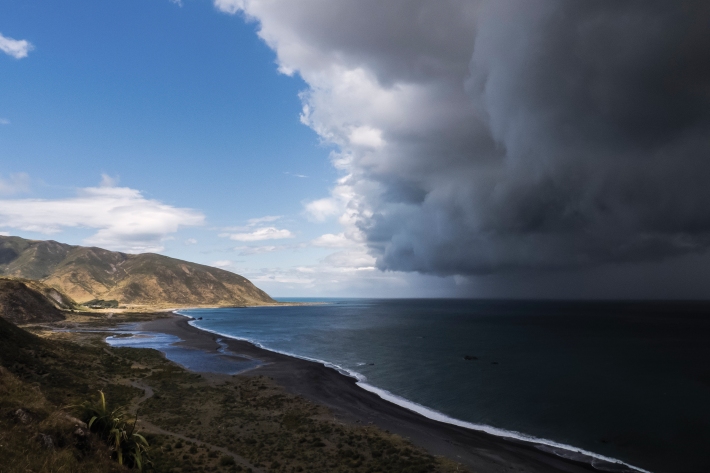
Daily climate maps
These climate maps are updated daily and are based on data from our National Climate Database. -
Mean daily maximum temperatures (°C)
These datasets are available in a range of formats.