
-
UVI forecast for Specific Sites
Check out UV index forecasts for locations in New Zealand (including ski fields), Australia, the Pacific and Antarctica. -

Map N South
Education ResourceAs much of this climate zone is sheltered by high country to the west, south and in some areas to the east, it is the sunniest region of New Zealand. -

Climate change scenarios for New Zealand
Research ProjectProjections of how climate change is likely to affect New Zealand. -
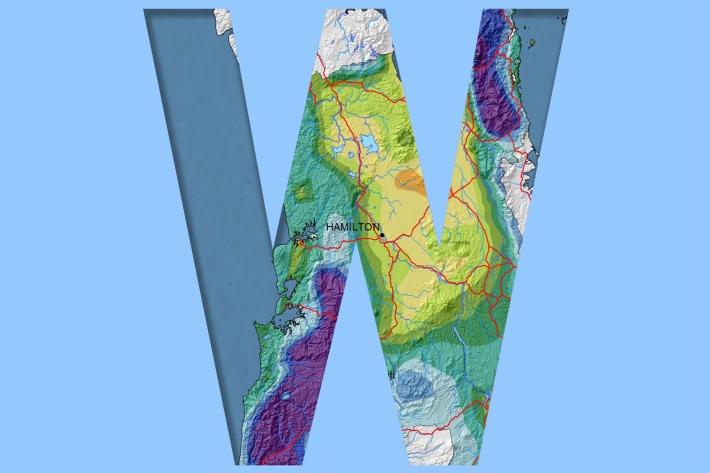
Waikato
Waikato exhibits a range of climates due to the variety of landscapes in the region. -
Mean daily minimum temperatures (°C)
These datasets are available in a range of formats. -
Map North
Education ResourceThis is a sub-tropical climate zone, with warm humid summers and mild winters. -

Lesson 2: Wind
Education ResourceSometimes wind can feel like a bit of a mystery because we can feel it, but not see it. -
Climate mapping
Read about how NIWA can map any aspect of climate to help guide your organisation's response to a changing and variable climate. -
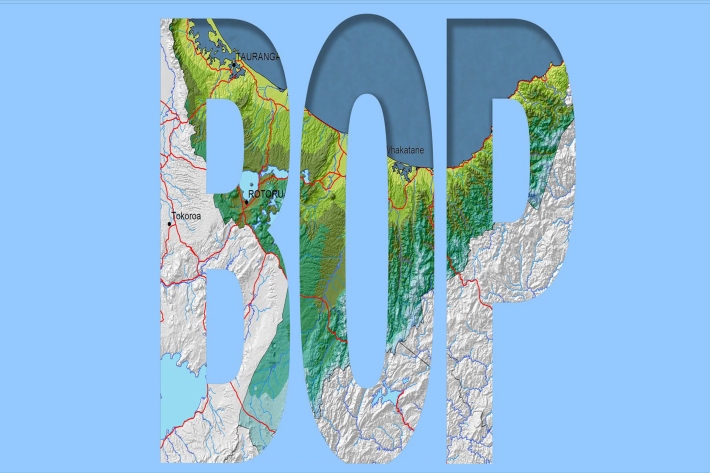
Bay of Plenty
The topography of the North Island has a profound effect on the weather of the Bay of Plenty region. -
Using trigonometric functions to model climate
Education ResourceYour task is to create a model of the data to predict the times during the year that a location would be pleasant to visit