-
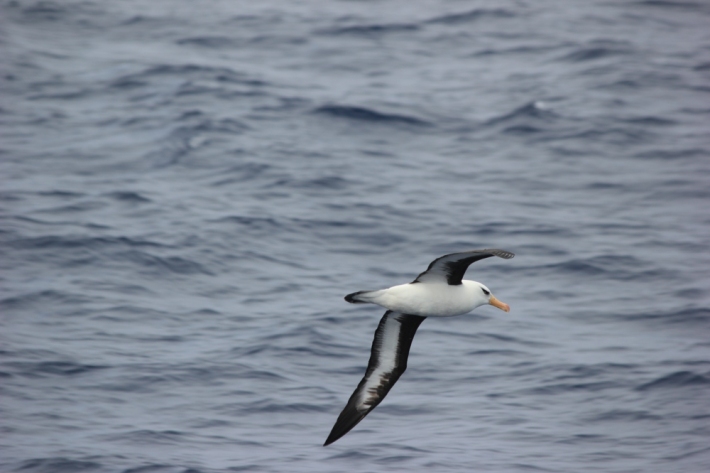
BLOG: Sir Peter Blake Trust Ambassador Zac Penman - acclimatising to life at sea
Blog02 February 2015It’s day three at sea and things are all humming along nicely. We’ve just passed 50 degrees south and any faint sighting of the mainland is long gone. The next time we will see land will probably be the Balleny Islands in a couple of days. -

NIWA's Hotspot Watch
Hotspot30 January 2015Weekly update to help media assess likelihood of extremely dry weather preceding a drought. Regions experiencing severely to extremely drier than normal soil conditions are deemed “hotspots”. -
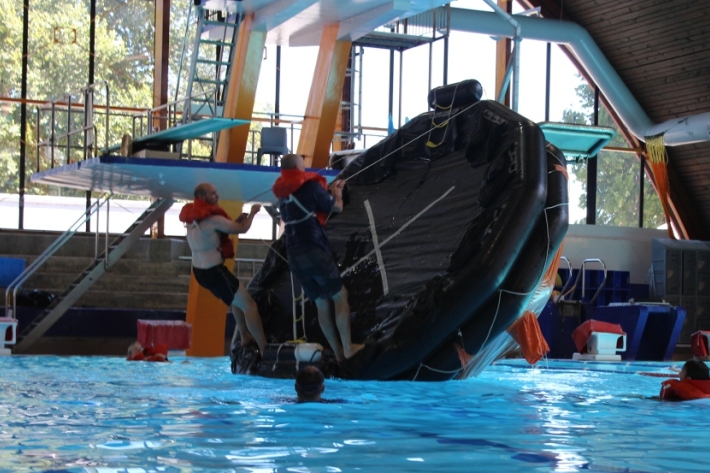
BLOG: Sir Peter Blake Trust Ambassador Blake Hornblow - the adventure begins
Blog30 January 2015Our 42 day adventure to Antarctica aboard NIWA’s RV Tangaroa is just beginning! My name is Blake Hornblow and I am a 2014 Blake NIWA Science Ambassador. -
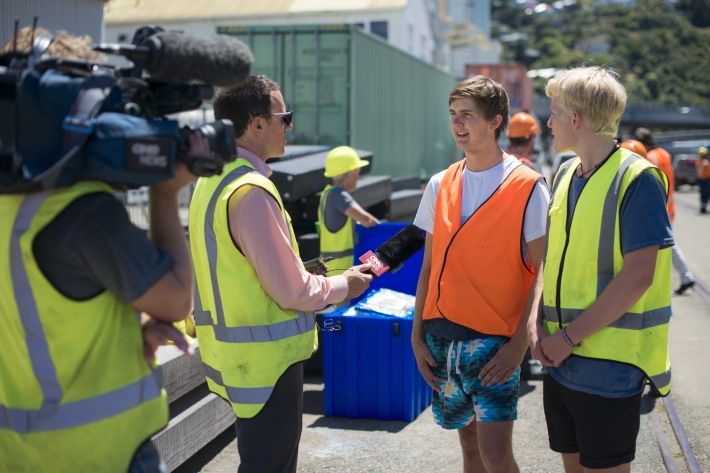
BLOG: Sir Peter Blake Trust Ambassador Zac Penman - incredible opportunity
Blog30 January 2015Being selected as one of the two 2014 Blake NIWA Science ambassadors is the most incredible opportunity ever. I still remember the phone call at uni late into second semester last year. -
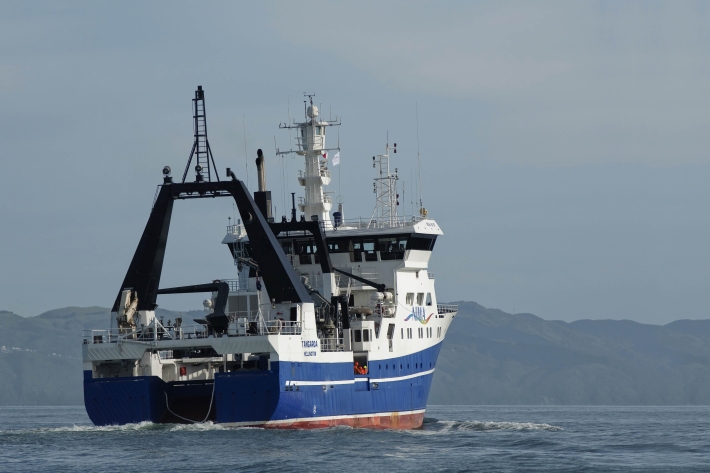
Time-lapse footage of RV Tangaroa departing for Antarctica
News article30 January 2015NIWA photographer, Dave Allen, has captured this time-lapse footage of RV Tangaroa departing Wellington yesterday morning. -
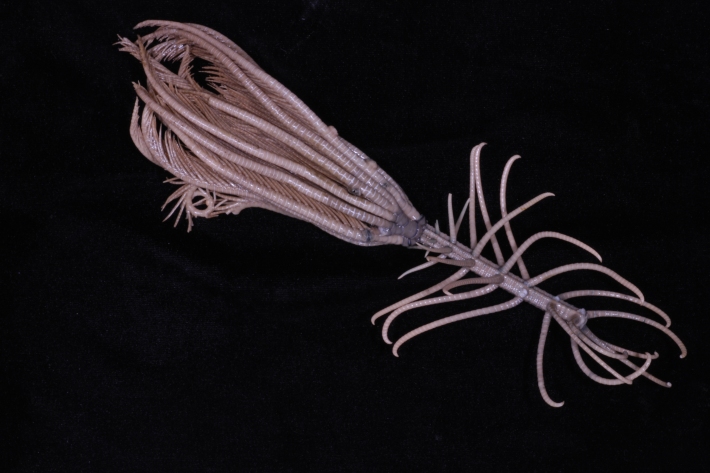
Critter of the Week - the beautiful stalked crinoids – Isocrinidae
If you are a fan of crinoids (and who isn’t) you might enjoy this short documentary (27mins), Living Fossils, which features our friend Charles Messing from Nova Southeastern University. -

Interactive feature on Antarctic voyage
Media release28 January 2015New Zealand’s news website Stuff.co.nz has created a stunning interactive feature profiling the New Zealand-Australia Antarctic Ecosystems Voyage 2015. -
Scientists voyage to Antarctica for whale research
News article27 January 2015National Institute of Water and Atmospheric Research (NIWA), Antarctica New Zealand and the Australian Antarctic Division are undertaking a six-week research initiative in the Southern Ocean on areas of importance to humpback and blue whales and Antarctic toothfish. -
NIWA's Hotspot Watch
Hotspot23 January 2015Weekly update to help media assess likelihood of extremely dry weather preceding a drought. Regions experiencing severely to extremely drier than normal soils conditions are deemed “hotspots”. -
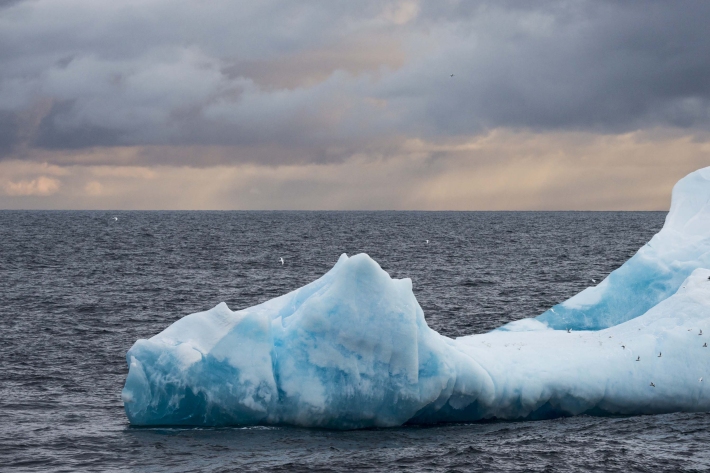
Image gallery
A selection of images relating to the New Zealand-Australia Antarctic Ecosystems Voyage. We will be adding images from the voyage as they are sent back from the vessel. -
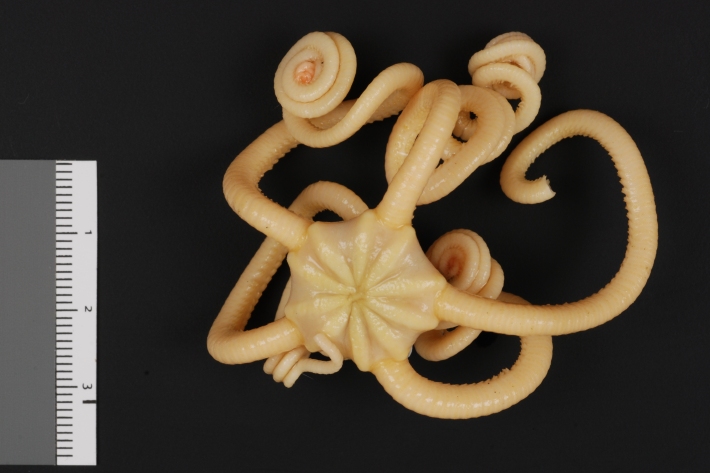
Critter of the Week: the predatory snake star, Astrotoma agassizii
Astrotoma agassizii is commonly found in the Ross Sea at the Balleny Islands, Victoria Land and Terra Nova Bay. -
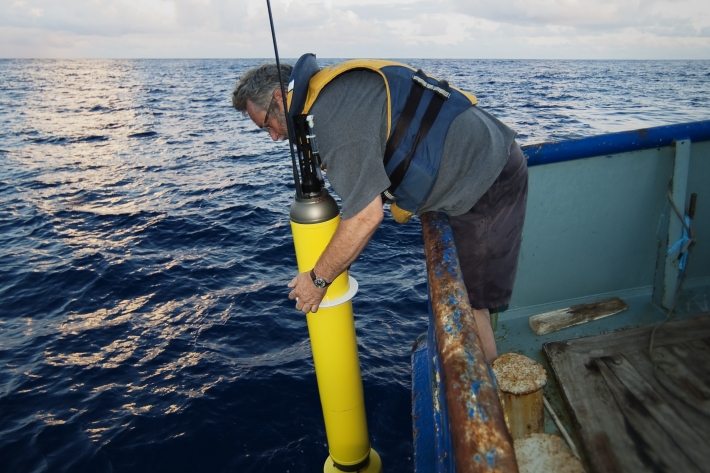
Partners and funding
Read about our key partnerships and funding for this voyage.