-
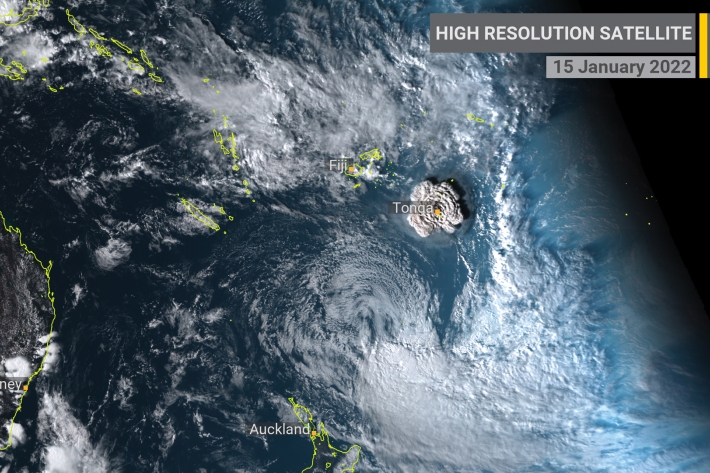
Tracking an eruption
Feature story30 May 2022Stacy Mohan looks at how the shockwaves from a remote Tongan island rippled through NIWA’s research community. -
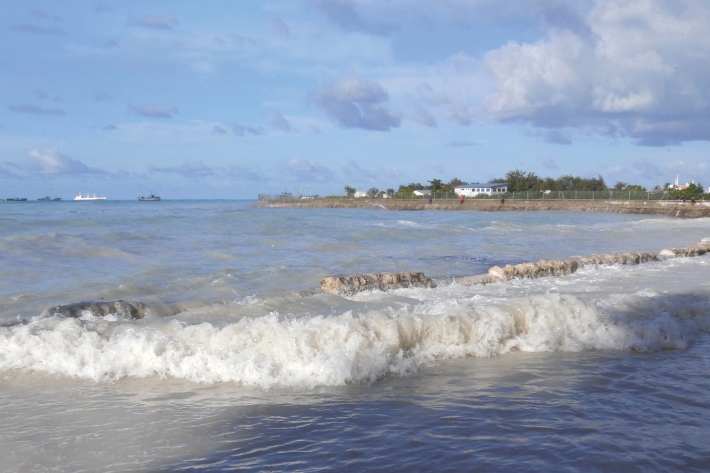
Pacific Risk Tool for Resilience, Phase 2 (PARTneR-2)
Research ProjectThe three-year PARTneR–2 project aims to help countries in the Pacific become more resilient to the impacts of climate-related hazards. -
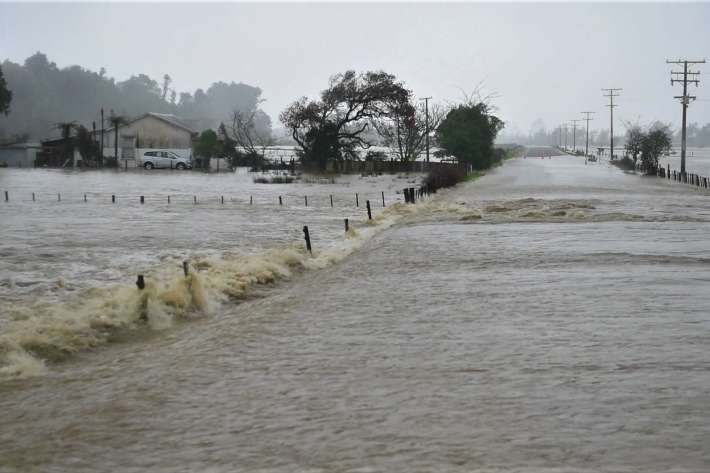
Public asked to help build national flood photo database
Media release15 February 2022NIWA is asking people in flood-affected areas to contribute photos to a national database to support understanding of flood hazard and flood risk. -
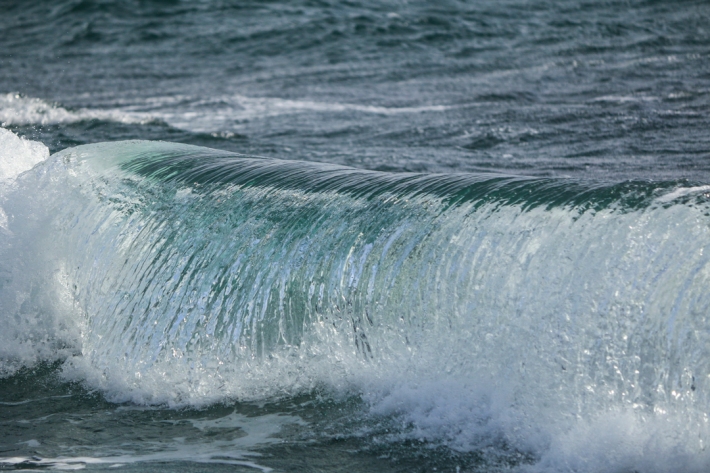
Coastal flooding likely to be main driver for adaptation
Media release12 October 2021New NIWA-led research shows increasing flood risk is going to be what leads people to make changes to adapt to sea-level rise. -
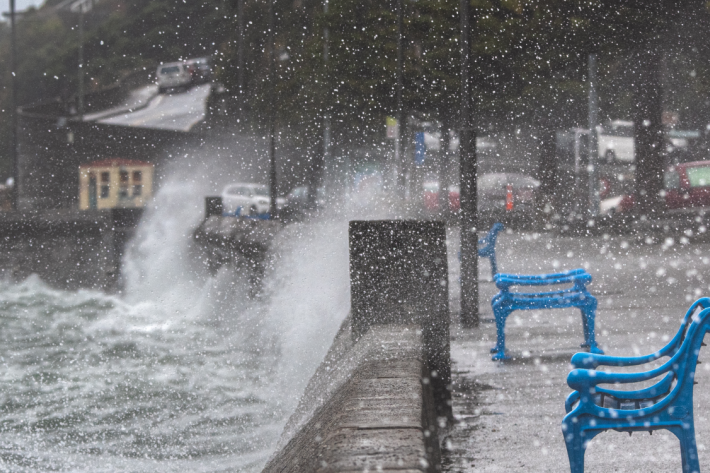
Storm surge and wave forecasting
ServiceWe combine capabilities in weather, wave, storm surge and tide forecasting with tide gauge observations. -
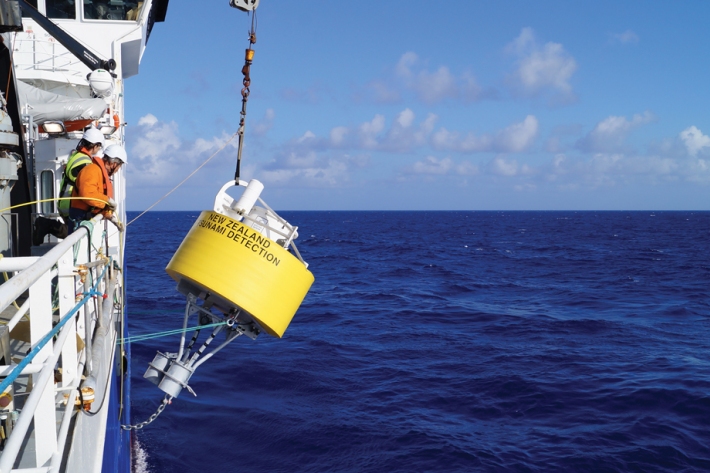
A job for the buoys
Feature story11 February 2021New Zealanders and Pacific Island communities are on their way to having the most advanced tsunami monitoring system in the world. -
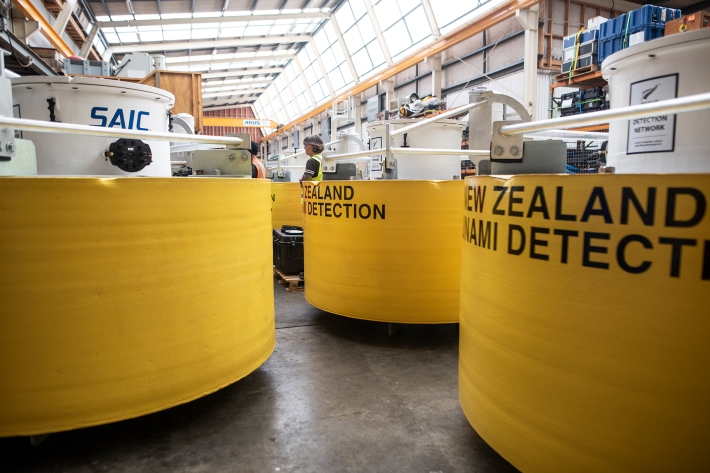
New tsunami monitoring system for Pacific
Feature story22 September 2020A network of state-of-the-art tsunami buoys is being deployed from New Zealand up into the Pacific to keep communities safer. -
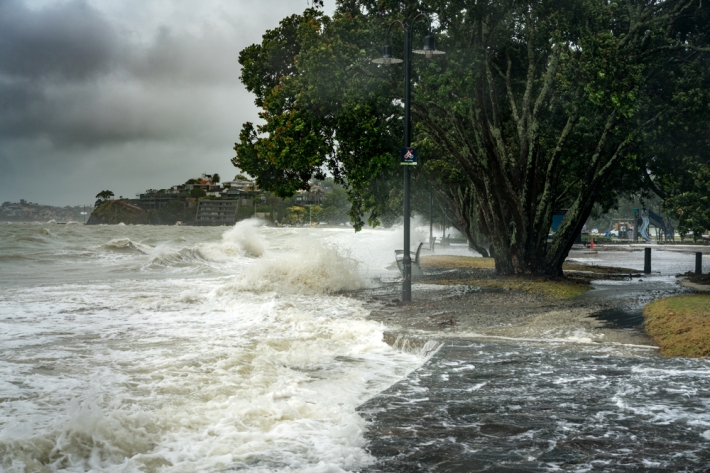
Tsunami evacuation zones home to 1 in 10 New Zealanders
Media release19 August 2020NIWA scientists have completed the first national assessment of people and buildings at risk in New Zealand’s tsunami evacuation zones. -

Small sea-level rises to drive more intense flooding, say scientists
Media release14 April 2020A little can mean a lot – especially when it comes to the relationship between sea level rise and coastal flooding. -

Adaptive futures: a serious game for climate change adaptation
Research ProjectNIWA is using serious games to look at problems holistically and provide a framework for climate change adaptation decision-making. -
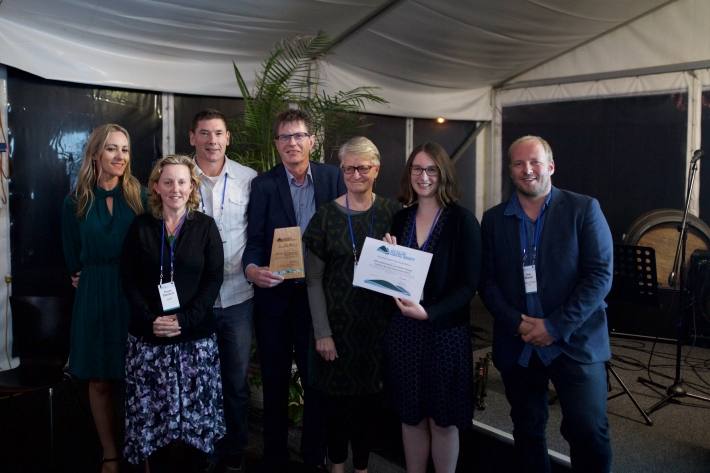
NIWA joint winner of 2018 Terry Healy Coastal Project Award
Media release27 November 2018A trio of lead authors from NIWA has been named alongside the Ministry for the Environment and others as joint winner of the 2018 Terry Healy Coastal Project Award. -
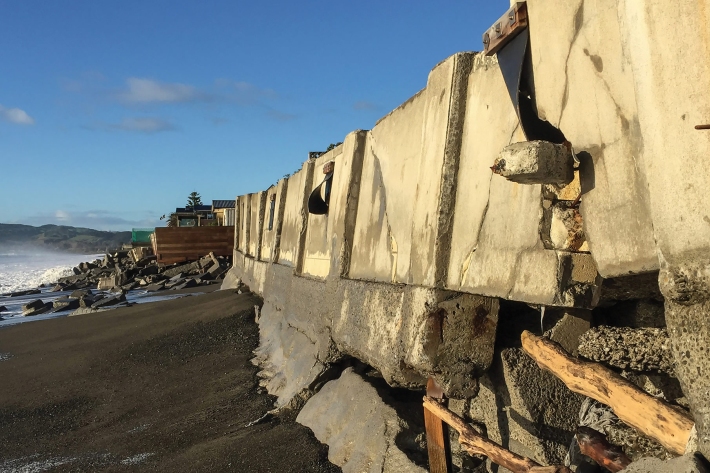
A say on the sea shore
Feature story16 October 2018Coastal communities around New Zealand are getting a say on how to respond to sea-level rise, and NIWA is helping them.