-
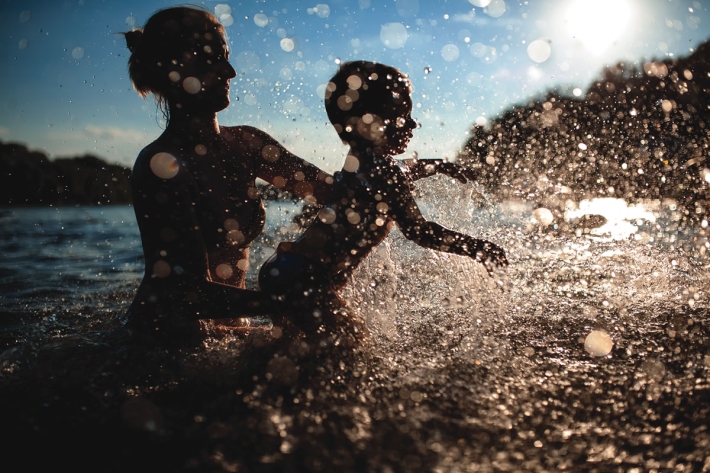
Raising the bar for swimmable rivers
Feature story20 June 2017The government has released the ‘Clean Water’ package of proposed reforms, aimed at making more of our rivers swimmable. But how is ‘swimmable’ to be measured, and do these measures stack up? -

Dairy turns the corner
Feature story11 June 2017NIWA's Freshwater and Estuaries Chief Scientist Dr John Quinn believes the dairy industry has been responsive in the tools it has adopted to reduce its impact on waterways. -

Toitoi
One of the most common species of freshwater fish in Aotearoa is the common bully or toitoi. -
Water clarity
Water clarity or turbidity is the cloudiness or haziness in a fluid caused by individual small particles (suspended solids). -
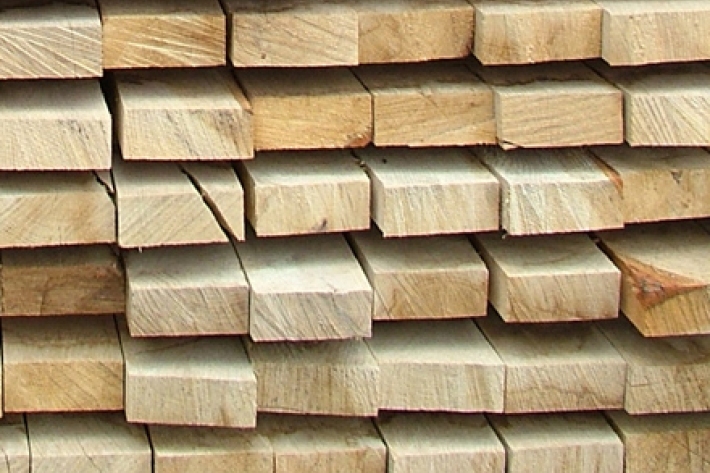
Wood processing
Trees are grown and converted into a range of useful timber and paper products. -
Dry stock
Dry stock farming consists predominantly of pasture grazing beef cattle, sheep, and deer for meat, wool, and velvet production. -
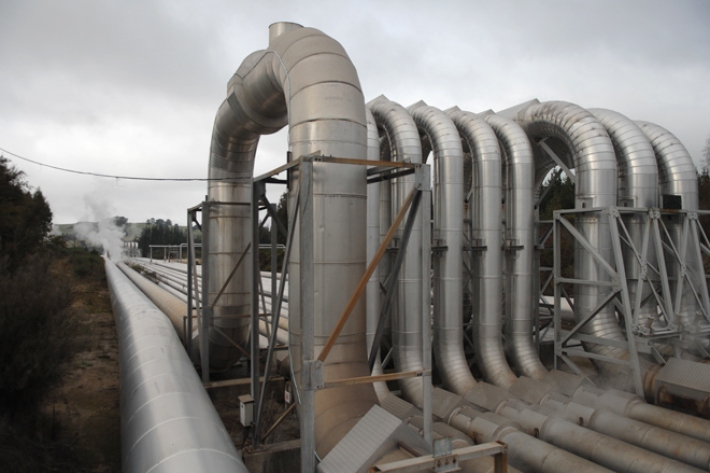
What is the proposed activity or industry?
Various industries and land use activities have the potential to impact on water quality and mahinga kai unless properly managed. -
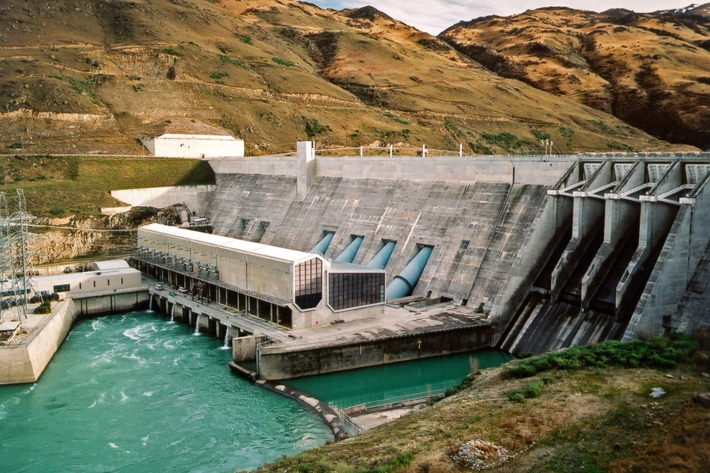
Water dams
Damming water for urban use, hydro-electric power generation, irrigation, and other industrial and commercial uses. -
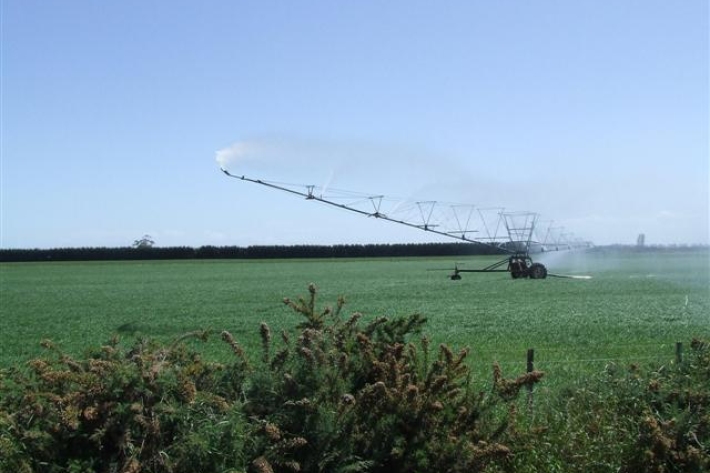
Water abstraction and agriculture
How do agricultural activities potentially influence water flows? -
Mitigation and best practice options
Some simple steps to minimise the effects of aquaculture activities on water quality and mahinga kai. -
Tuna
Tuna or freshwater eels are a very significant, widely-valued, heavily-exploited, culturally iconic mahinga kai resource.